
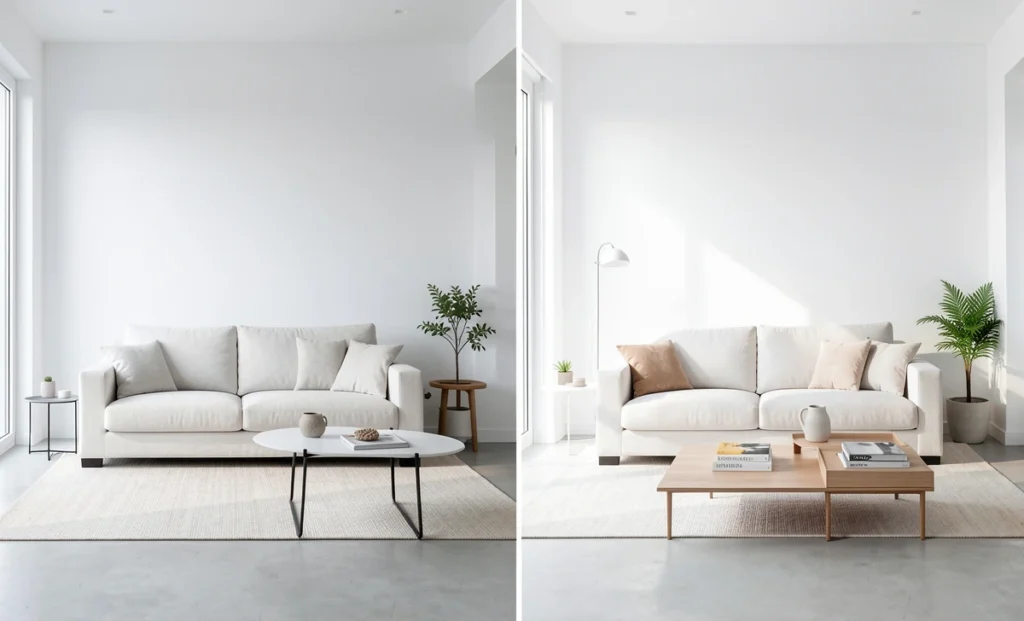
A $2.4 million listing sat on a Florida luxury market for 94 days — white walls, clean lines, nothing offensive. It sold for 6% below ask. Three doors down, a comparable property spent $165,000 on a targeted maximalist renovation and sold in 11 days at full price. The only meaningful difference: one home whispered, and one made buyers stop breathing for a moment when they walked through the door.
That gap is not accidental. According to the National Association of Realtors’ 2024 Remodeling Impact Report, strategic pre-sale renovations in the luxury segment regularly return more than their cost in final sale price — but only when the right projects are selected and executed with precision. The market has shifted. Today’s high-net-worth buyer is not shopping for a neutral canvas. They want a home with a point of view.
The challenge for sellers is translating that insight into action without an open-ended timeline that delays the listing and bleeds capital. This guide solves that with a precise, four-phase 90-day plan. You will learn which renovations return the most value in the current luxury market, how to allocate your budget across four strategic categories, and how to execute every phase with the discipline of a professional project.
Is Your Home a Candidate for This Strategy?
Not every property benefits from a full maximalist renovation. Before committing budget and time, answer three questions with your luxury-specialized real estate agent:
- Does your local luxury market reward renovated properties with a premium? In high-velocity markets like Miami, Dallas, and Austin, pre-sale renovation consistently compresses days on market and increases offers. In slower markets, overcapitalizing is a real risk. Your agent’s Comparative Market Analysis (CMA) is the definitive source here — not general advice.
- Is the home priced in a tier where buyers expect move-in condition? At $1 million and above, buyers are rarely looking for a project. Below that threshold, the calculation changes depending on your market.
- Can you execute the full plan within 90 days without requiring the home as your primary residence? This strategy works best in vacant or staged-vacant properties. Attempting it while living in the home significantly complicates the timeline.
If the answer to all three is yes, proceed. If you are unsure about any point, consult a licensed professional before committing to the investment.
Your 90-Day Maximalist Makeover: At a Glance
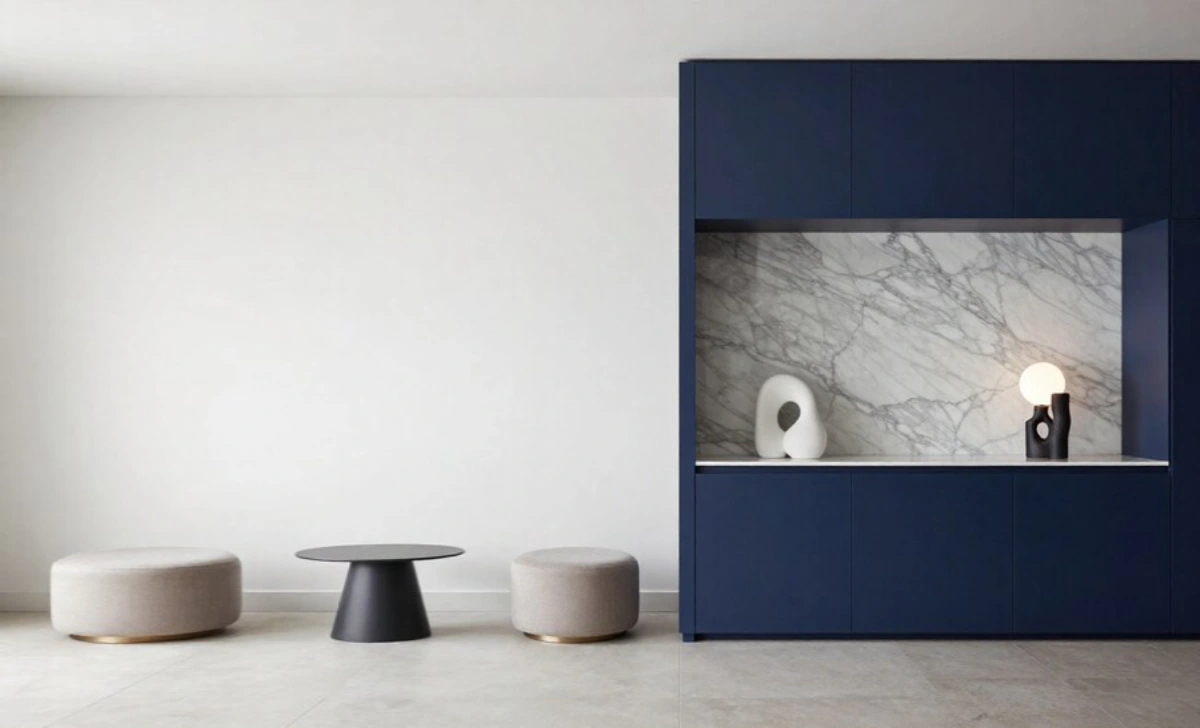
- Phase 1 — Strategic Audit & Blueprint (Weeks 1–2): Assess the property, set a tiered budget, and lock in your expert team.
- Phase 2 — High-Impact Renovations (Weeks 3–6): Execute core upgrades to the kitchen, primary bath, and exterior for immediate emotional impact.
- Phase 3 — Staging & Sensory Layering (Weeks 7–10): Add bold art, texture, lighting, smart technology, and AI-assisted virtual staging to build an immersive buyer experience.
- Phase 4 — Final Polish & Market Debut (Weeks 11–12): Capture the transformation with professional marketing assets and launch to premium buyers.
Phase 1: Strategic Audit & Blueprint (Weeks 1–2)
Success in a 90-day renovation begins with a plan, not a paintbrush. This phase creates the unshakable foundation on which every subsequent decision depends.
The Property Audit
Walk through the entire property with a notepad — or better, with your luxury real estate agent — and document every element that reads as generic, dated, or beneath the target price point. Look for plain white walls, builder-grade fixtures, hollow-core doors, absent architectural detail, and landscaping that could belong to any subdivision. Be brutal. Buyers at this price tier have seen everything and will notice what you overlooked.
Pay particular attention to the primary suite, kitchen, and entry sequence. According to Remodeling Magazine’s annual Cost vs. Value Report, these zones generate the highest perceived value per dollar invested in the luxury segment. [Insert internal link to: kitchen renovation ROI guide]
The Budget Blueprint
Your renovation spend is a strategic investment, not an expense. Allocate across four categories and treat the percentages as firm guardrails, not suggestions:
- Visual Foundation (40%): Permanent, high-ROI changes — custom kitchen, primary bath overhaul, curb appeal, and architectural upgrades like millwork or statement ceilings.
- Experiential Layer (30%): Professional staging, smart home integration, high-end lighting, and custom window treatments that create an emotional connection.
- Marketing Package (20%): Professional photography, cinematic video, 3D walkthrough, AI-assisted virtual staging for vacant rooms, and premium listing placement.
- Contingency Fund (10%): Non-negotiable. Material delays, subcontractor gaps, and hidden structural surprises happen on every project at this scale. This buffer protects your timeline.
Critical guardrail: Your agent’s CMA sets your absolute spending ceiling. Overcapitalizing — investing more than your local comparable sales can support — is the most common and most expensive mistake sellers make. Run every significant line item against the CMA before approving.
Assembling Your 90-Day A-Team
Every team member must be contracted and scheduled by Day 14. Late contractor selection is the single most common cause of timeline collapse.
- Luxury-specialized real estate agent: Their insight into what today’s buyer in your specific submarket wants is your most valuable strategic asset. Ask specifically what has sold quickly in the last 90 days and why.
- General contractor or project manager: Vetting is non-negotiable. Ask for references from projects with a similar scope and speed. When you speak to those references, ask two specific questions: How did they communicate during delays? Did the final result match the original scope and price?
- Specialty trades: Identify and schedule your cabinet maker, stone fabricator, and landscape designer in Week 1. These trades book out further in advance than general contractors and are the most likely bottleneck.
- High-end home stager: Specifically, a stager credentialed with the Real Estate Staging Association (RESA), not a decorator. A stager understands buyer psychology; a decorator understands personal taste. They are different skills.
Use a shared project management tool — even a simple shared spreadsheet or a free tier of a tool like Asana — to keep selections, invoices, and delivery dates visible to every team member. Miscommunication at this pace costs days.
Phase 2: High-Impact Renovations (Weeks 3–6)
With your plan locked, move immediately into execution on the spaces luxury buyers scrutinize most. The objective is to engineer a visceral first impression before a single piece of furniture arrives.
The Kitchen
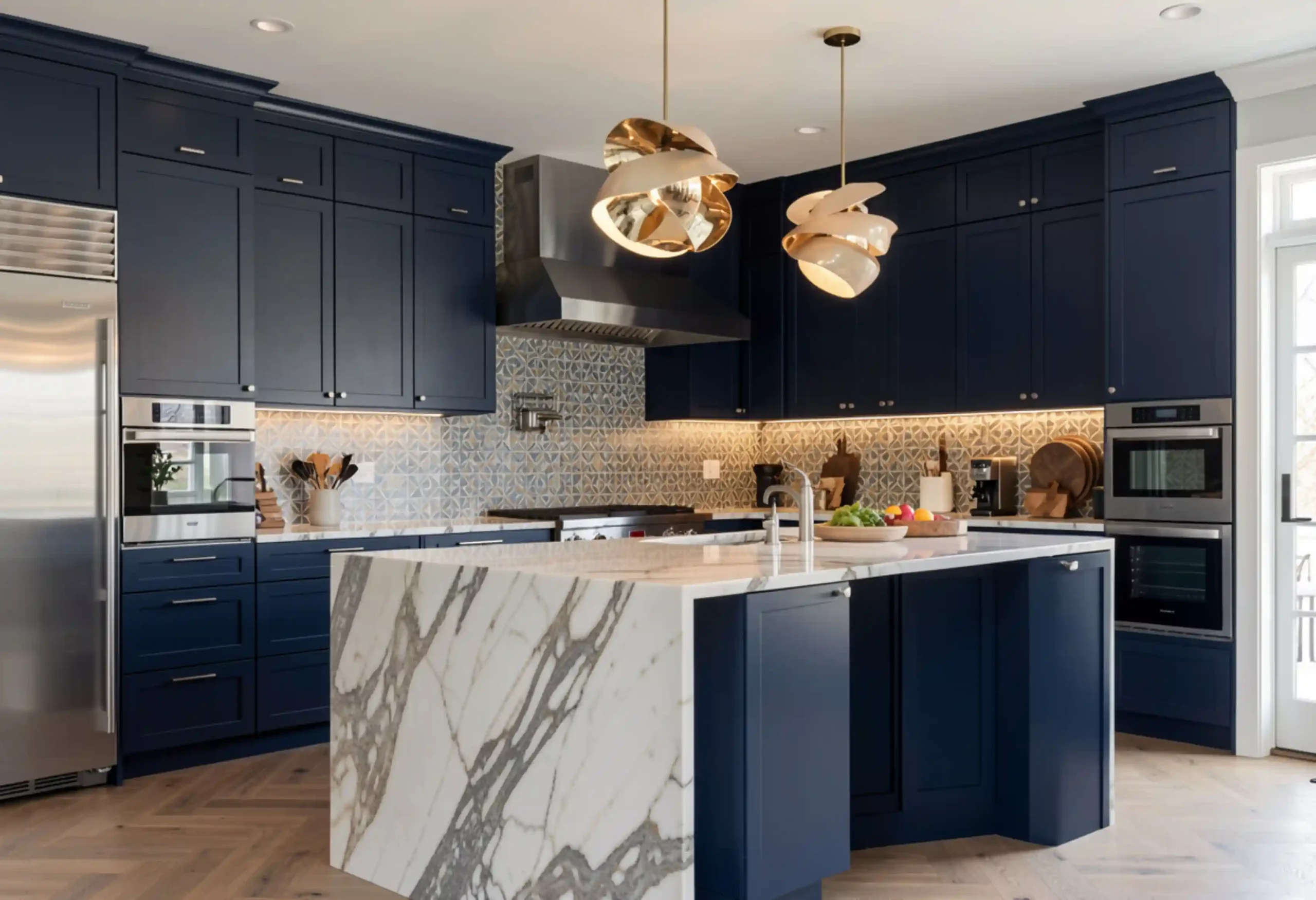
The kitchen is your single highest-leverage room. Every dollar invested here returns a disproportionate amount in perceived value and buyer emotion.
- Cabinetry: Replace flat-panel or dated cabinets with Shaker-style or fully custom designs in a considered, bold color — navy, forest green, matte black, or deep walnut. This is not the place for greige.
- Stone: Install a statement slab as both backsplash and waterfall island. In 2026, the top-of-market choices are book-matched Calacatta marble, dramatic quartzite in Taj Mahal or Super White, and sintered stone (Dekton, Neolith) for buyers who want the aesthetic of stone with superior resistance to heat and scratching. Leathered and honed finishes are outpacing polished surfaces in the luxury new-build market this year. [Insert internal link to: 2026 kitchen material trends]
- Hardware: Swap every piece for unlacquered brass, polished nickel, or matte black — whichever reads as intentional within your color story. Hardware is the jewelry of the kitchen; cheap hardware undermines expensive cabinetry.
- Appliances: Integrate pro-style, high-performance appliances — Sub-Zero, Wolf, Miele. In the luxury segment, brand names are recognized and expected.
The Primary Bath
The goal is to eliminate every trace of the sterile, hotel-adjacent bathroom and replace it with something that feels curated and indulgent.
- Install a freestanding sculptural tub as the visual anchor of the space. Buyers photograph this room.
- Use large-format, patterned tile — Zellige-inspired handmade tiles, terrazzo, or graphic cement tile — on the floor or as a full shower surround.
- Upgrade to a multi-head digital shower system with thermostatic control.
- Add warmth through wood-look vanities, arched or unlacquered brass mirrors, and curated accessories in a cohesive material palette.
- Install heated floors — a relatively low-cost addition at renovation time that buyers consistently flag as a standout feature in showing feedback.
Curb Appeal and the Grand Entrance
A buyer decides how they feel about a property before they open the front door. Do not underinvest here.
- Front door: Repaint in a high-gloss, daring color — deep lacquered red, British racing green, high-gloss charcoal. Hardware and house numbers should be replaced to match.
- Lighting: Install substantial, contemporary exterior fixtures. Undersized lighting reads as an afterthought at any price point.
- Landscaping: Commission-structured, layered plantings — boxwood hedging, ornamental grasses, seasonal color, and uplighting after dark. The landscape designer you hired in Phase 1 should be executing this concurrently with interior work.
- Foyer: The entry must immediately announce the maximalist intention. Bold wallcovering, a dramatic chandelier, and a single striking piece of art are the minimum threshold. This is the room that sets every expectation that follows.
- EV charging: If your garage does not have a Level 2 EV charger, add one now. In the 2026 luxury market — where the majority of buyers in this tier drive or are considering an electric vehicle — its absence is increasingly a negotiation point. The installation cost is modest relative to the perceived value.
Additional Spaces Worth Addressing in This Phase
The 2026 luxury buyer’s wish list has expanded beyond kitchen and bath. If your property has the square footage, address these spaces during Phase 2:
- Home office: A dedicated, well-designed home office — not a converted bedroom corner — is a top-three feature request among millennial luxury buyers, who now represent the largest demographic cohort in the $1M+ purchase market. Design it with built-in shelving, statement wallpaper, and architectural lighting. Remote-first work patterns have made this permanent.
- Wellness room: A dedicated sauna, meditation room, or gym with premium flooring and mirrored walls adds significant perceived value in the upper luxury tier. Even a well-converted spare bedroom with rubber flooring, mirrored walls, and a mounted TV can check this box.
- Outdoor living: Covered outdoor spaces with quality furnishings, outdoor kitchen capabilities, and integrated lighting have become a core expectation in warmer and temperate markets, not a bonus feature.
Phase 3: Strategic Staging & Sensory Layering (Weeks 7–10)
The renovation creates the canvas. This phase creates the story. Maximalism is curated abundance, not clutter — the distinction matters enormously and is the difference between a home that photographs as aspirational and one that photographs as chaotic.
Physical Staging Principles
Work with your RESA-credentialed stager to implement the following layers systematically:
- Bold art and collections: Large-scale, original artwork creates instant drama and gives buyers something to talk about. Display curated collections — art books, ceramics, travel objects — in built-ins. Every object should feel chosen, not collected.
- Texture and pattern: Layer velvet, silk, wool, and linen. Use patterned rugs, pillows, and full-length drapery. A coordinated color story allows you to mix stripes, florals, and geometrics without the result reading as chaotic.
- Statement lighting: Replace every anonymous ceiling fixture with something a buyer will remember — sculptural chandeliers, oversized hand-blown glass pendants, architectural sconces. Lighting is the single element that makes a room feel expensive or ordinary, regardless of what else is in the room.
- Sensory details: Subtle scent diffusion (cedar, clean linen, or a single-note floral appropriate to the property’s character), clean acoustics through rugs and drapes that absorb echo, and artfully set surfaces — a coffee table book propped open, a decanted wine service on the dining sideboard — suggest a life well-lived to every buyer who walks through.
Smart Home Integration
Technology in a maximalist luxury property should be felt, not seen. The buyer experience should be: everything works perfectly, without effort, and without a single visible wire or ugly interface panel.
- Automated lighting and motorized window shading on a single control system (Lutron Caséta or RadioRA are the recognized standards in the luxury market)
- Whole-home audio with in-ceiling or in-wall speakers and invisible placement
- Integrated security with smart locks, cameras, and a clean touchpad or tablet interface
- Thermostat control that is programmable and visually refined (Nest or Ecobee in lower tiers; Savant or Control4 in the upper luxury tier)
The goal is high-performance functionality with a luxurious, frictionless interface — technology that enhances the lifestyle without requiring the buyer to manage complexity.
Phase 4: Final Polish & Market Debut (Weeks 11–12)
The final push is about flawless presentation and strategic launch. A home positioned correctly can generate competing offers within the first 72 hours. This phase earns or loses that window.
The Deep Clean and Final Walk-Through
Hire a specialized post-construction deep-cleaning service — not a standard cleaning company. With your agent and general contractor, conduct a formal final walk-through using a written snag list. Every minor touch-up identified now costs far less to fix than a price reduction later.
Professional Marketing Assets
According to the NAR’s 2024 Profile of Home Buyers and Sellers, approximately 96% of buyers used the internet at some point during their home search. Your marketing assets are not supplementary — they are the primary showing for the majority of prospective buyers who will never see the home in person before making an offer.
- Photography: Hire a real estate photographer who works exclusively in the luxury market and can demonstrate a portfolio at your price tier. They understand how to capture scale, ambiance, and the drama of statement lighting, which is very different from standard real estate photography.
- Cinematic video tour: A 60–90 second video with professional music and smooth motion reveals the property’s full character in a way still photography cannot. This is the piece buyers share with their partners and decision-making circle.
- 3D walkthrough: Matterport remains the industry standard for immersive 3D scanning and allows serious remote buyers — common in the luxury segment — to walk through the home at their own pace before flying in. iGUIDE and Zillow 3D Home are alternatives worth discussing with your agent based on your listing platform strategy.
- AI virtual staging images: As discussed in Phase 3, include virtually staged versions of any vacant spaces in the listing gallery alongside the real photography.
Crafting the Listing Narrative
Your listing description should tell the story of the transformation, not catalogue the specifications. Buyers reading a luxury listing are not looking for square footage figures — they are looking for permission to desire the home. Use language that evokes experience: “curated,” “layered,” “immersive,” “spa-like,” “chef’s.” Name the materials specifically (Calacatta marble, Dekton, Lutron, Sub-Zero) because buyers and their agents recognize them. Avoid vague superlatives like “stunning” and “gorgeous,” which appear in virtually every listing and carry no information.
If your agent uses AI-assisted listing copy tools, treat the output as a first draft requiring a skilled human editor — not a final deliverable. The listing copy for a $2M+ property deserves the same attention as any piece of premium marketing material.
Strategic Budget Breakdown, Allocation & ROI Focus
| Allocation | Key Investments | ROI Focus | |
|---|---|---|---|
| Visual Foundation | 40% | Custom kitchen, statement stone, primary bath overhaul, landscaping, millwork, EV charger | Highest direct value add. Addresses the spaces buyers cite most in purchase decisions. |
| Experiential Layer | 30% | Professional staging, smart home package, high-end lighting, custom window treatments, wellness space | Creates emotional connection and justifies premium pricing above comps. |
| Marketing Package | 20% | Professional photography, cinematic video, 3D walkthrough, AI virtual staging, premium listing placement | Maximizes reach to qualified buyers; drives competitive offer situations. |
| Contingency Fund | 10% | Material delays, subcontractor gaps, unforeseen structural items, and last-minute enhancements | Protects your timeline and prevents the most expensive outcome: a delayed listing. |
ROI context from industry data: Remodeling Magazine’s 2024 Cost vs. Value Report found that upscale kitchen remodels recoup 38–60% of their direct cost at resale nationally, with luxury markets performing at the higher end of that range. However, that figure measures direct cost recoupment — it does not capture the equally significant benefit of reduced days on market or prevention of price reductions, both of which are harder to quantify but consistently cited by luxury agents as the primary financial argument for pre-sale renovation.
Warning: Overcapitalizing — spending more in renovations than your local comparable sales can support — is the most common and most financially damaging mistake sellers make in this process. Your agent’s CMA is your spending ceiling. Treat it as one.
Budget by Home Price: Practical Ranges
| Target Sale Price | Conservative Budget (5%) | Aggressive Budget (10%) | Notes |
|---|---|---|---|
| $1,000,000 | $50,000 | $100,000 | Focus the budget on the kitchen and staging. Partial bath refresh if needed. |
| $2,000,000 | $100,000 | $200,000 | Full kitchen + bath renovation, complete staging, professional marketing package. |
| $5,000,000+ | $150,000–$250,000 | $400,000+ | In ultra-luxury, 3–5% may be more appropriate. Buyer expectations for perfection are absolute. Consult a specialist agent. |
What the Luxury Market Rewards Now?
The maximalist shift is the headline trend, but understanding the specific expressions of it that today’s buyers are responding to is what separates a well-executed renovation from a precisely targeted one.
Who Is the 2026 Luxury Buyer?
Millennial buyers — now broadly between 30 and 45 — have become the dominant purchasing cohort in the $1M–$3M luxury tier, according to NAR generational trend data. This matters because their preferences are specific and differ meaningfully from the Gen X buyers who dominated the market a decade ago:
- They grew up with design culture — they know the difference between Zellige tile and a ceramic lookalike, and they care.
- They prioritize home as a lifestyle expression, not just a financial asset, which is precisely why maximalism resonates.
- They have a strong preference for dedicated work-from-home space, wellness integration, and technology that works invisibly.
- They respond to sustainability signals — material sourcing, low-VOC finishes, and ENERGY STAR appliances are increasingly cited in buyer feedback at this tier.
Material Trends to Incorporate in 2026
- Limewash and Venetian plaster walls: These textured wall treatments have moved from boutique hotels into high-end residential and are among the most frequently mentioned finishes in luxury listing copy right now. They add depth and warmth that paint cannot replicate.
- Leathered stone: Leathered and honed finishes on quartzite and granite are replacing high-polish stone in new luxury builds. They are more practical and less expected.
- Sintered stone (Dekton, Neolith): Gaining ground in kitchens and outdoor kitchen applications because it handles heat, UV, and impact in ways natural stone does not. High-end buyers increasingly recognize and request it by name.
- Natural materials throughout: Rattan, cane, raw linen, and live-edge wood as accent elements reflect the biophilic design movement that has moved firmly into the luxury mainstream.
- Jewel tones: Sapphire, emerald, deep amber, and oxblood in upholstery, cabinetry, and drapery. These are the colors that photograph beautifully and anchor a maximalist palette.
A Note on Regional Market Differences
The maximalist trend is national, but its specific expression varies by market. In Miami and Los Angeles, drama and boldness are not just accepted — they are expected. In Greenwich, Connecticut or suburban Chicago, the maximalist instinct may need to be expressed through rich materials and layered texture rather than bold color. Ask your agent what has sold in your zip code in the last 60 days and study those listings visually before finalizing your design decisions.
Common Mistakes & How to Avoid Them
1. Prioritizing personal taste over market taste.
- Why it happens: It is your home, and you want to love the changes.
- How to avoid: Let your agent’s CMA and recent sales data guide every major finish decision. Your stager and agent have seen what buyers respond to in your market. You have seen what you personally like. Trust the professionals.
2. Underestimating the timeline.
- Why it happens: Optimism and unfamiliarity with how quickly material delays cascade.
- How to avoid: Order all materials — stone slabs, cabinetry, specialty tile — before demolition begins. Build a 10–15% time buffer into every phase. A delayed listing costs more than almost any material upgrade.
3. Hiring the cheapest contractor.
- Why it happens: Trying to recapture budget from one category to spend in another.
- How to avoid: At this pace and quality level, you are paying for a contractor who manages people and timelines as much as they manage construction. Vet references meticulously. Ask specifically whether the contractor communicated problems proactively or went silent during issues.
4. Neglecting digital presentation.
- Why it happens: Believing the physical renovation is enough once complete.
- How to avoid: With approximately 96% of buyers using the internet during their search (NAR, 2024), your digital presence is your primary showing. Budget for and prioritize every element of the marketing package as seriously as the renovation itself.
5. Forgetting the contingency fund.
- Why it happens: Hoping for the best.
- How to avoid: Treat the 10% contingency as a non-negotiable line item from Day 1. If you do not use it, it is a pleasant bonus. If you need it and do not have it, you are making decisions under financial pressure — and those decisions are almost always wrong.
6. Ignoring the sustainability question.
- Why it happens: It has not historically been a luxury buyer priority.
- How to avoid: It is increasingly one now. Low-VOC paints and finishes, ENERGY STAR appliances, responsibly sourced materials, and an EV charger all have measurable positive effects on buyer perception at the top of the market. They cost very little additional when incorporated during an active renovation.
If the Home Doesn’t Sell Within 30 Days
A well-executed maximalist renovation at the right price point in a receptive market should generate offers quickly. If it does not, resist the instinct to immediately reduce the price. First, diagnose the correct problem.
- Showing feedback: What are buyers and their agents saying after they walk through? Consistent specific objections (a room feels too bold, a layout issue, a price-per-square-foot concern relative to comps) are actionable data. Vague feedback (“just didn’t connect”) is harder to address but often signals a pricing issue.
- Digital performance: How many listing views, saves, and showing requests has the property generated? Low traffic suggests a marketing or pricing issue. Good traffic with low conversion to showings suggests the photos or listing copy are not matching buyer expectations. High showings with no offers point to either a price issue or an in-person experience that doesn’t match the digital presentation.
- Price adjustment timing: If, after 30 days and a full review of the above data, a price adjustment is warranted, a single strategic reduction of 3–5% is more effective than incremental reductions over time. Incremental reductions signal desperation; a single deliberate adjustment signals a motivated seller who knows the market.
Consult your agent before making any adjustments. They have access to showing feedback, market velocity data, and comparable active listings that provide context you cannot see from inside the transaction.
FAQs
Is maximalist design a passing trend, or is it here to stay?
The underlying demand is structural, not cyclical. It reflects how a generation of buyers — who grew up with design culture, work from home, and use their homes for a wider range of activities — wants to live. The specific expressions of maximalism (which colors, which materials) will evolve, but the core preference for layered, expressive, technology-rich homes over neutral, stripped-back spaces reflects a genuine lifestyle shift rather than a fleeting aesthetic moment.
Can I achieve a maximalist look without a full gut renovation?
Yes, and for many properties this is the right strategy. High-impact, non-structural changes can transform a space significantly: bold paint or grasscloth wallcovering, replacing every light fixture and piece of hardware throughout the home, installing full-length custom drapery, and introducing large-scale, curated furniture and art through professional staging. The principle is intentional boldness in every choice, not volume of objects.
How do I choose a contractor for this fast-paced project?
Look specifically for a contractor with verifiable experience completing high-quality renovation projects on compressed timelines for pre-sale purposes. Request a detailed, week-by-week schedule before signing anything — a contractor who cannot produce one is not organized enough for this project. When you call references, ask two specific questions: How did they communicate when something went wrong? Did the finished product match what was scoped and priced? Those answers reveal more than any portfolio photograph.
What is a realistic budget for a 90-day luxury pre-sale renovation?
A strategic starting range is 5% to 10% of your target sale price. For a $1 million home, that means $50,000 to $100,000. For a $2 million home, $100,000 to $200,000. In high-cost markets like New York City or Los Angeles, the range may compress to 3–7% due to higher base prices and higher baseline buyer expectations. How you allocate the budget across the four categories — Visual Foundation, Experiential Layer, Marketing, and Contingency — matters more than the total figure. Your agent’s CMA sets your absolute ceiling.
Conclusion
Transforming a property from generic to genuinely desirable in 90 days is a disciplined, strategic process — not a creative exercise. The market has moved toward buyers who want to feel something when they walk through a door, and the properties that deliver that experience are selling faster and at stronger premiums than those that do not.
By following this plan — from the initial audit and team assembly through the high-impact renovations, sensory staging, and professional market launch — you systematically address every objection a buyer might raise and replace it with desire. You are not just updating a property. You are repositioning it to meet the specific expectations of the 2026 luxury buyer.
Begin today with your property audit. Then partner with a luxury-specialized real estate agent [Insert internal link to: how to choose a luxury real estate agent] who understands this market shift to validate your plan, set your spending ceiling, and connect you with the right team. With a focused strategy and the right people in place, your home’s most profitable chapter is 90 days away.
