
Your personal data is being collected, packaged, and sold — often without your meaningful knowledge. This article is for anyone aged 18 to 45 who shops, browses, or communicates online and wants to understand what companies can and cannot legally do with your information in 2026.
Here is what actually matters: knowing your consumer privacy rights in 2026 can save you from targeted manipulation, identity theft, and having your most sensitive information shared with data brokers. The biggest misconception is that clicking ‘I Agree’ signs away all your rights — it does not. Multiple U.S. state laws and international frameworks guarantee rights that persist even after you hit accept.

Why Consumer Privacy Rights Matter More in 2026
Knowing your rights lets you request deletion of your data, opt out of your information being sold to third parties, and correct inaccurate records that affect your credit, insurance rates, or job prospects.
Your data profile built today affects decisions made about you for years — loan approvals, health insurance pricing, and even hiring algorithms. People who use social media daily, shop online, or use free apps are most affected — that covers approximately 92% of U.S. adults.
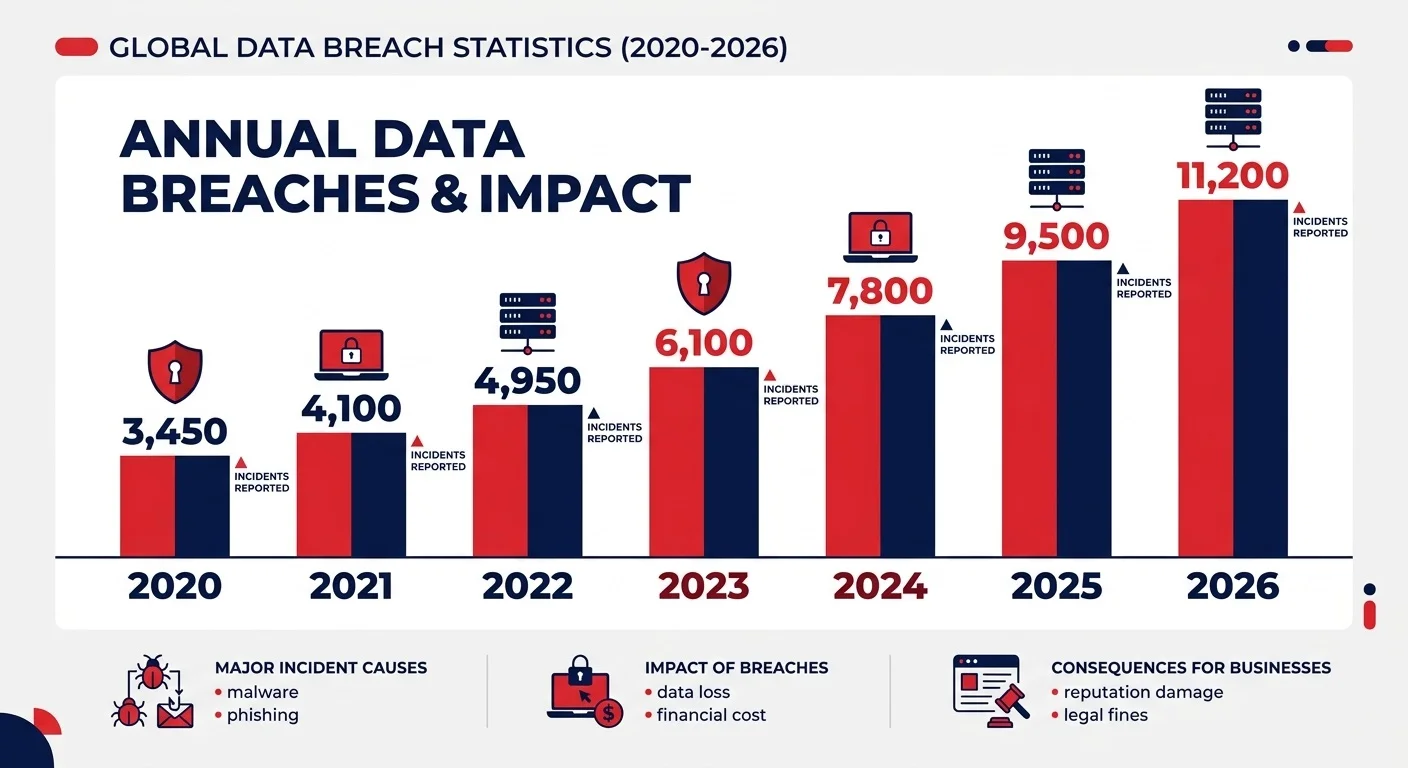
Key Stat: The Identity Theft Resource Center reported over 3,200 data breaches in 2023 — a record high — exposing more than 353 million individuals. That number has continued to climb since then.
If you ignore this: companies continue selling your behavioral data, health information, and location history with little restriction. You remain a product rather than a person with rights.
7 Consumer Privacy Rights You Have in 2026
1. The Right to Know What Data Is Collected About You
Under laws including California’s CPRA, Colorado’s CPA, and Virginia’s CDPA, you can submit a data access request to any company operating in those states. You will receive a full list of personal information they hold about you — within 45 days. This includes your purchase history, browsing behavior, inferred characteristics, and contact details sold to third parties.
Best for: Anyone who shops or browses online
Goal: See exactly what data exists about you
Time required: 20 minutes to submit; 45 days to receive response
Pro Tip: Submit access requests to the top 5 data brokers first — Acxiom, LexisNexis, Epsilon, Experian, and CoreLogic. Use a dedicated email so you can track all responses in one place.

2. The Right to Delete Your Personal Data
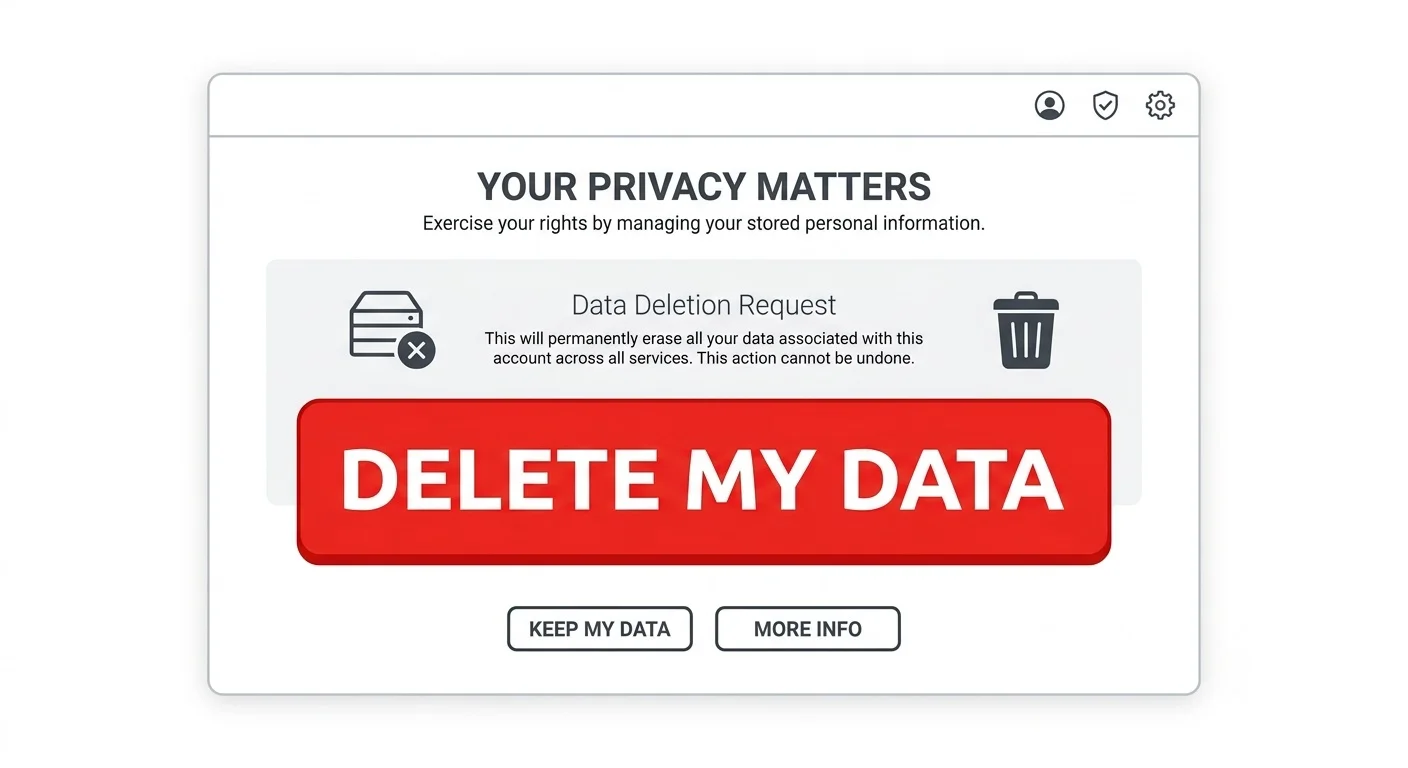
You can formally request that businesses delete personal information they have collected from you. This applies under CPRA, the EU’s GDPR, and 18+ U.S. state laws active in 2026. Deletion requests must be honored within 45 days. Exemptions exist for data needed to complete a transaction or comply with legal obligations.
Best for: Former customers, people who used an app once
Time required: 10 minutes to submit; results within 45 to 90 days
Pro Tip: Use tools like DeleteMe ($129/year) to automate deletion requests across 750+ data broker sites. Manual deletion takes 3 to 4 minutes per site; automation cuts that to under 10 minutes total setup.
3. The Right to Opt Out of the Sale of Your Data
Every company subject to CPRA must display a clear ‘Do Not Sell or Share My Personal Information’ link on their website. The Global Privacy Control (GPC) browser signal automates this — when enabled, it sends a legal opt-out signal to every site you visit automatically, without any manual clicking.
Best for: Anyone who wants to stop targeted advertising at scale
Time required: 2 minutes setup
Pro Tip: Enable GPC in Firefox or Brave. It takes 2 minutes to set up and covers every site you visit from that moment forward — no individual opt-outs needed.
4. The Right to Correct Inaccurate Personal Information
Under CPRA and Colorado’s CPA, you can request corrections to inaccurate personal data a company holds about you. This matters most for data that affects your financial life — credit scoring inputs, insurance risk assessments, and background check reports. Companies must respond within 45 days.
Best for: Anyone with a credit file, insurance policy, or employment history online
Time required: 30 minutes to document errors; 45 days for company response
Pro Tip: Request your free annual credit reports from all three bureaus at AnnualCreditReport.com and cross-check them against data broker profiles. Discrepancies in address or employer are correction request candidates.

5. The Right to Limit Use of Sensitive Personal Information
CPRA introduced a separate category: sensitive personal information — which includes Social Security numbers, financial account details, precise geolocation, health and medical data, racial or ethnic origin, and sexual orientation. You can instruct companies to use this data only for delivering the service you requested — not for profiling, advertising, or selling. Companies must honor this within 15 business days.
Best for: Users of health apps, navigation apps, or financial platforms
Time required: 15 minutes to audit app permissions
Pro Tip: Review every app on your phone that has location access. Change any non-navigation app from ‘Always’ to ‘Never.’ Precise location is one of the most commercially valuable data points collected.
6. The Right to Non-Discrimination for Exercising Privacy Rights
Companies cannot legally penalize you for exercising your privacy rights. They cannot deny you products, charge higher prices, provide lower-quality service, or threaten you for submitting a deletion or opt-out request. This is explicitly prohibited under CPRA, GDPR, and most 2026 U.S. state privacy laws. If a company retaliates after you opt out, that is a reportable violation.
Best for: Everyone exercising any privacy right
Pro Tip: Document the date and outcome of every privacy request. If you notice a change in service quality within 30 days, file a complaint with your state Attorney General’s office — most have a dedicated online privacy complaints form.
7. The Right to Appeal a Company’s Privacy Decision
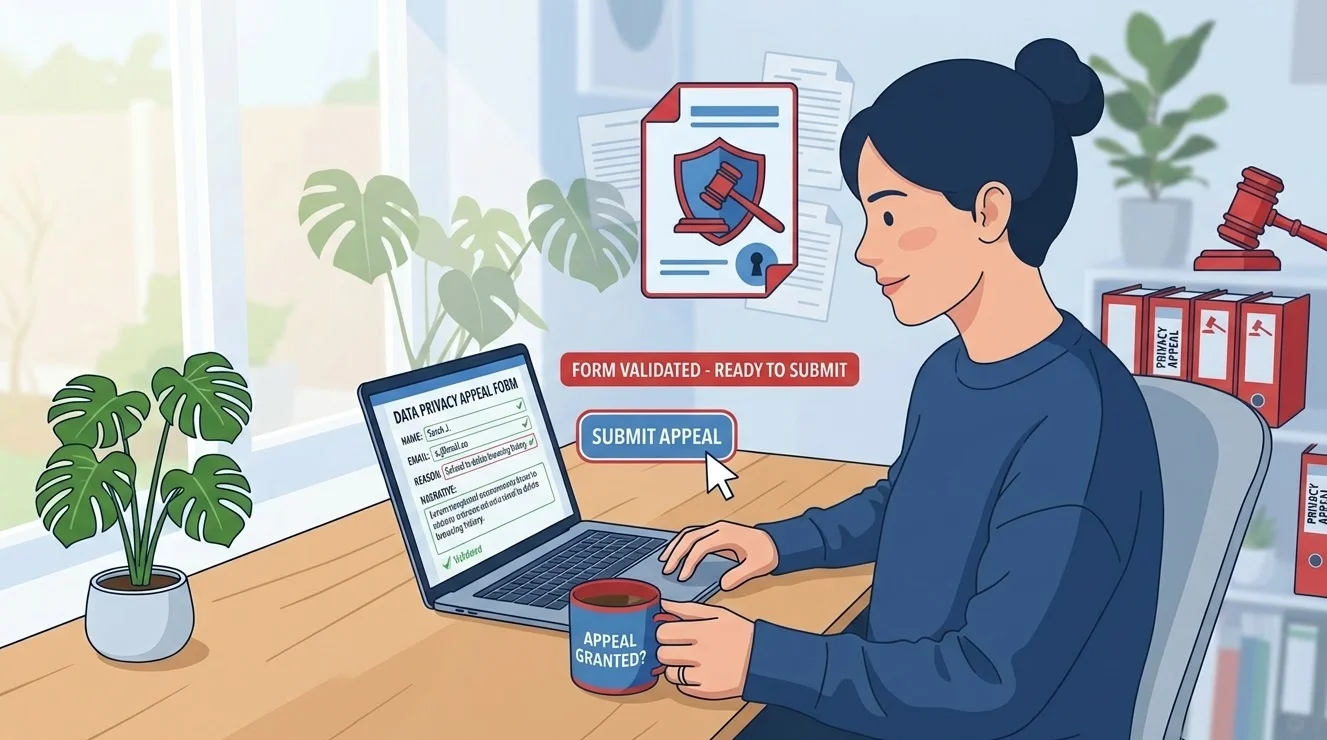
If a company denies your access, deletion, or correction request, you have the right to appeal. Under Colorado, Virginia, Connecticut, and other state laws, companies must provide an internal appeals process and respond within 60 days. If the appeal is also denied, you can escalate to your state Attorney General or the FTC at ReportFraud.ftc.gov.
Best for: Anyone whose privacy request was denied or ignored
Time required: 20 minutes to file an appeal or complaint
Pro Tip: If a company ignores your request entirely with no response within 45 days, that silence itself is a violation. Document it with screenshots, then file directly with the state AG. Non-response complaints are often the easiest for regulators to act on.
All 7 Rights at a Glance
| Right | Best For | Difficulty | Time to Act | Response Deadline |
| Right to Know | All online users | Easy | 20 min | 45 days |
| Right to Delete | Former customers | Easy–Medium | 10 min | 45 days |
| Opt Out of Sale | Anyone browsing | Easy | 2 min (GPC) | 15 business days |
| Right to Correct | Financial records | Medium | 30 min | 45 days |
| Limit Sensitive Data | Health/location apps | Easy | 15 min | 15 business days |
| Non-Discrimination | All rights users | Easy | 10 min | Varies by state |
| Right to Appeal | Denied requests | Medium | 20 min | 60 days |
Getting Started: Your 4-Step Privacy Action Plan
Step 1 — What to Do TODAY
Enable the Global Privacy Control (GPC) signal in your browser. Download Firefox or Brave, go to Settings > Privacy, and toggle on ‘Send websites a Do Not Sell or Share signal.’ Also go to your phone settings and change all non-essential apps from ‘Always’ location access to ‘Never.’
Tools needed: Firefox or Brave browser (both free), your phone’s app permission settings.
How to measure: Confirm GPC is active in your browser’s privacy dashboard.
Step 2 — What to Do THIS WEEK
Submit data access requests to Acxiom, LexisNexis, and Epsilon. Also download your personal data from Google (myaccount.google.com) and Meta (Facebook Settings > Your Facebook Information) to see exactly what they hold.
Tools needed: Your primary email address, 20 to 30 minutes total.
How to measure: Save all confirmation emails and set calendar reminders for 45 days out.
Step 3 — What to Do THIS MONTH
Review what the data broker access requests revealed. Submit deletion requests for every broker holding your information. Pull your free credit reports from AnnualCreditReport.com and dispute any inaccuracies directly.
Tools needed: AnnualCreditReport.com (free), data broker privacy portals, or DeleteMe ($129/year) for automation.
How to measure: Track the number of broker deletion confirmations received.
Step 4 — Long-Term Plan
Set a quarterly calendar reminder to re-submit opt-out requests, check your data downloads from major platforms, and review new apps for excessive permissions. Subscribe to EFF.org’s newsletter to track new state-level privacy laws.
Tools needed: Calendar app, EFF.org newsletter (free), optional paid monitoring tool.
How to measure: Fewer targeted ads, reduced data broker profiles, zero unresolved requests older than 90 days.
7 Mistakes That Leave Your Data Exposed
Mistake 1: Thinking ‘I Agreed’ Means You Have No Rights
Why it happens: Lengthy terms of service create a false impression of total consent.
Fix: Your statutory privacy rights under CPRA and GDPR exist regardless of what you agreed to. Accepting a privacy policy does not waive your right to access, delete, or opt out of data sale.
Mistake 2: Only Opting Out of One Company
Why it happens: Most people do not know that over 4,000 data brokers operate in the U.S.
Fix: Prioritize the top 10 to 20 data brokers first, then use DeleteMe for wider coverage.
Mistake 3: Assuming Privacy Rights Apply Everywhere in the U.S.
Why it happens: No comprehensive federal privacy law existed as of early 2026 — rights vary by state.
Fix: Check your state’s law status at IAPP.org’s U.S. State Privacy Legislation Tracker.
Mistake 4: Not Following Up on Deletion Requests
Why it happens: People assume requests are automatically honored.
Fix: Set quarterly calendar reminders to re-submit deletion requests to the top 10 brokers. Data brokers frequently re-aggregate deleted data within 3 to 6 months.
Mistake 5: Clicking ‘Allow All Cookies’ Every Time
Why it happens: Cookie banners are designed to make ‘accept all’ the easiest option.
Fix: Use uBlock Origin or Consent-O-Matic to automatically reject non-essential cookies on every site — no manual interaction needed.
Mistake 6: Ignoring App Permission Requests
Why it happens: Apps ask for permissions during setup when users are distracted.
Fix: Review all app permissions monthly. On iOS: Settings > Privacy & Security. On Android: Settings > Privacy > Permission Manager.
Mistake 7: Never Filing a Complaint When Companies Ignore Requests
Why it happens: Most people do not know that regulators actively accept and act on individual complaints.
Fix: File a complaint with your state AG or the FTC at ReportFraud.ftc.gov. It takes under 10 minutes and contributes to enforcement patterns that protect everyone.
Consumer Privacy Rights 2026 — FAQ
Q1. How much does it cost to exercise consumer privacy rights?
Most privacy rights are free to exercise. Submitting access, deletion, correction, and opt-out requests to companies costs nothing. Optional tools like DeleteMe ($129/year) automate the process but are not required.
Q2. How long does it take to see results?
Companies have 45 days to respond to access and deletion requests. Opt-out requests for data sale must be honored within 15 business days. Full removal from data broker databases takes 3 to 6 months for first-pass results.
Q3. Can a complete beginner do this?
Yes. Enabling GPC takes 2 minutes. Submitting a deletion request is as simple as filling out an online form. No lawyers or technical skills are needed for standard requests.
Q4. What is the biggest mistake people make?
Believing they signed away all rights by clicking ‘I Agree.’ Your statutory privacy rights exist independent of terms of service and can be exercised at any time — even for data collected years ago.
Q5. Do these rights apply to Meta and Google?
Yes. Meta, Google, TikTok, and other major platforms are subject to CPRA and other state laws. They each have self-service privacy dashboards where you can access, download, and request deletion of your data.
Q6. What results can I realistically expect?
Within 30 days: reduced targeted advertising, confirmed opt-outs at major platforms. Within 3 months: deletion confirmations from most data brokers you contacted. Within 6 months: a measurably smaller data footprint online.
Q7. Is there a federal privacy law in the U.S. in 2026?
As of early 2026, no comprehensive federal consumer privacy law has been enacted. The American Privacy Rights Act passed the House in 2024 but was not signed into law. Your rights currently depend on which state you live in.
Q8. What is a data broker?
A data broker is a company that collects personal information from hundreds of sources — public records, loyalty programs, social media, purchase histories — and sells it to advertisers, insurers, employers, and people-search sites. Over 4,000 operate in the U.S.
FINAL WORDS
Your Data. Your Rights. Your Move.
Three things matter most: knowing you have rights that survive any ‘I Agree’ click, understanding that opt-out requests must be honored by law — not just courtesy — and recognizing that consistent follow-up is what separates a protected digital life from an exploited one.
Start today: open Firefox or Brave, enable the Global Privacy Control in privacy settings, and submit one data deletion request to Acxiom within the next 24 hours. That is 15 minutes of action that begins a permanent change in how your personal data gets used.
⬇
Download Free Privacy Checklist 2026
PDF · 4 Pages · blogsora.com
FREE
No signup required · Instant download · blogsora.com