A sustainable morning routine limits water, energy, and packaging waste during your first hours of the day. The highest-impact changes are shortening showers to 5 minutes, switching from single-use coffee pods to a French press, turning off the tap while brushing, and adjusting your thermostat before you leave the house.
You wake up, hit snooze twice, stumble to the bathroom, turn on the shower while brushing your teeth, grab a coffee pod, and scroll through your phone while the AC hums in the background. Sound familiar?
What feels like a harmless personal ritual is actually one of the most resource-intensive parts of your day. Those first 90 minutes — shower, coffee, breakfast, HVAC — burn through water, energy, and packaging at a rate most people never stop to calculate. And the fixes are simpler than you’d expect.
This guide is a practical breakdown of where your sustainable morning routine can improve the most, and what to actually do about it. No dramatic lifestyle overhaul required.
Your Shower Is Wasting More Water Than You Think
The average American shower runs for about 8 minutes and uses roughly 17 gallons of water, according to EPA estimates. Over a year, that’s more than 6,000 gallons for one person — just for the morning rinse.
But water volume is only part of the cost. Heating that water accounts for approximately 18% of a typical home’s total energy use, according to the US Department of Energy. When multiple people in a household shower back-to-back in the morning, the water heater works its hardest — reheating constantly instead of maintaining temperature.
Here’s how to fix it:
- Set a 5-minute timer. Cutting from 8 to 5 minutes reduces water use by nearly 40%. That’s one change, no equipment needed.
- Install a WaterSense-certified showerhead. EPA’s WaterSense label marks showerheads that use no more than 2.0 gallons per minute. You likely won’t notice the pressure difference.
- Turn on the shower only when you’re stepping in. Running warm water while you brush your teeth wastes 2–3 gallons per day before you’ve even gotten wet.
A technique common in Japanese homes: wet the body, turn off the water while soaping, then rinse. It sounds minor. In practice, it cuts shower time to under 4 minutes without skipping anything.
Coffee Pods Create a Packaging Problem You’re Underestimating
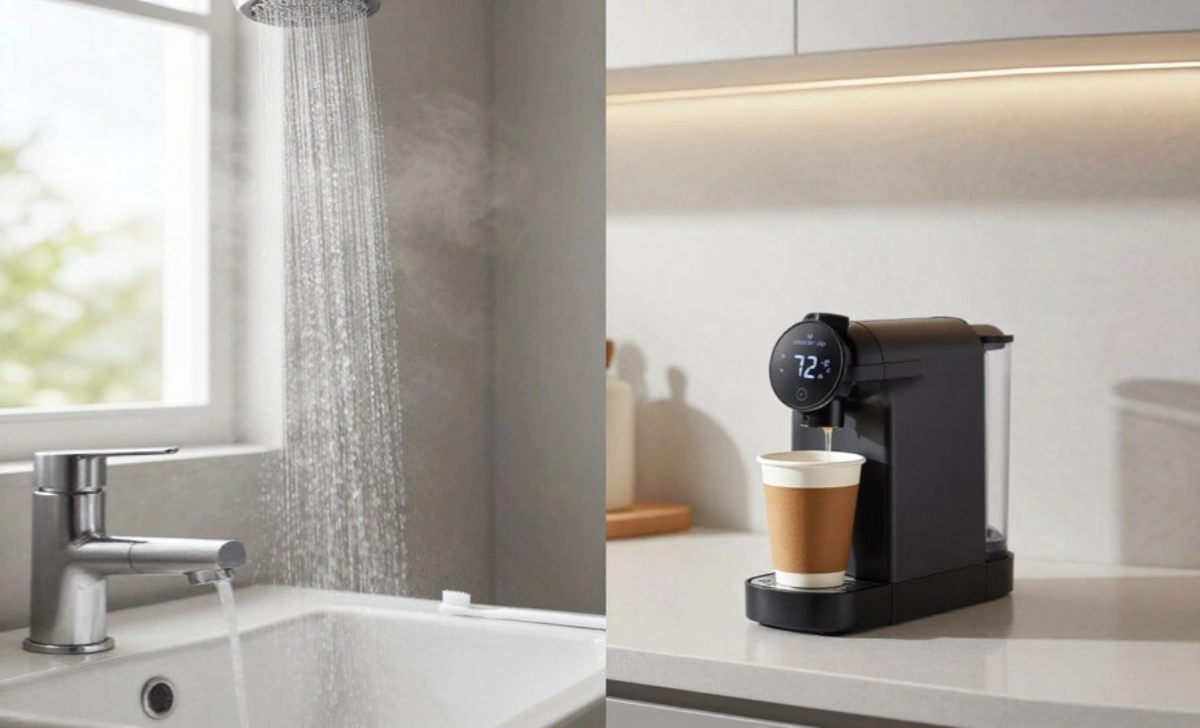
Billions of single-serve coffee pods are thrown away annually in the United States. Most contain a mix of plastic and aluminum that most municipal recycling programs won’t accept. If you use one pod every morning, you’re personally adding 365 of these to landfill each year — and that’s before accounting for the energy cost of brewing one small cup at a time.
Practical alternatives that don’t require compromise:
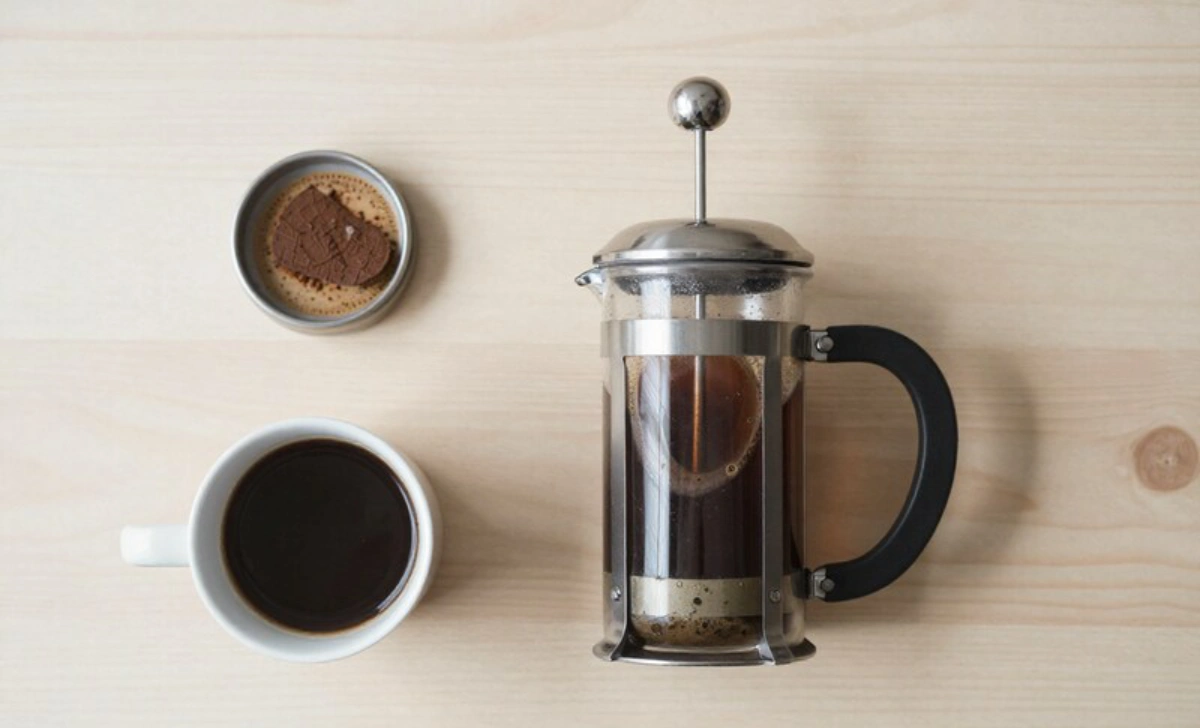
- French press or pour-over. Both produce excellent coffee, eliminate packaging waste entirely, and cost less per cup than pods. A decent French press runs $20–$35 and pays for itself quickly.
- Whole beans in bulk. Pre-ground coffee loses flavor compounds within days of grinding. Buying whole beans in a resealable bag and grinding fresh improves taste while cutting packaging waste.
- Drip maker with a reusable filter. If you prefer automatic brewing, a standard drip machine with a permanent metal filter produces far less waste than any pod system.
The environmental case for switching isn’t abstract. The manufacturing, shipping, and disposal footprint of single-use pods is significantly higher than any of the alternatives above, for the same cup of coffee.
Your Bathroom Products Are Building Up in Waterways
Leaving the tap running while brushing your teeth wastes roughly 4 gallons per session, per EPA estimates. Over a year, that’s nearly 1,500 gallons for one person. Turning off the tap takes zero extra time and costs nothing.
Beyond water, the bathroom is where most households generate their heaviest daily plastic output:
- Liquid body wash and shampoo come in plastic bottles that take centuries to break down in landfills.
- Americans discard hundreds of millions of shampoo bottles annually — a figure cited repeatedly by packaging waste researchers, though industry-wide totals vary by source.
Straightforward swaps:
- Bar soap and shampoo bars. Modern formulations work as well as liquids. One bar typically replaces multiple plastic bottles.
- Toothpaste tablets or powder in glass containers. These eliminate single-use plastic tubes. The texture takes a few days to adjust to, then becomes normal.
A note on microplastics: the US banned plastic microbeads from rinse-off cosmetics in 2015. The current concern is nano-plastic particles from plastic packaging that enter water systems over time — another reason to shift toward glass, aluminum, or bar formats where possible.
For more sustainable wellness practices worth building into daily life, this self-care guide for resilient habits covers several that complement a lower-impact morning.
Your HVAC Is Running Long After You’ve Left the House
Most households keep the thermostat set to a fixed temperature year-round. In practice, that means your heating or cooling system is actively running during your morning routine — and often for a while after you leave — without being adjusted for either.
In winter, your body generates heat through movement while cooking and showering. The heater works against that. In summer, your AC fights the humidity from your shower and the heat from cooking. Neither situation requires the system to run at full strength.
What actually helps:
- Program a departure setback. Set your thermostat to begin adjusting 30 minutes before you leave. Dropping from 72°F to 68°F in winter, or raising from 72°F to 76°F in summer during your working hours, reduces HVAC energy use meaningfully without affecting comfort during your active morning.
- Open the bathroom window while showering. Natural ventilation handles humidity without the exhaust fan. This works in most climates outside of extreme cold.
- Smart thermostat. If you don’t have one, devices like Nest or Ecobee automate this scheduling based on your patterns. For renters without control over the central system, a programmable window unit or space heater with a timer achieves a similar effect.
Breakfast Has a Larger Carbon Footprint Than Most People Assign It
Food production is one of the largest contributors to greenhouse gas emissions globally. Beef and dairy sit at the top of that scale. A breakfast heavy in animal protein — bacon, eggs, cheese — carries a significantly higher carbon cost than a grain or plant-based alternative, based on lifecycle analysis research from institutions including Oxford’s Food Climate Research Network.
Food waste compounds the problem. According to USDA estimates, US households waste roughly 30–40% of their food supply. Breakfast staples — bread, produce, dairy — are among the most commonly discarded categories.
Practical changes that reduce both impact and waste:
- Shift toward plant-based breakfasts several days a week. Oatmeal, whole-grain toast with nut butter, or smoothies with frozen fruit are lower-impact, cheaper, and faster to prepare than cooked meat-based meals.
- Batch prep on Sundays. A large pot of oatmeal portioned into containers, or a week of breakfast burritos stored in the freezer, eliminates daily cooking energy use and prevents spoilage waste.
- Buy less, more often. Stockpiling produce leads to spoilage. A shorter shopping cycle reduces what ends up in the bin. Store herbs in water, wrap leafy greens in a damp cloth, and keep tomatoes at room temperature to extend what you do buy.
The Japanese concept of Hara hachi bu — eating to about 80% fullness — has practical implications here beyond philosophy: smaller portions mean less food purchased, less food prepared, and less food wasted.
How to Start: A 4-Week Transition Plan
You don’t need to change everything at once. The changes above stack, and the compounding effect over a year is significant — but only if you actually implement them. Here’s a realistic pace:
- Week 1: Reduce shower time to 5 minutes. Use a phone timer.
- Week 2: Switch from coffee pods to a French press or drip maker with a reusable filter.
- Week 3: Turn off the tap while brushing. Swap one liquid soap product for a bar version.
- Week 4: Program your thermostat for a departure setback. Adjust one breakfast per week to a plant-based option.
Track what you actually skip. Pods not used. Plastic bottles are not bought. Gallons not heated. The numbers become visible quickly, and visible progress tends to stick.
The Japanese manufacturing concept of Kaizen — continuous improvement through small, consistent changes — applies directly here. You are not trying to be perfect. You are trying to be slightly better each week until the better version is just how you operate.
Your morning routine shapes your day. These choices, compounded across millions of households, shape more than that. The good news is that the highest-impact changes cost nothing and take no extra time. That’s a rare combination. Start with one this week.