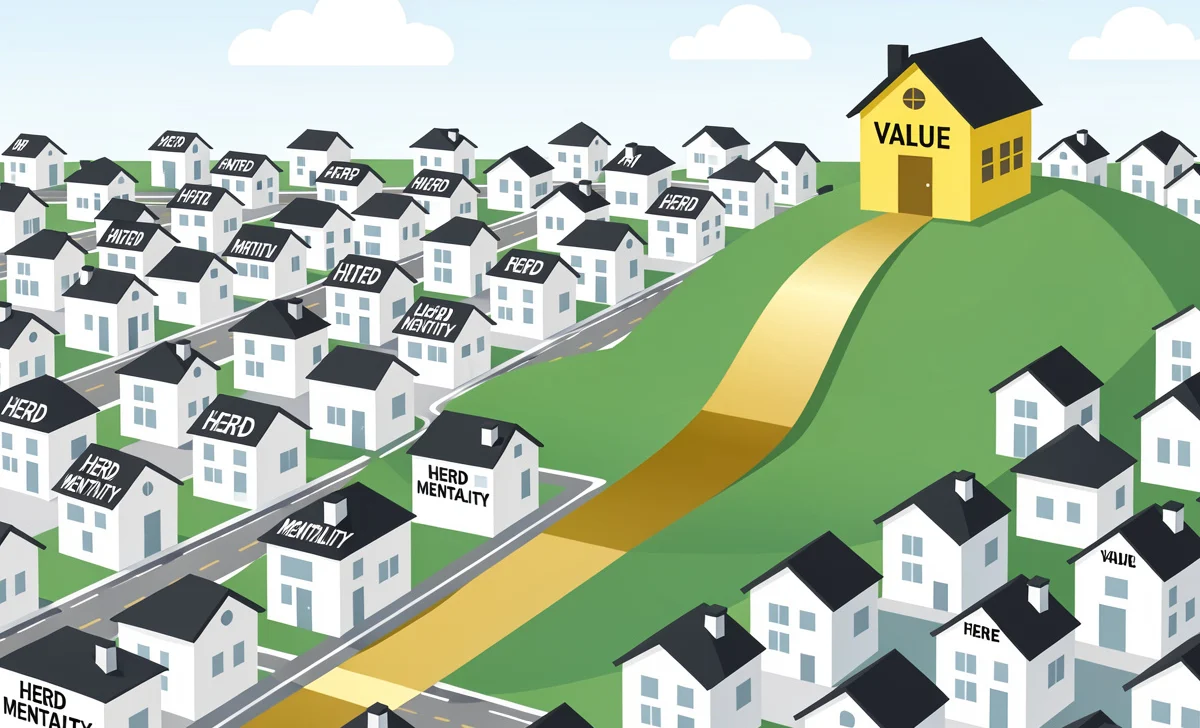
Finding the perfect home is a big decision. It’s not just about the looks. It’s about finding a place that fits your lifestyle, needs, and budget.
When looking for a home, there are important things to think about. Knowing these key points will help you make a smart choice.
Finding your dream home means looking at several important things. You need to think about the location, the cost, and the features. Each of these is key to deciding if a home is right for you.
Your Home Buying Journey
Before you start looking for a home, it’s important to get your finances in order. You also need to know what you’re looking for in a house.
First, think about what you need and what you can afford. Getting pre-approved for a mortgage is a big step. A buying a house checklist can keep you on track.
Learning about home-buying tips can make things easier. It helps you know what to expect and how to prepare.
With a solid foundation, you’ll feel more confident as you look for your new home.
Location: The Most Critical Factor to Consider When Looking for a Home to Live
The location of your home is more than just an address. It’s a key factor in determining your quality of life. Several critical aspects come into play when evaluating a location.
Shopping, Healthcare, and Recreation Access
Accessibility to shopping, healthcare facilities, and recreational areas is vital. A location with nearby amenities can enhance your living experience. It provides convenience and reduces commute times.
For instance, having grocery stores, pharmacies, and parks within walking distance or a short drive away can significantly improve your daily routine.
The character and social environment of a community can greatly affect your lifestyle. Factors such as local culture, community events, and the overall atmosphere of the neighborhood play a significant role. They determine how much you enjoy living there.
A community that aligns with your preferences and values can make your home feel more welcoming.
Potential Impact on Property Values
The location of your home can also impact its value over time. Factors such as the quality of local schools, crime rates, and the condition of nearby properties can influence property values.
Investing in a location with positive trends and stable property values can be a wise decision.
Changes to Neighborhood Dynamics
It’s also important to consider any changes that might be occurring in the neighborhood. New developments, changes in local businesses, or shifts in the community’s demographics can all impact your living experience.
Staying informed about local developments can help you anticipate and adapt to these changes.
In conclusion, the location of your home is a multifaceted factor. It encompasses various aspects, from practical accessibility to the intangible qualities of a community.
By carefully considering these elements, you can make an informed decision. This decision can enhance your quality of life.
Financial Considerations: The Second Essential Factor
Starting your house hunt means looking at the money side of things. Knowing what to consider can make a big difference. It affects your financial health and how happy you’ll be with your home.
Monthly Utility Costs in Different Home Types
Think about the monthly bills for different homes. Bigger homes or ones with fancy features use more energy. This means higher bills. On the other hand, newer homes might cost less to run.
When you look at homes, remember to include these costs. It helps you see the full picture of what you’ll spend.
Another important thing is saving for home repairs. These costs can surprise you and change based on the home’s age and shape. Saving a bit each year can prevent money troubles when repairs pop up. Aim to save 1% to 3% of your home’s price each year.
Thinking about these money matters when you’re looking for a home is smart. It helps you choose wisely and stay on track with your financial plans.
Property Features: The Third Crucial Element
Looking at property features is key to finding the right home. The state and type of systems and structures greatly affect your life and the property’s value.
HVAC, Plumbing, and Electrical Considerations
Checking a home’s HVAC system is essential. A good HVAC system keeps you comfortable and saves on energy. The plumbing system’s condition is also important; watch for leaks or outdated fixtures.
The electrical system must support your needs. Look for enough outlets and GFCI protection in kitchens and bathrooms.
Also, consider the age and condition of parts. Older homes might have outdated systems that could cause problems later. Knowing this can help you talk about price or ask for repairs.
Roof, Foundation, and Structural Elements
The roof, foundation, and structure are vital for a home’s stability. Check the roof for damage and wear around chimneys and vents. The foundation should be free of cracks and water damage.
Other parts like walls, floors, and ceilings should be checked for damage. This careful look helps you avoid expensive fixes later. It ensures your new home is safe and comfortable for years.
Timing Your Purchase in the Real Estate Market
Knowing when to buy a home is key to a good investment. Several things matter, like interest rates, market trends, and the season. These all play a role in your decision.
Interest rates change with the economy, affecting your mortgage. The market can be either good for buyers or sellers, changing how you negotiate. The season also affects home availability and competition.
By thinking about these factors, you can make a smart choice about when to buy. This could save you a lot of money. Keeping up with the market helps you time your purchase right.
Conducting Thorough Home Inspections
A thorough home inspection is key when buying a home. It helps you make a smart choice. It can show problems with the property that you might not see right away. This can save you from expensive surprises later.
To do a good home inspection, start by looking at the property’s overall state. Check the roof, foundation, and walls for damage. Look for signs of water damage, pests, or repairs needed.
It’s also important to check the electrical, plumbing, and HVAC systems. Make sure they work well.
You can do a quick check yourself, but getting a professional home inspector is better. They can spot things you might miss. They give you important tips for buying a home.
By using your own checks and a professional inspection, you get a full picture of the property. This helps you make a better choice when buying.
Building Your Real Estate Support Team
Creating a solid real estate team is key to handling the complex home-buying journey. This team should include experts like a real estate agent, a mortgage broker, and a home inspector. They offer important advice and support.
When picking your team, look at their experience, reputation, and how well they communicate. A good real estate agent can find homes that fit your needs and negotiate the best price. A mortgage broker helps get the best financing options.
With a skilled team, you’ll have a smooth transaction. You’ll also make informed choices during the home-buying process.
Conclusion
Finding your ideal home is all about balance. You need to think about location, money matters, and what the property offers. By weighing these, you can choose a home that fits your life and makes you happy.
When looking for a home, being well-prepared is key. Know what you want and need. This article can help you find a home that matches your lifestyle and dreams.
With the right balance of location, money, and property features, you can find your perfect home. This makes your search for a home a fulfilling journey.