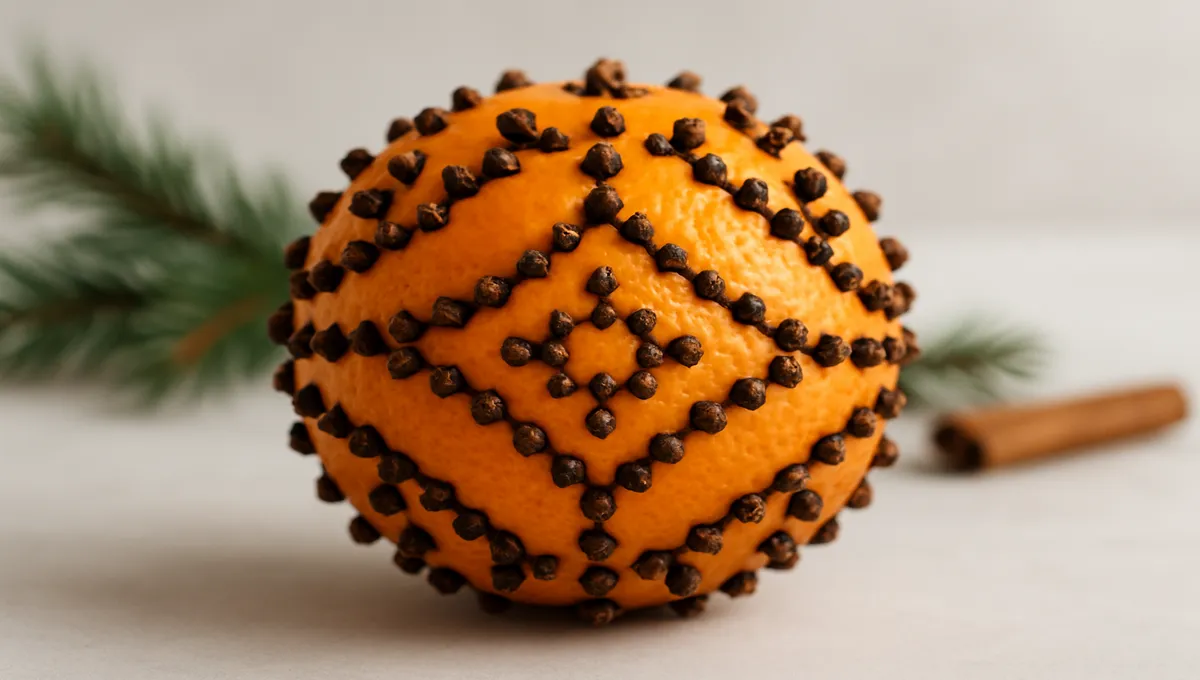
That clove-studded orange on your mantel? It once stood between life and death.
Every holiday season, we press cloves into oranges, filling our homes with spicy-citrus scent. We hang these fragrant balls on ribbons and give them as gifts. But hardly anyone realizes they’re continuing a 600-year-old tradition that once offered protection against plagues, evil spirits, and invisible dangers. This is the surprising story of how a medieval survival tool became a beloved holiday tradition—and why this simple orange pomander still captivates us today.
When Scent Was a Shield: The Plague Years
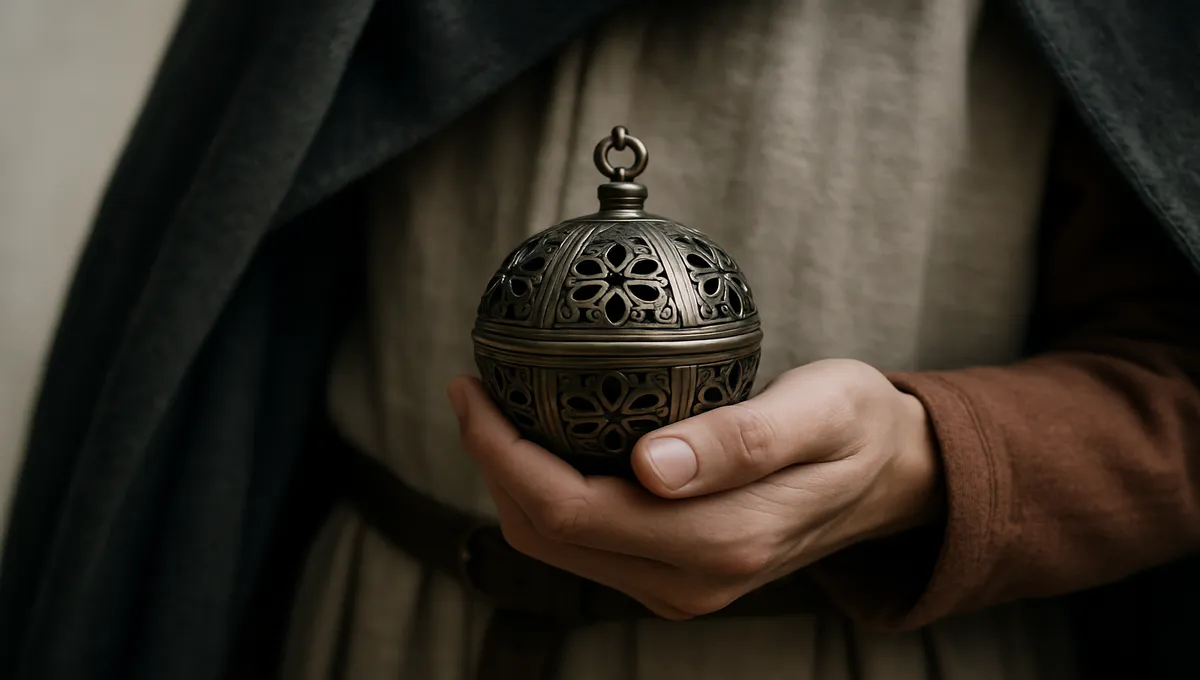
In the 1300s, death seemed to travel on the wind. The Black Death wiped out entire communities, and physicians believed foul air—called “miasma”—spread disease. People would carry perfumed balls called pomanders, believing strong scents could purify corrupted air.
But the wealthy had silver and gold pomander cases filled with ambergris and rare musk. Ordinary people had to improvise. Someone discovered that oranges—expensive but available—and cloves—imported at great cost—created a powerful fragrance that lasted for weeks. The orange acted as a natural container, slowly releasing its scent as it dried, while cloves provided a spicy, cleansing aroma.
What began as desperation became tradition. By the 1500s, even those who could afford metal pomanders often preferred the orange version. The act of making them became ritualistic—each clove pressed with intention, creating patterns that might have held symbolic meaning for protection.
More Than Decoration: The Secret Language of Pomanders
Long after the plagues faded, the pomander’s meaning evolved. It became a symbol of good luck, health, and protection against negative energy. In some cultures, the patterns of cloves weren’t just decorative—they formed stars, crosses, or other symbols thought to offer spiritual protection.
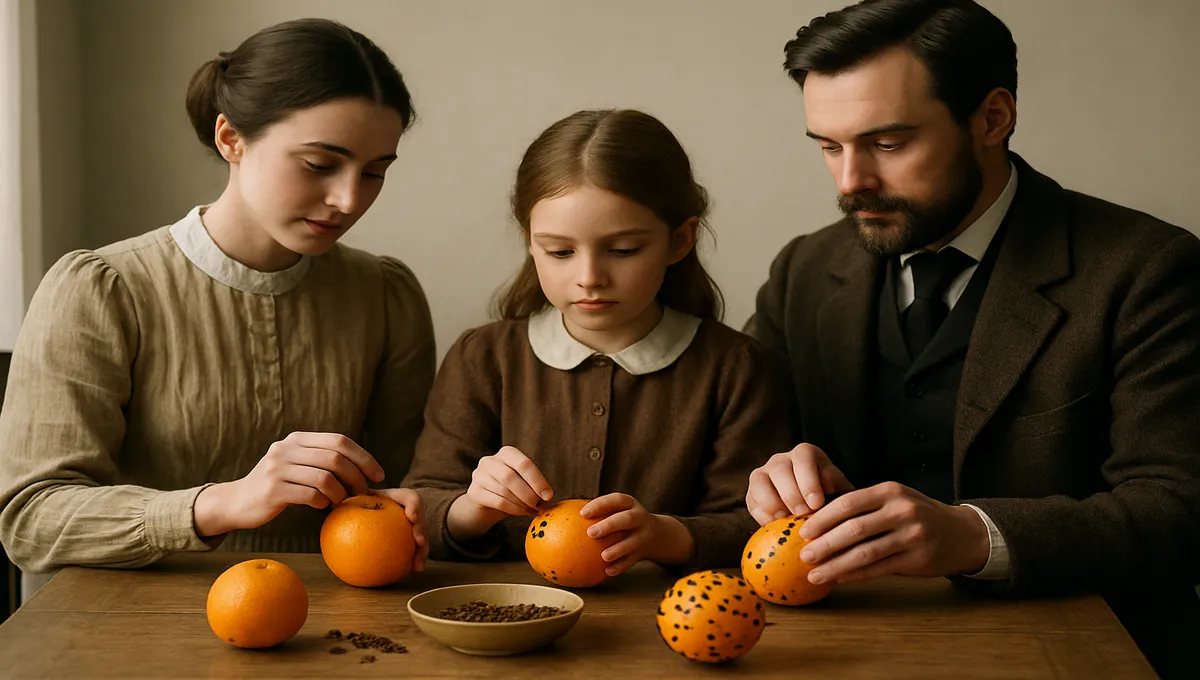
During the Victorian era, the tradition transformed completely. As citrus fruits became more affordable, pomander-making shifted from practical protection to sentimental craft. Families would gather during the winter holidays to create them together, the activity becoming as important as the finished product.
The pomander had journeyed from medical tool to spiritual symbol to holiday tradition—each layer adding depth to the practice we continue today.
The Science Behind the Magic: Why This Combination Works
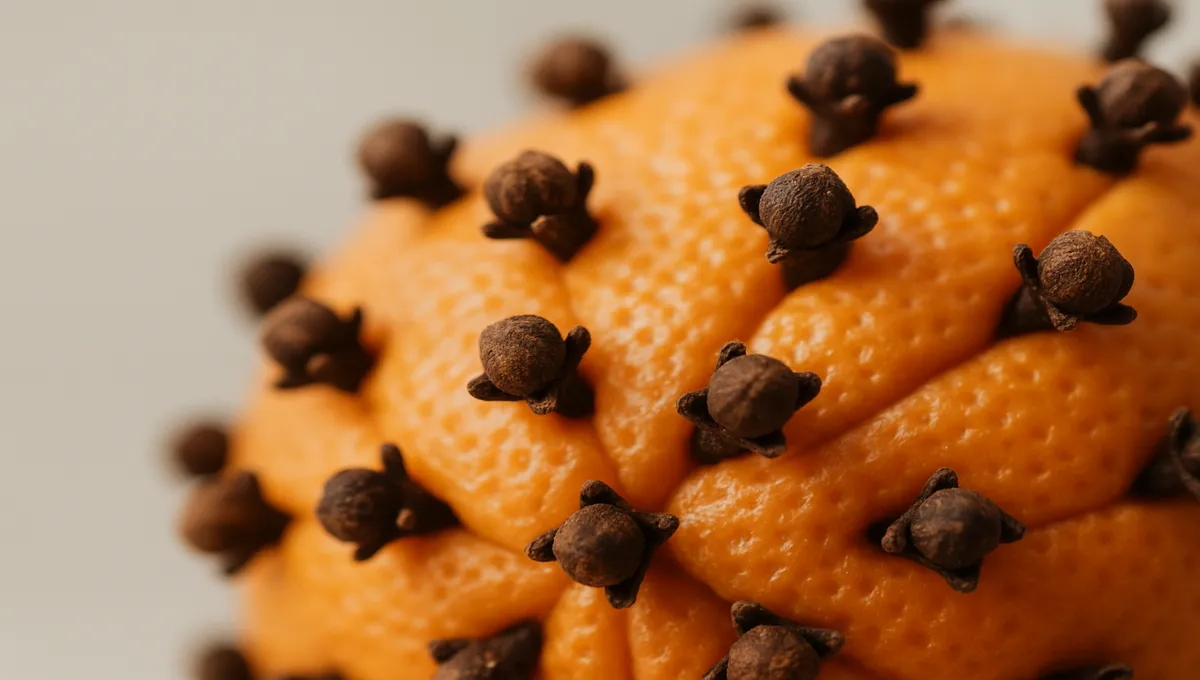
There’s actual chemistry explaining why orange and clove feel so satisfying together. Oranges contain limonene, a compound shown to reduce stress and boost mood. Cloves contain eugenol, which has mild antiseptic properties and creates that warm, spicy scent we find comforting.
When you pierce an orange with cloves, you’re essentially creating a natural diffuser. The punctures release the orange’s essential oils, while the cloves slowly emit their own fragrance. As the orange dries, the scent intensifies and changes, becoming richer and more complex.
Modern research confirms what our ancestors sensed—citrus scents can increase alertness while spice notes promote feelings of comfort and security. This combination literally plays with our nervous system, both energizing and calming us simultaneously.
Why Your Grandmother’s Tradition Feels More Relevant Than Ever
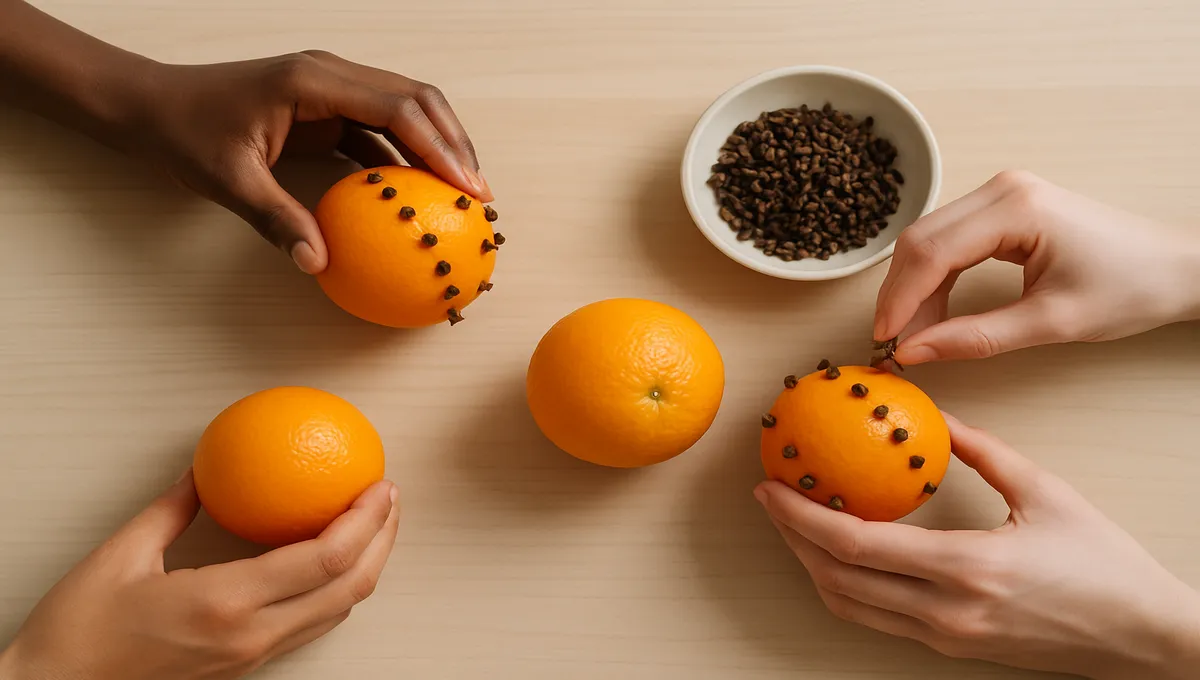
In our age of digital overload and environmental concerns, this ancient practice offers unexpected rewards. The slow, methodical work of creating a pomander forces us to unplug and be present. There’s no way to rush the process—each clove must be individually placed, creating a natural meditation.
Then there’s the sustainability angle. In a world drowning in plastic decor and synthetic air fresheners, a pomander is completely natural, biodegradable, and plastic-free. It represents a return to simpler traditions that leave no trace beyond memory and fragrance.
But perhaps most powerfully, pomanders connect us to generations past. When your hands press cloves into an orange, you’re performing the same actions someone might have done during the 14th-century plagues, or in a Victorian parlor, or in your grandmother’s kitchen. It’s a physical thread through time.
Secrets Your Grandma Never Told You
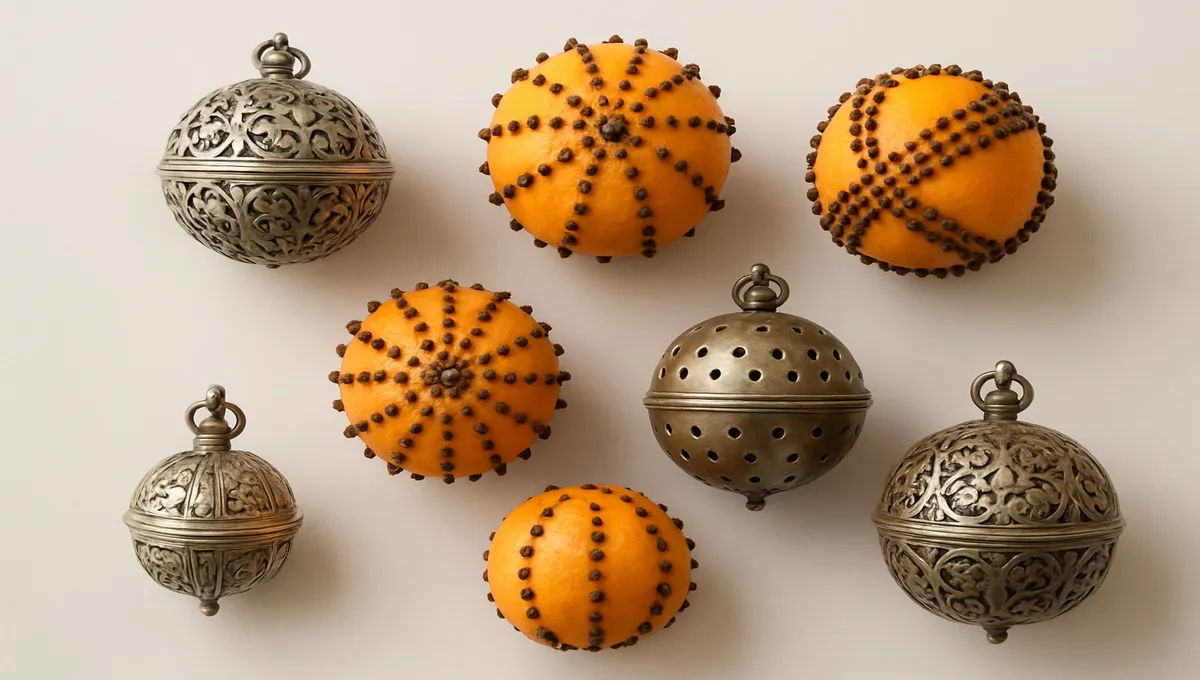
- Status Symbol: In Elizabethan England, displaying a clove-studded orange was like owning expensive perfume—the ingredients could cost a month’s wages for ordinary people
- Global Variations: In the Middle East, similar traditions used local citrus and cardamom; in Asia, some cultures used Buddha’s hand citrus instead of oranges
- Hidden Practicality: The reason pomanders last for years in closets isn’t magic—cloves actually slow decomposition through their antimicrobial properties
- Pattern Meanings: Some families passed down specific clove patterns—stars for protection, circles for eternal love—though most meanings have been lost to time
Creating Your Own Living History
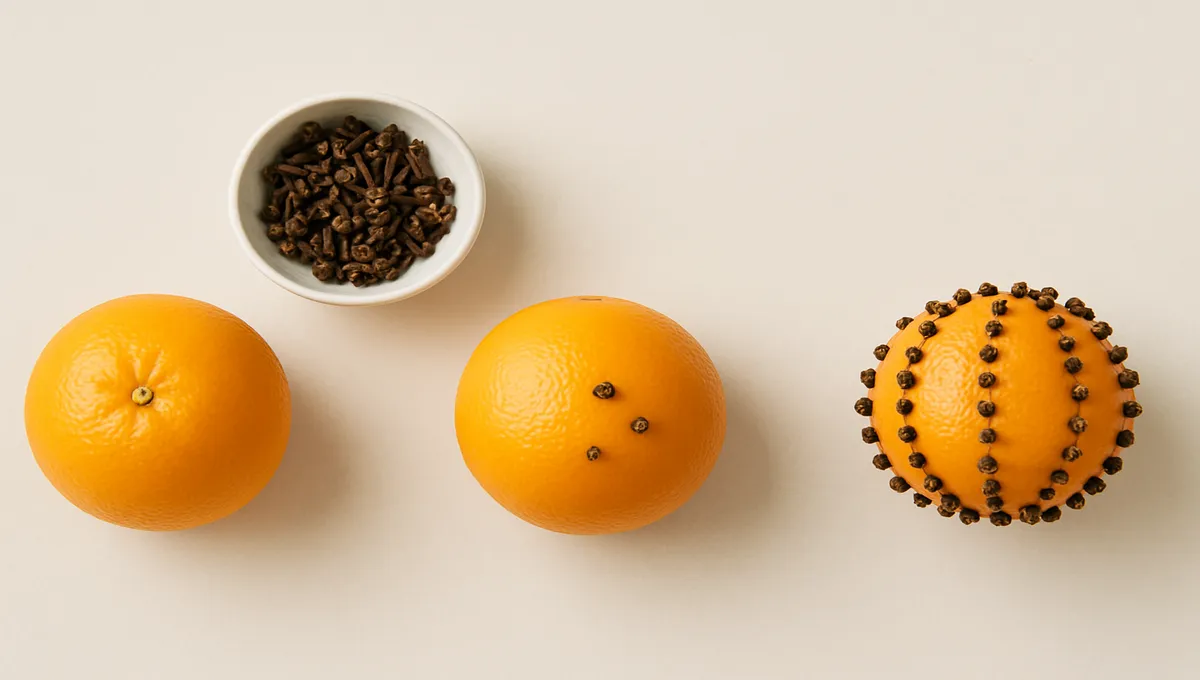
Making a pomander is simple, but these tips can make yours extraordinary:
Choose firm, unblemished oranges with thick skin—they’ll dry more evenly and last longer. Use a toothpick or skewer to pre-poke holes—this prevents finger fatigue and crushed cloves. Consider rolling the finished orange in cinnamon or orris root powder—this enhances the fragrance and helps with preservation.
If you want to hang your creation, run ribbon through the center before adding cloves—it’s much harder afterward. Let it dry in a cool, dark place with good air circulation—this prevents mold while allowing gradual drying.
Most importantly, don’t rush. The process is the point. As you work, notice how the scent fills the room and your hands feel engaged in something ancient and meaningful.
More Than Just a Holiday Craft
There’s something quietly revolutionary about continuing this tradition today. In a world of disposable everything, the pomander represents durability—both physical and cultural. A well-made pomander can outlast the holiday season, slowly releasing its story along with its scent.
When we make pomanders today, we’re not just decorating—we’re remembering. We’re participating in a chain of human experience that connects plague survivors, Victorian families, our grandparents, and future generations. We’re asserting that some traditions deserve to evolve but not disappear.
That humble clove-studded orange on your mantel carries centuries of hope, fear, creativity, and resilience. It represents humanity’s endless capacity to find beauty and protection in nature’s simplest gifts.
Ready to create your own piece of living history? Share your pomanders with #FragrantHistory and join generations of crafters who’ve found meaning in this simple act.
Frequently Asked Questions
How long do clove oranges last?
Properly dried clove oranges can remain fragrant for months or even years. They gradually harden and shrink but maintain their scent. Display them in well-ventilated areas away from direct heat to extend their life.
Can you eat the orange after using it as a pomander?
While technically safe, the orange becomes bitter and tough as it dries. The cloves penetrate deep into the fruit, making it unpalatable. Most people enjoy their pomanders for fragrance and decoration rather than consumption.
What’s the best way to dry pomanders?
Place finished pomanders in a paper bag in a cool, dark spot with good air circulation. Turn them weekly until hardened (2-4 weeks). Adding drying agents like orris root powder or cinnamon can speed the process.
Why do some pomanders have patterns while others are completely covered?
This is mostly aesthetic, though historically some patterns may have held symbolic meaning. Fully-cloved oranges have stronger fragrance and dry faster, while patterned ones showcase creativity and may include personal or cultural symbols.
Can I use other fruits besides oranges?
Absolutely! Apples, lemons, and even pomegranates work well. Each fruit offers different drying characteristics and fragrance profiles. Experiment to find your favorite combination.
Do pomanders really repel pests?
The strong scent can deter some insects like moths and fruit flies, making them popular for closet and pantry use. However, they’re not a substitute for serious pest control where infestations exist.