To build a brand community, start by inviting your 100 most loyal customers to a private space — Discord, a Facebook group, or a paid platform like Circle. Give them exclusive value they can’t get elsewhere, run weekly engagement rituals, and track retention and referral rates quarterly to measure impact.
Most business owners spend heavily on ads to acquire new customers — then watch 60–80% of them never buy again. You stay stuck in a cycle of paid acquisition while the retention problem quietly compounds.
The fix isn’t a better funnel. It’s a fundamentally different relationship with your most loyal customers.
This guide walks you through the Fanquer framework — a seven-step system for building a brand-owned customer community that drives retention, referrals, and consistent revenue. You control the environment, the conversation, and the growth. It takes less than five hours a week to run, and you can start with zero budget.
What Is a Fanquer?
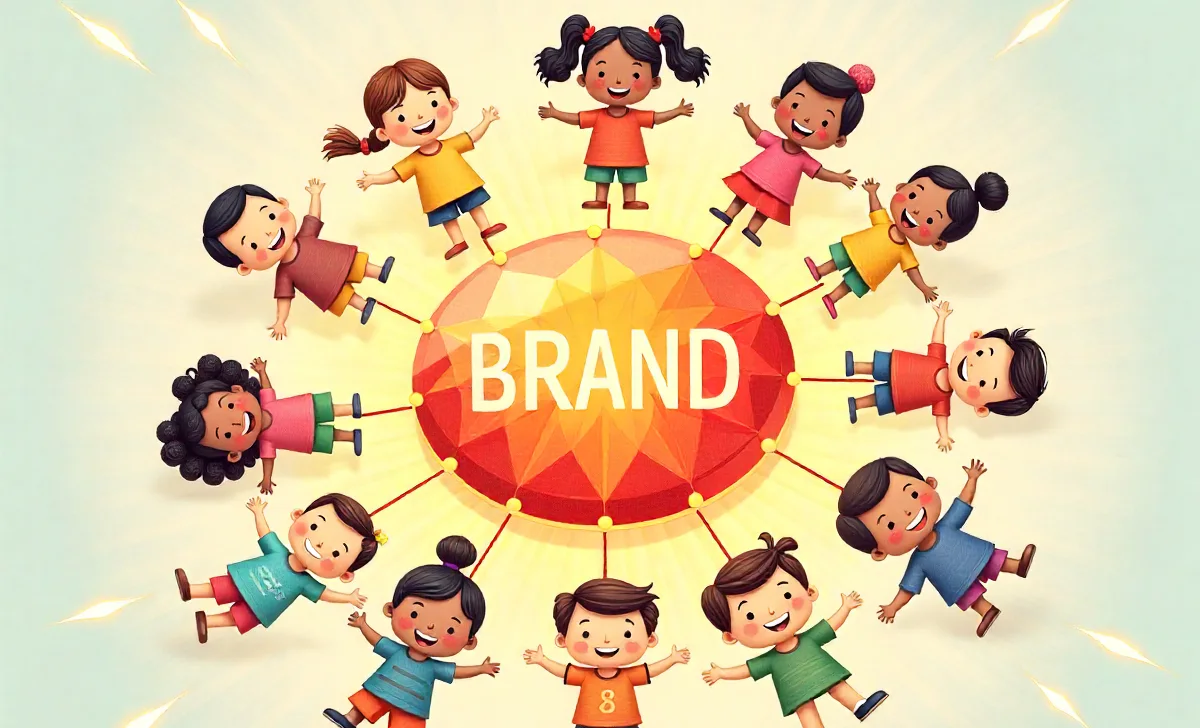
A Fanquer (from “fan” + “conquer”) is a curated, brand-owned micro-community of your most loyal customers. Unlike a generic social following, it operates as a two-way channel: members co-create value, get exclusive access, and actively advocate for your brand.
The difference from a general community is the purpose. A hobby Facebook group exists mainly for peer-to-peer connection. A Fanquer is built by the brand to hit specific business outcomes: higher retention, increased customer lifetime value (CLV), and organic advocacy. You’re not just hosting — you’re an active participant with a clear goal.
Brands that build these deliberately tend to see higher retention and referral rates, meaningfully compared to non-member customers. The mechanism is straightforward: people who feel invested in a brand buy more, leave less, and recruit others.
The Core Mindset Shift: From Broadcast to Circle
Most marketing runs on a broadcast model. You push messages to a wide, passive audience. Engagement stays shallow — likes, occasional shares — and algorithm changes can cut your reach overnight.
A Fanquer flips that. You have direct, two-way conversations in a space you own. Your audience is active, known by name, and contributes to your brand’s direction.
The goal isn’t a million loosely connected followers. It’s 100, 500, or 1,000 people invested enough that they provide reliable revenue, genuine feedback, and referrals you didn’t have to pay for.
The 7-Step Fanquer Framework
Step 1: Define Your Purpose and Identify Your First 100 Members
Start by finishing this sentence: “My Fanquer exists to ____.”
Maybe it’s to give loyal customers early access to new products. Maybe it’s to run a mastermind for top-tier clients. That answer drives every decision after it.
Next, profile your ideal member: who they are, what they care about, and where they spend time online.
Then build your First 100 list manually. Go through your existing customers, most engaged email subscribers, and most active social followers. Look for people who already show loyalty — not just buyers, but people who are positive, constructive, and aligned with your brand. Send each of them a personal, one-to-one invitation.
These 100 people set the culture for everything that follows. Choose carefully. A noisy founding group creates a noisy community that never recovers.
Step 2: Choose the Right Platform for Your Stage
Your platform should match your current size and capacity — not your aspirations.
| Platform | Best for | Cost |
|---|---|---|
| WhatsApp / Telegram | Simple, mobile-first communities needing high immediacy | Free |
| Discord | Niche, engaged communities with real-time sub-channels | Free to start |
| Private Facebook Group | Lower barrier to entry; members are already there | Free (you don’t own the audience) |
| Circle | Purpose-built for brand communities: forums, events, courses | Paid plans — check current pricing |
| Mighty Networks | Courses + community combined | Paid plans — check current pricing |
Start simple. A free Discord server or private Facebook group is a solid testing ground. Migrate to a dedicated paid platform once you have 150 or more active members and need more structure.
One note on Facebook Groups: organic reach has declined significantly over the past few years. It still works for some audiences, but if your members are under 35, Discord or a dedicated platform will likely see higher engagement.
Step 3: Build Your Exclusive Value Ladder
People join because they expect something they can’t get anywhere else. Give them a consistent reason to stay.
Tier 1 — Public layer: Blog posts, social content, awareness-level material. Anyone can access this.
Tier 2 — Fanquer core: Live Q&As, behind-the-scenes content, exclusive downloads, early access to sales, members-only newsletter. This is where your community lives.
Tier 3 — Paid premium tier: Cohorts, masterminds, one-on-one office hours, advanced resources.
The value at Tier 2 must be consistent and original — not recycled public content renamed as exclusive. If members sense they’re getting leftovers, they leave, and they don’t come back quietly.
Step 4: Launch a Core Engagement Ritual
A community without a predictable rhythm dies quietly between bursts of activity.
Build your ritual calendar before you open the doors:
- Weekly: “Win of the Week” thread where members share progress
- Bi-weekly: Live AMA or short webinar
- Monthly: Challenge, co-working session, or member spotlight
- Quarterly: Roundtable with the founder
These aren’t optional extras — they’re the structure that keeps the community alive. The discipline of showing up on schedule signals to members that this is a real investment on your part, not a project you’ll abandon in 90 days.
If you’re also building out your team at this stage, the guide on where to start when scaling your team covers how to delegate community management without losing the personal touch that makes a Fanquer work.
Step 5: Activate User-Generated Content
Your most credible content won’t come from you. It will come from members.
The goal here is outward-facing: content members create that markets your brand to people outside the community.
- Feature member stories and case studies in the community feed
- Run contests for the best tips, product photos, or results
- Build a “Hall of Fame” channel for member wins
- Let your most active members lead discussions or host their own sessions
When someone’s story lives in your community, they stop being just a customer. They’re part of the brand’s narrative. That shift in identity is what drives organic referrals.
Step 6: Build a Feedback and Co-Creation Loop
This step is inward-facing: using the community as a direct line to your most valuable critics.
- Ask members for input on product names, new features, or design decisions before you commit.t
- Pilot new ideas with this group before a public launch
- When you implement their suggestions, acknowledge the members publicly — by name
This builds a sense of ownership that no ad campaign can replicate. Members who influenced a product decision have a stake in its success. They’ll tell people about it.
This is especially valuable early in your business, when poor foundational decisions compound quickly — the same principle covered in this breakdown of business plan mistakes that derail growth.
Step 7: Measure What Actually Matters
Vanity metrics — follower counts, likes, post impressions — won’t tell you if your Fanquer is generating a return. Track these four instead:
- Retention rate: Do Fanquer members renew or repurchase at a higher rate than non-members? A meaningful gap here is the primary signal that the community is working.
- Customer lifetime value (CLV): Average revenue from a Fanquer member versus a regular customer.
- Referral rate: How many new customers come directly from member referrals?
- Active participation rate: What percentage of members engage each week? Community practitioners generally consider 20–30% a healthy baseline for a tight-knit group.
Track these quarterly in a simple spreadsheet. Tag Fanquer members separately in your CRM from day one so you can pull this data cleanly. Without that tagging, the comparison is impossible, and you’re flying blind on ROI.
Five Mistakes That Kill Fanquers Early
1. Inviting everyone too fast. A noisy, low-engagement group feels spammy and sets the wrong culture. Stick to your First 100 strategy and grow intentionally.
2. Treating it as a broadcast channel. Follow an 80/20 rule: 80% of posts connect members or deliver value, 20% can be promotional. The moment members feel like they joined a mailing list, they go quiet.
3. Launching without a ritual. A community with no structure feels dead between spontaneous conversations. Plan your first month’s engagement calendar before you open the doors.
4. Choosing a complex platform too early. Paying for a dedicated community platform before you’ve validated engagement with 100+ active members wastes budget and adds friction for both you and your members.
5. Not tracking business impact. Tag Fanquer members in your CRM from day one and track their purchase behavior separately from your general customer base. Scaling a community that isn’t generating measurable returns is one of the most common growth mistakes brands make — and one of the hardest to recover from once momentum fades.
What Success Actually Looks Like
The clearest signal that your Fanquer is working: members start answering each other’s questions and defending your brand’s value without you asking. They’ve taken ownership. They see themselves as part of the brand’s story, not just its audience.
That’s when the community stops being something you manage and starts being something that works for you.
This won’t happen in 30 days. Building it takes consistent effort over months. But 12 months in — when your retention rate has climbed, your referral pipeline runs without ad spend, and your most loyal customers are actively recruiting new ones — the return on that effort becomes obvious.
Start today: Write down one sentence finishing “My Fanquer exists to ____.” Then pull a list of your 10 most loyal customers and draft a personal invitation. That’s the whole first week. The rest builds from there.