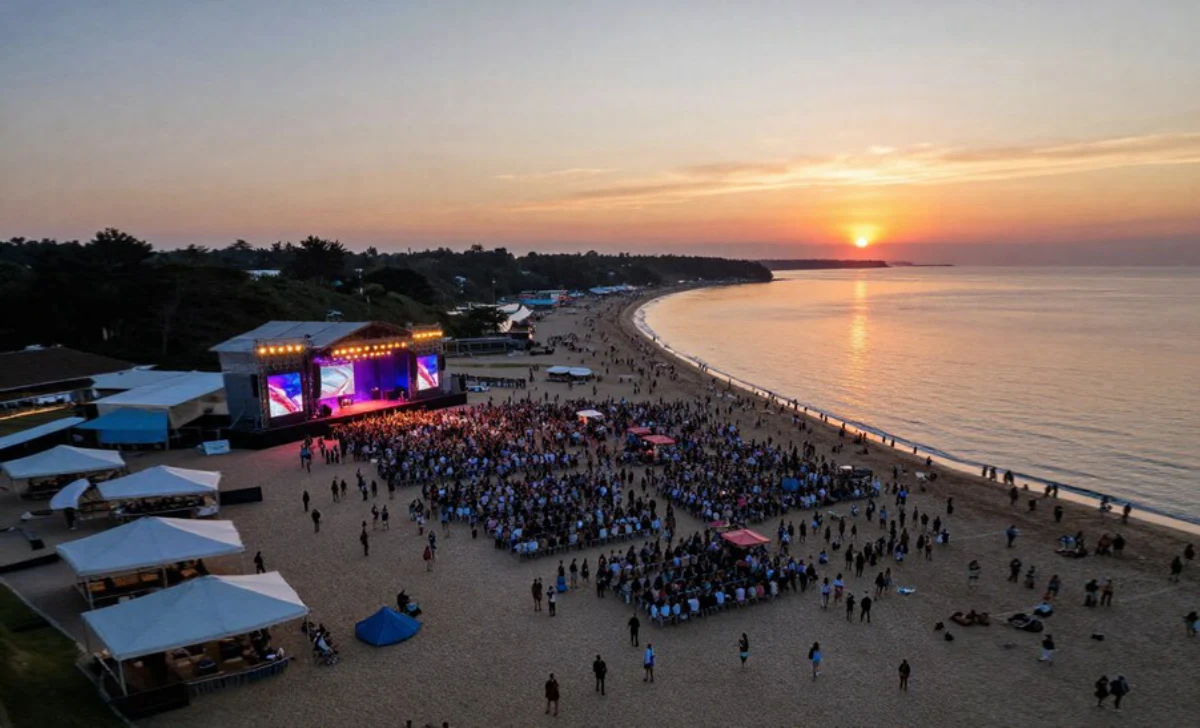
Some concerts don’t just break attendance records—they reshape culture. When millions gather in one place for music, something shifts. We’ve researched the largest concert crowds ever recorded, from 1960s rock festivals to modern pop spectacles, and found that the biggest crowds tell stories about music, economics, and cultural change.
In this guide, you’ll discover the 14 most-attended concerts in history, where they happened, how many people showed up, and why each mattered. Whether you’re a music historian or just curious about how concerts became global phenomena, this breakdown covers everything. And if you’re interested in other major entertainment events shaping 2026, check out the new horror renaissance hitting theaters this year.
What Counts as a Record-Breaking Concert
Not all large concert attendance numbers mean the same thing. A concert becomes historically significant when it combines crowd size with cultural impact. Some records come from free outdoor performances where anyone could show up. Others come from ticketed stadium events with careful capacity management.
The attendance figures included in this list come from official organizer records, historical documentation, and verified media reports. Free concerts tend to draw larger numbers because there’s no barrier to entry. Ticketed events usually see smaller but more engaged crowds. When historians examine record-breaking concert crowds, they ask: Did this event change music? Did it represent a cultural moment?
The Biggest Concerts Ever: 1–14 Ranked
Rod Stewart – Copacabana Beach, Rio de Janeiro (1994)
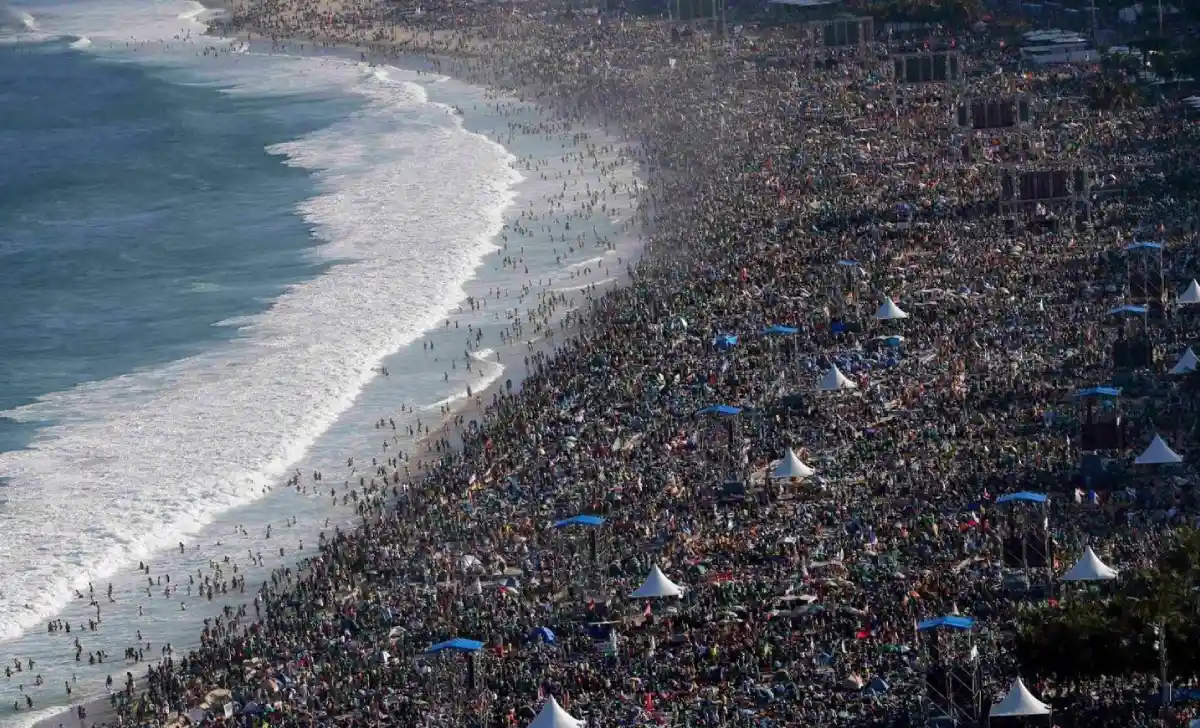
Rod Stewart’s New Year’s Eve performance on Copacabana Beach holds the record for the largest concert attendance ever. On December 31, 1994, an estimated 3.5 million people packed the beach to ring in 1995. This wasn’t a ticketed event—it was free to the public, which explains the staggering numbers.
The performance combined perfect elements: a world-famous artist, a prestigious location, a holiday celebration, and no cost barrier. Rio’s Copacabana Beach proved ideal for maximum attendance. The scale of the crowd was so massive that it set a standard rarely challenged three decades later.
Jean-Michel Jarre – Moscow State University, Moscow (1997)
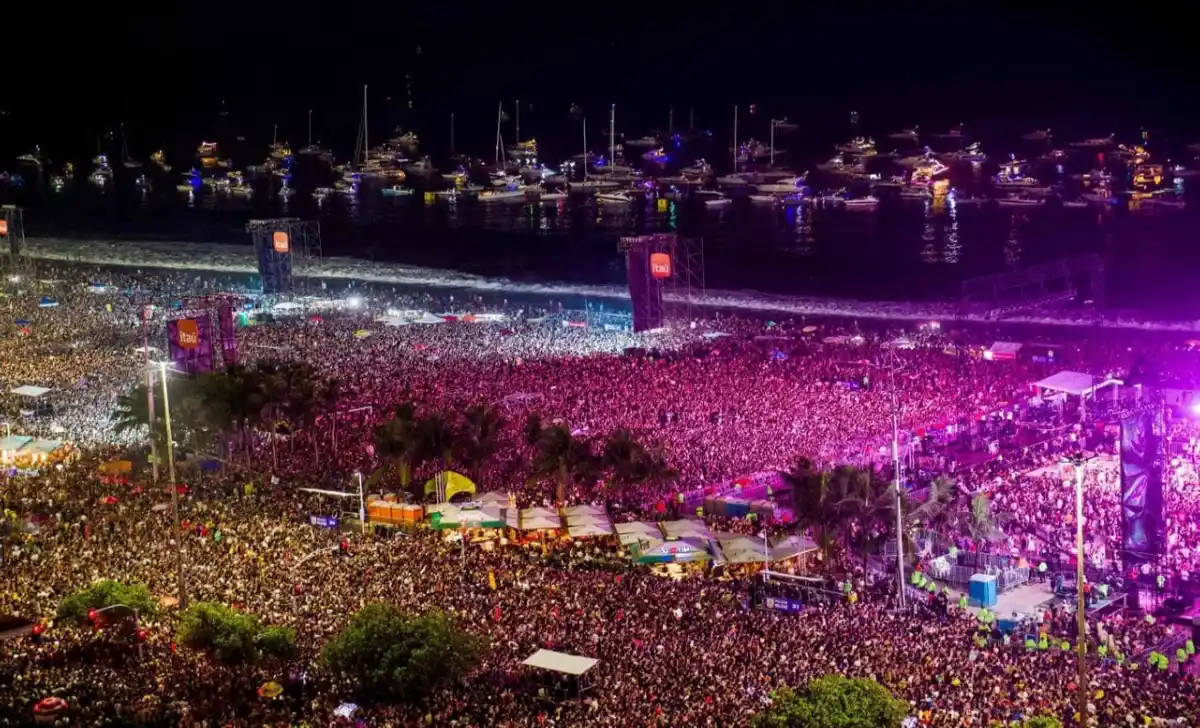
Electronic music pioneer Jean-Michel Jarre drew over 3.5 million people on September 6, 1997, celebrating Moscow’s 850th anniversary. The concert fused music with cutting-edge visuals and multimedia experiences. This performance showed that record-breaking crowds happen around cultural celebrations and technological innovation, not just rock or pop stars.
Jorge Ben Jor – Copacabana Beach, Rio de Janeiro (1993)
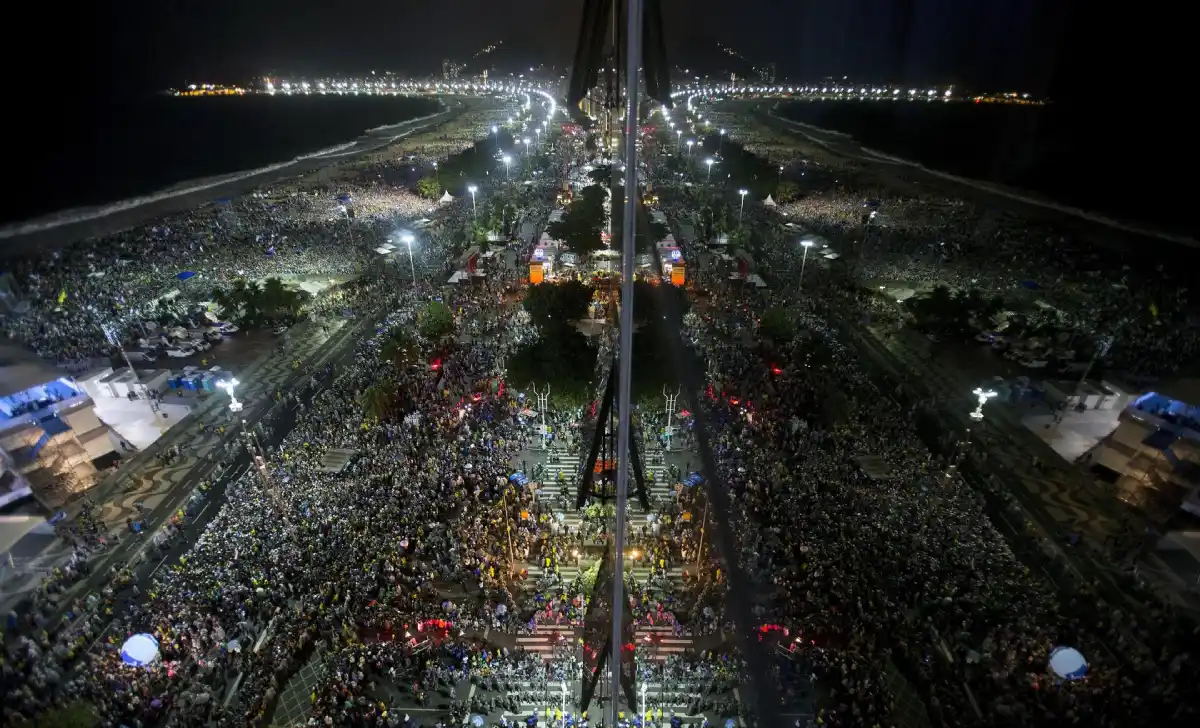
Brazilian music legend Jorge Ben Jor drew 3 million people on New Year’s Eve, December 31, 1993, at Rio’s Copacabana Beach. This celebration of Brazilian music and culture showed that record-breaking attendance wasn’t limited to rock or English-speaking artists. Free performances during holiday celebrations create perfect conditions for record-breaking numbers.
Jean-Michel Jarre – La Défense, Paris (1990)
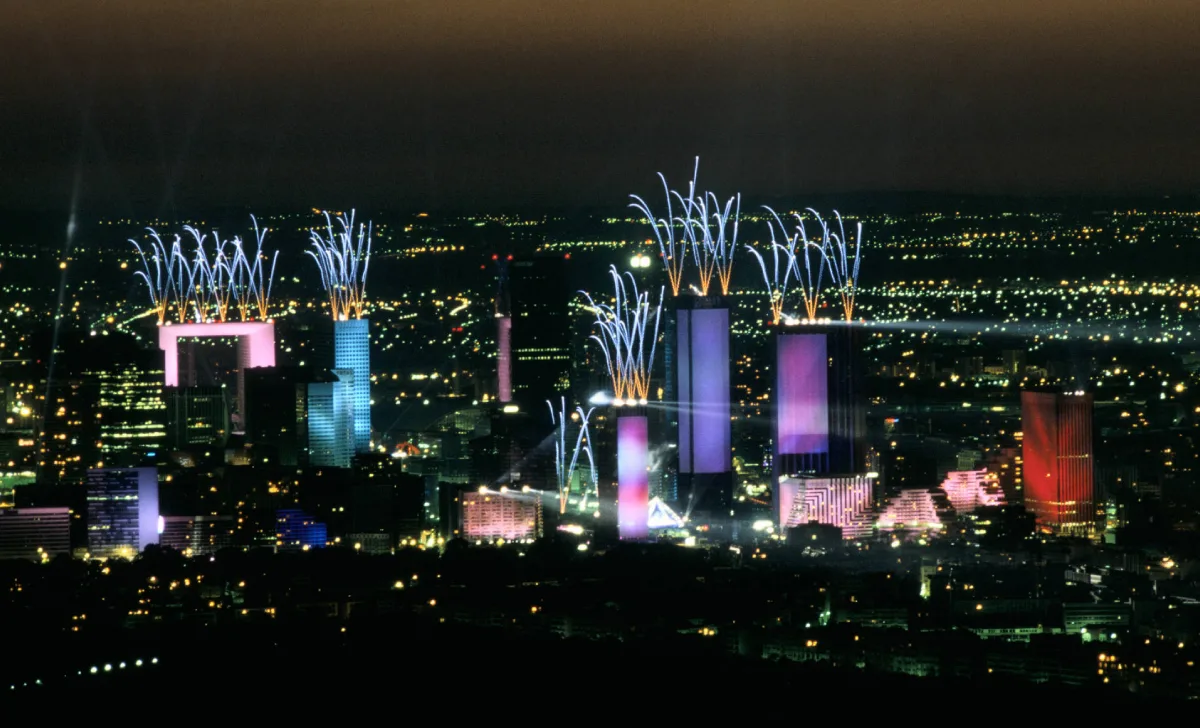
Jean-Michel Jarre’s Bastille Day concert at La Défense on July 14, 1990, drew 2.5 million people. This Paris performance showed how historical moments and national celebrations drive massive attendance. When concerts align with significant commemorations, they tap into something deeper than typical touring shows.
Lady Gaga – Copacabana Beach, Rio de Janeiro (2025)
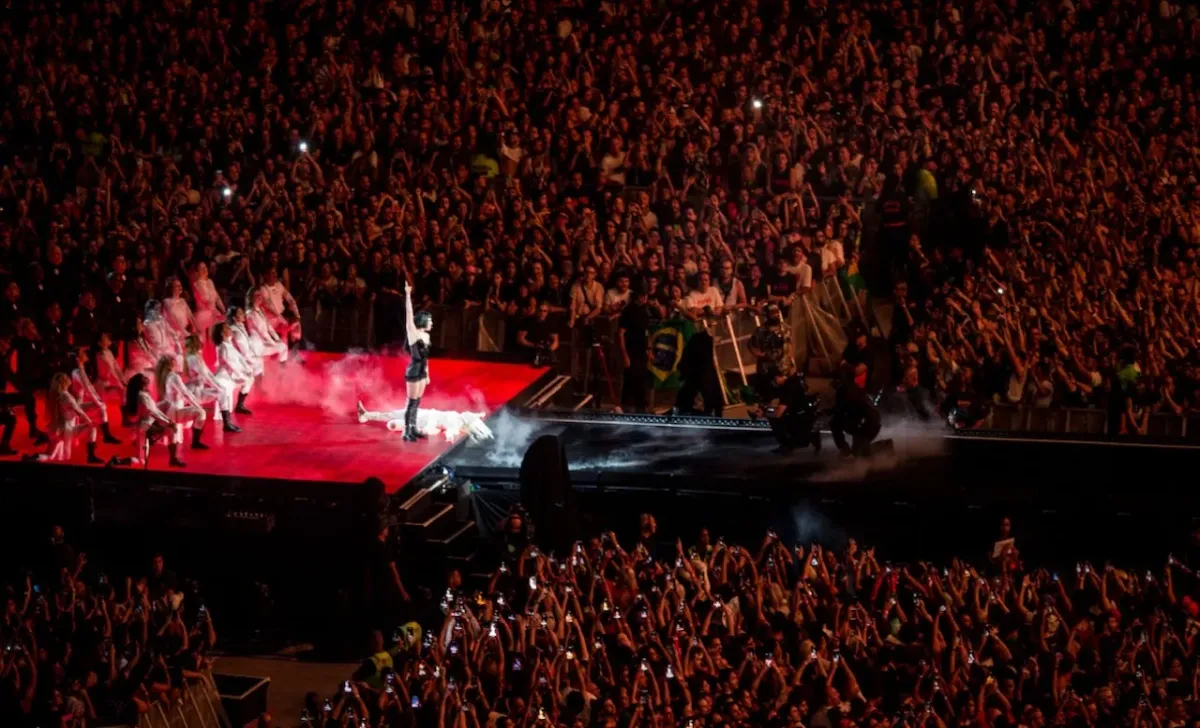
Lady Gaga made history as the most-attended concert by a female artist when 2.1 million people attended her Copacabana Beach performance on May 3, 2025. This recent record shows that contemporary pop stars can still break attendance records, rivaling classic rock legends. Her record demonstrates that female artists are now breaking attendance records historically dominated by male performers.
The Rolling Stones – Downsview Park, Toronto (2003)
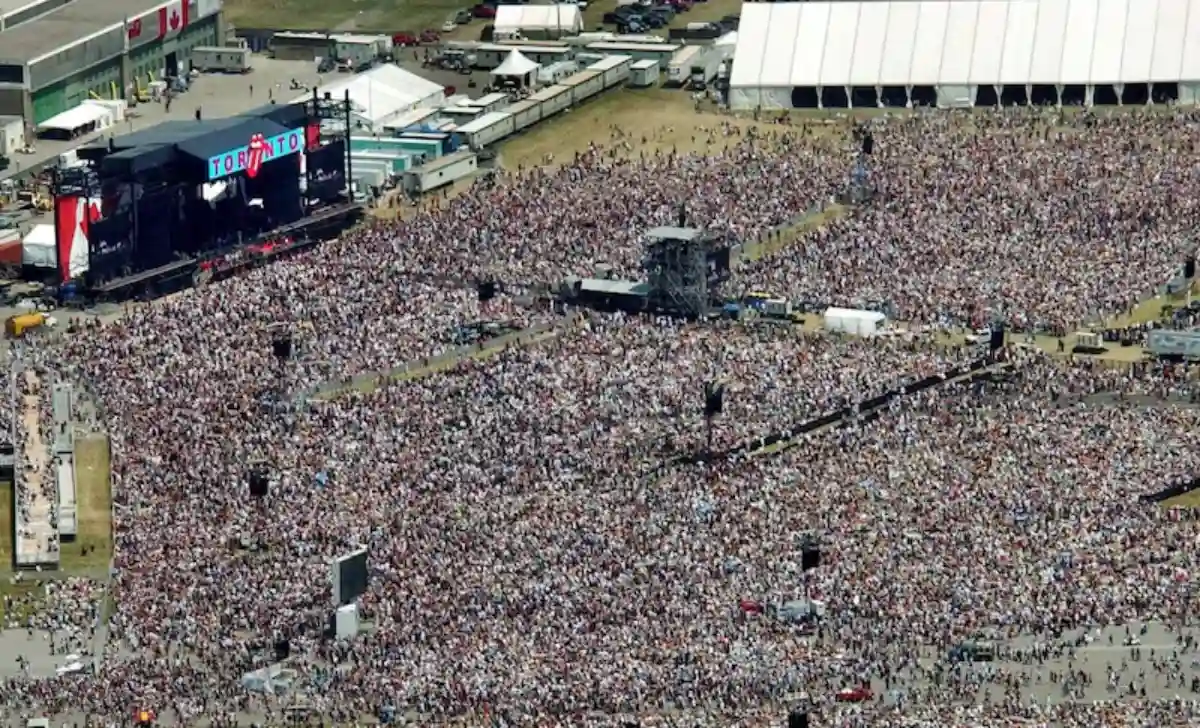
The Rolling Stones drew 2.5 million fans to Downsview Park on July 30, 2003, during their “A Bigger Bang” tour. This free concert demonstrated that legendary bands could still break attendance records decades into their careers. The Stones’ decades of hits and their reputation, combined with free admission and a massive venue, created record-breaking crowds.
Antonello Venditti – Circus Maximus, Rome (2001)
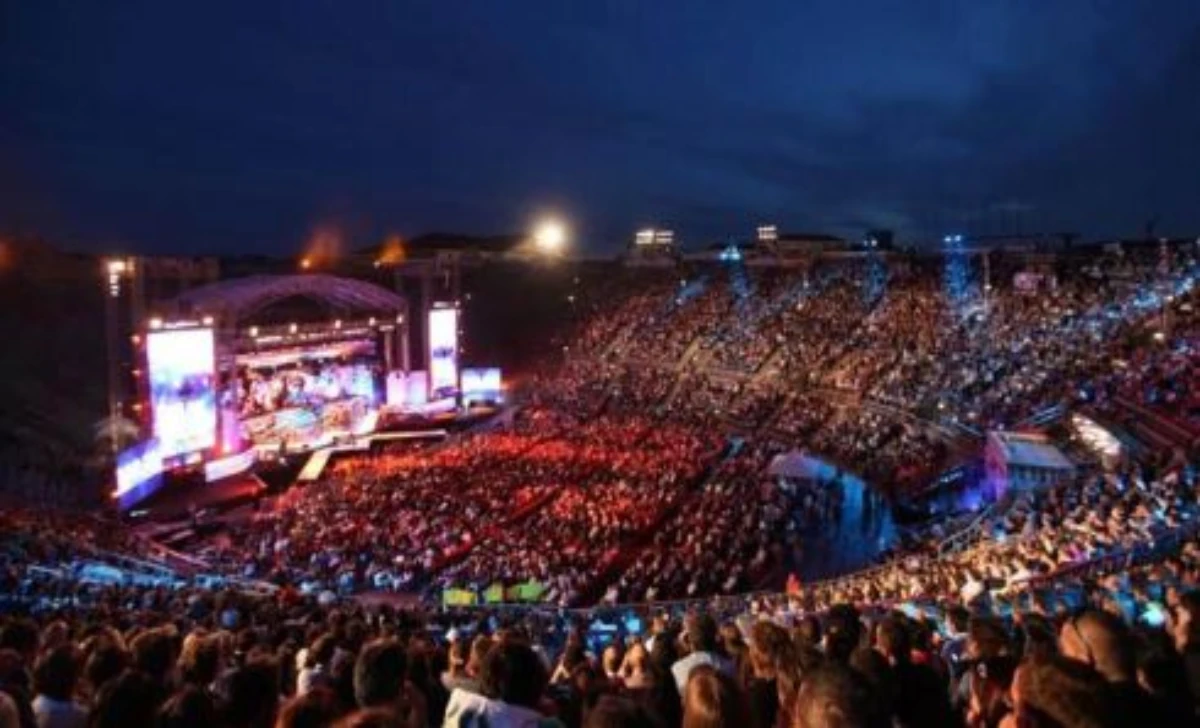
Italian singer-songwriter Antonello Venditti drew 1.8 million fans to Circus Maximus on June 24, 2001, during AS Roma’s Serie A celebration. This concert proved that record-breaking crowds aren’t limited to global superstars. A beloved local artist, a historic venue with symbolic weight, and civic pride combined to create massive attendance.
Monsters of Rock – Tushino Airfield, Moscow (1991)
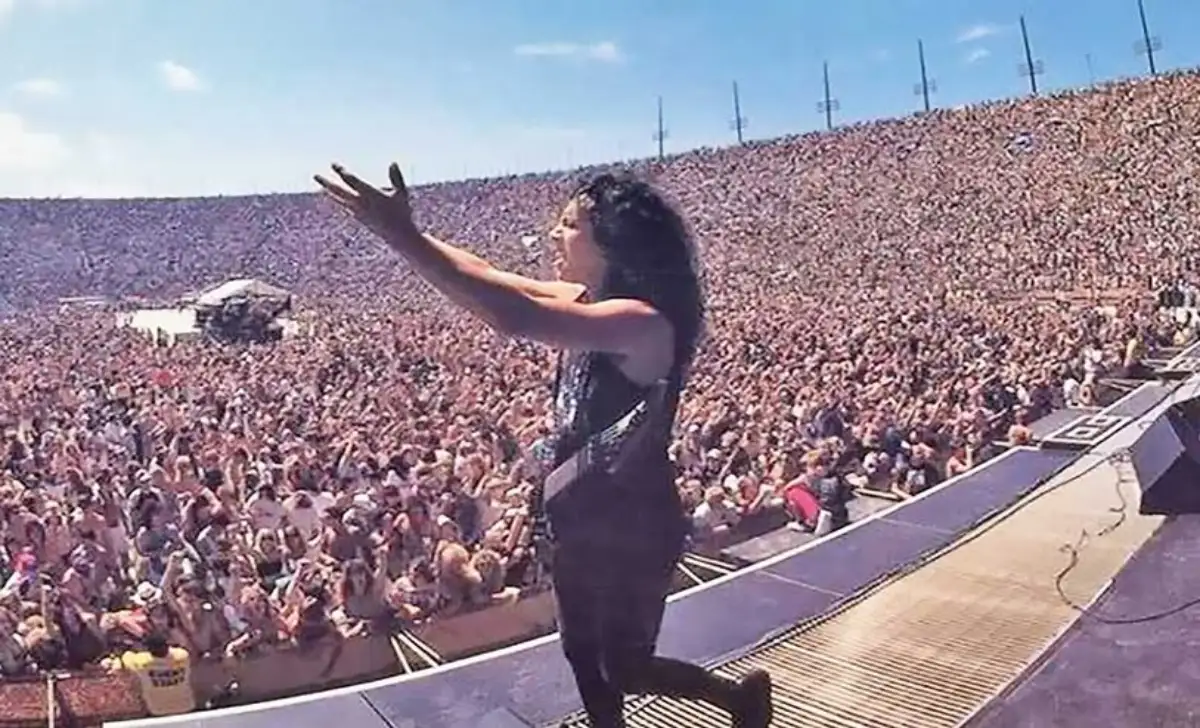
The Monsters of Rock festival on September 28, 1991, drew 1.6 million heavy metal fans. The lineup featured AC/DC, Metallica, Pantera, and others. The concert became a symbol of newfound freedom in Russia after the fall of the Soviet Union. Multiple artists, combined with the right historical moment, created record-breaking crowds when Western music was newly accessible.
Madonna – Copacabana Beach, Rio de Janeiro (2024)
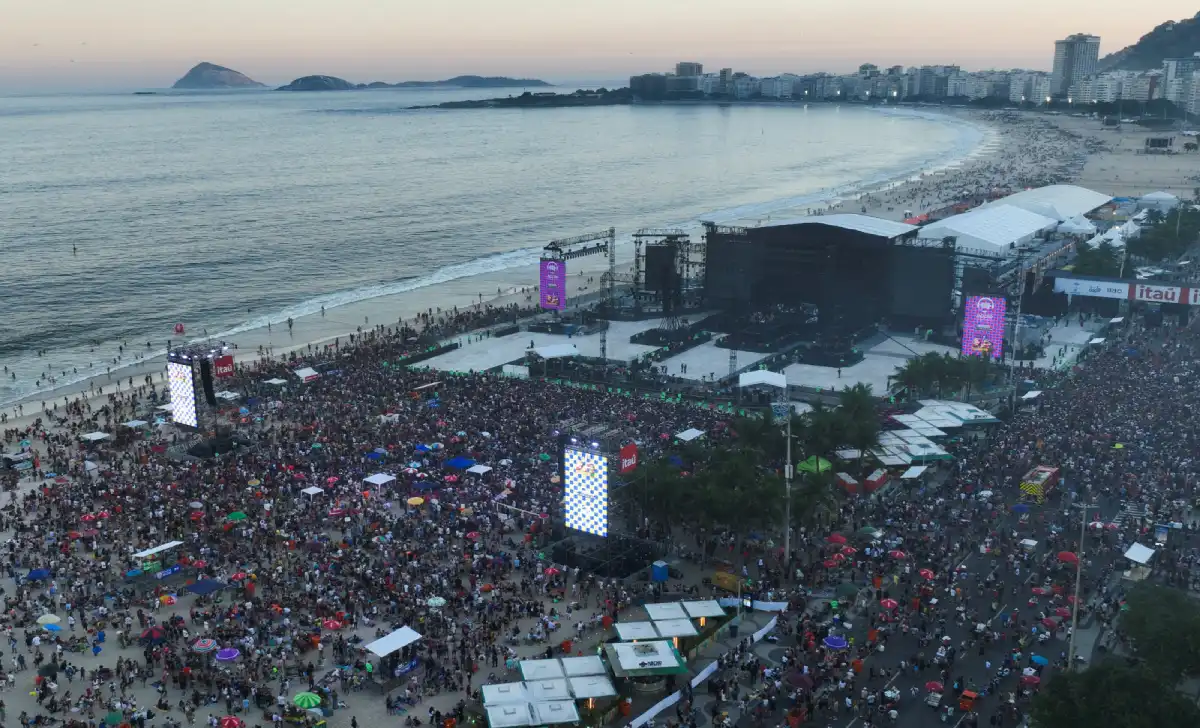
Madonna drew 1.6 million attendees at Copacabana Beach on May 4, 2024, during her Celebration Tour. The pop icon’s extensive catalog of hits and cultural status made this a major event. Her record-breaking show demonstrates that classic pop stars continue to draw massive crowds in the modern era.
Pink Floyd – Berlin Wall Concert, Berlin (1990)
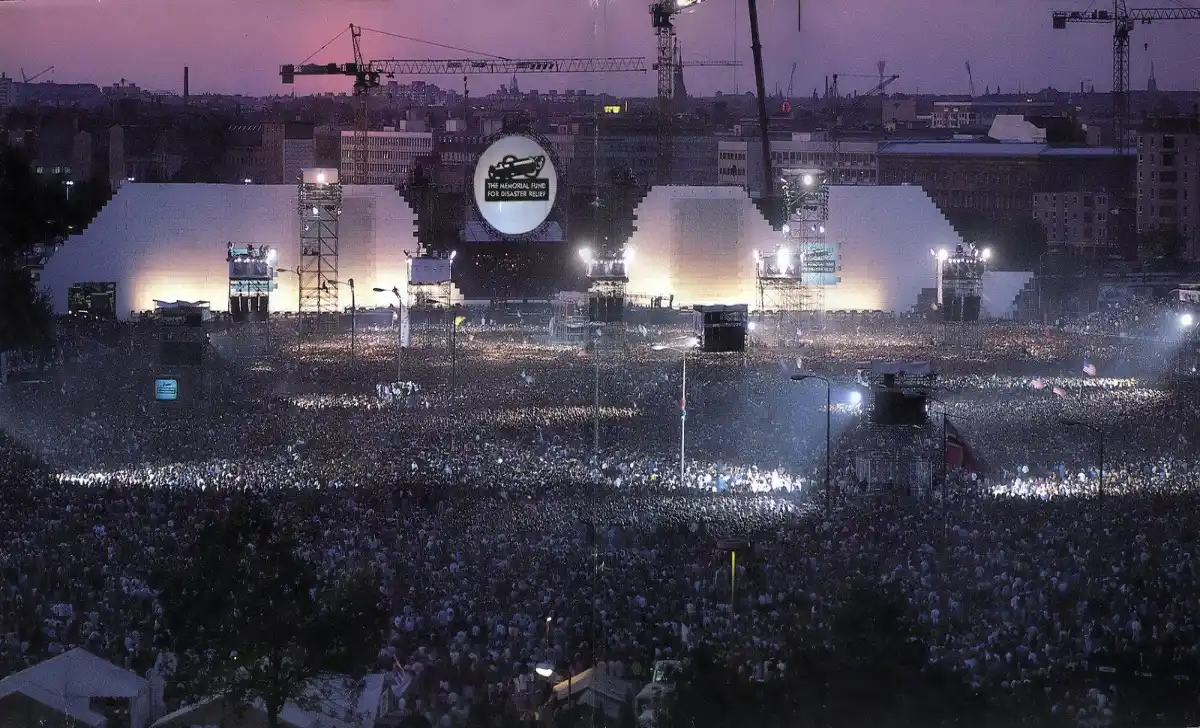
Pink Floyd’s “The Wall” concert on July 21, 1990, drew approximately 500,000 people. The concert took place months after the fall of the Berlin Wall, making it a powerful statement about freedom and the end of the Cold War. Cultural and historical moments drive attendance as much as artist fame.
Woodstock – Bethel, New York (1969)
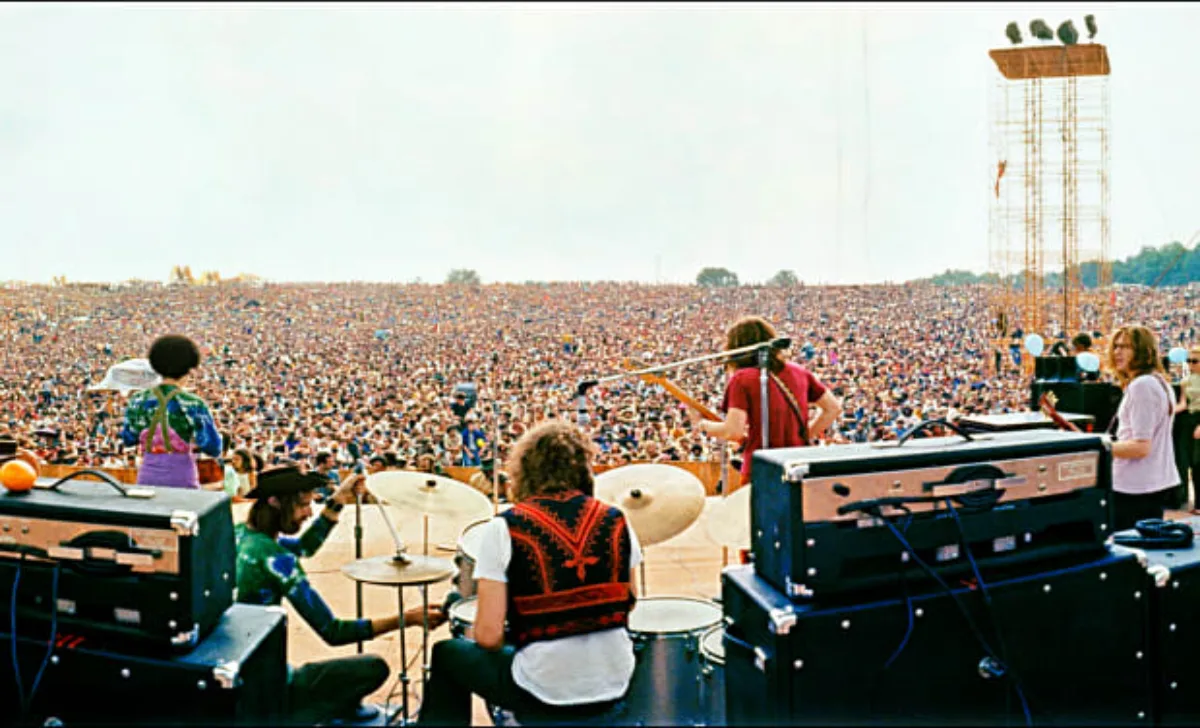
Woodstock 1969 drew nearly 500,000 people and became the defining event of the 1960s counterculture. The festival featured The Who, Janis Joplin, Jimi Hendrix, and countless others. Though not the largest attendance number on this list, Woodstock’s cultural impact rivals any concert ever held. It remains the benchmark against which all music festivals are measured.
Live Aid – Wembley Stadium, London (1985)
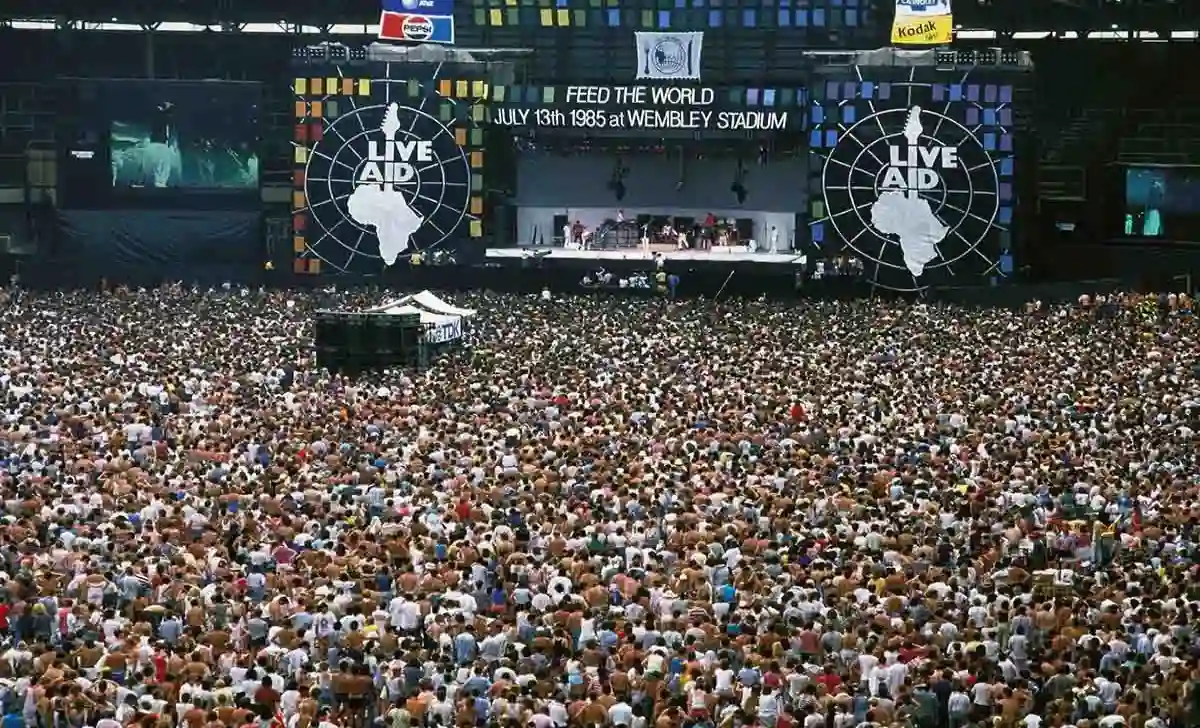
Live Aid on July 13, 1985, drew 72,000 people at Wembley Stadium, but the global broadcast reached millions. The concert raised over $125 million for famine relief and featured Queen, Led Zeppelin, and David Bowie. This proved that a concert doesn’t need the largest in-person crowd to be the most impactful. The charitable mission gave it purpose beyond entertainment.
U2 – The Rose Bowl, Pasadena, California (2009)
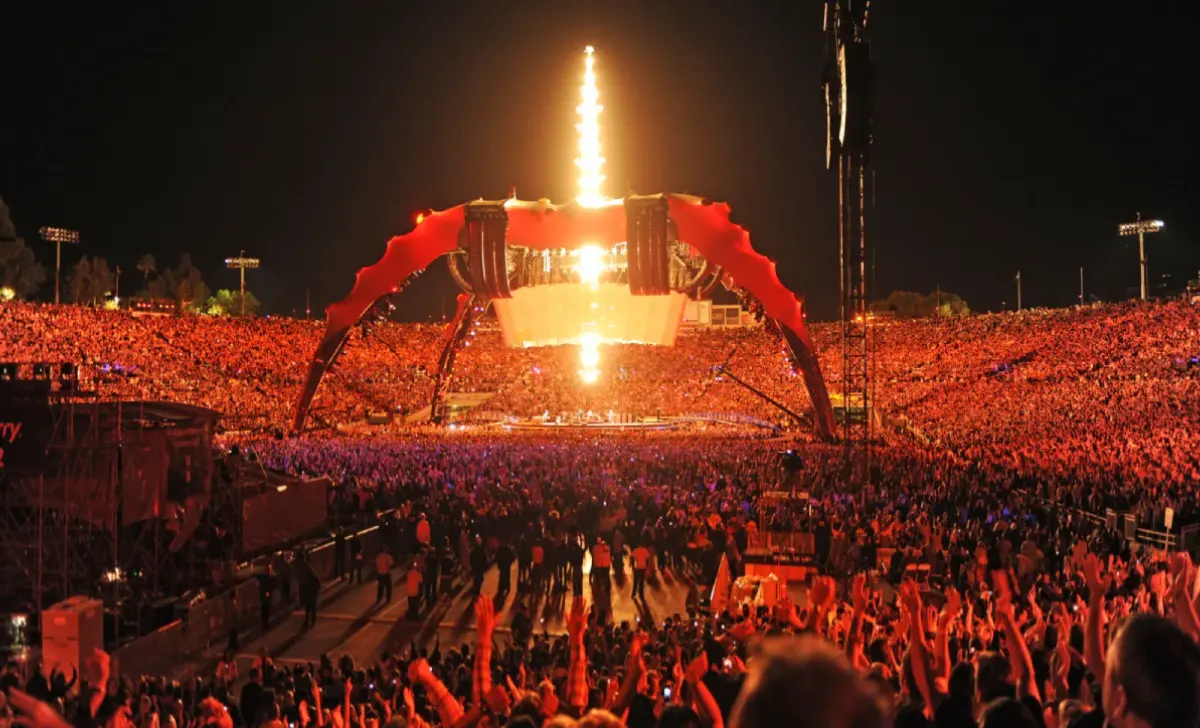
U2’s 360° Tour at The Rose Bowl on October 19, 2009, drew 97,000 fans. The unique 360-degree stage setup allowed fans throughout the arena to get intimate views. This modern approach to stadium touring showed how venue design enhances the concert experience. Attendance records aren’t just about maximizing numbers—they’re about optimizing the experience.
What Made These Concerts So Big
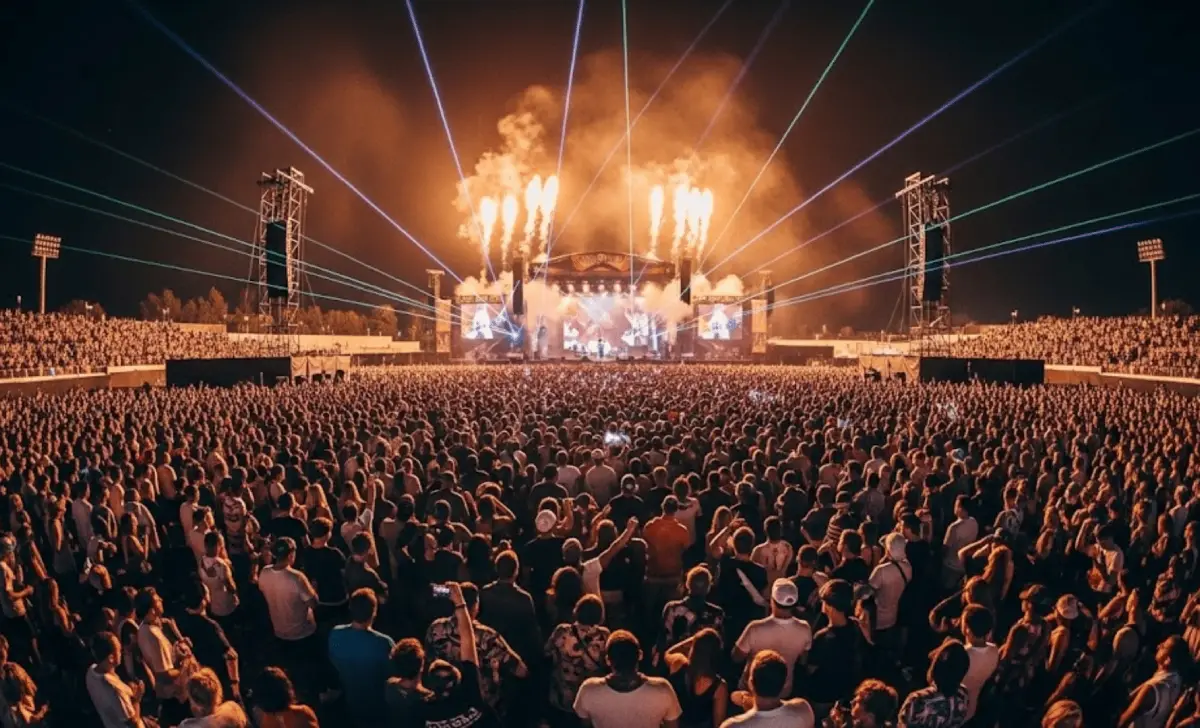
Several factors create record-breaking concert attendance. Artist legacy matters enormously—most artists on this list had 20+ years of catalog and global recognition before hitting their record crowds. Venue choice makes an enormous difference. Outdoor spaces like Copacabana Beach accommodate millions, while stadiums max out around 100,000. Free performances remove the ticket price barrier, which is why the largest numbers come from free shows.
Holidays and cultural celebrations drive massive attendance. When a concert aligns with New Year’s Eve, Bastille Day, or a national anniversary, attendance multiplies. Geography and local pride matter too. Concerts in artists’ home countries tend to draw larger crowds. Major historical moments, like the fall of the Berlin Wall, added symbolic weight that drew crowds beyond music fans. Speaking of cultural moments in entertainment, 2026 is bringing major releases across all genres, from horror movies to comedy films worth watching.
Free vs. Ticketed: Why Attendance Numbers Vary
The largest concert crowds almost always come from free performances. Compare Rod Stewart’s 3.5 million free show with U2’s 97,000 ticketed performance. Free admission removes economic barriers and allows anyone who can physically reach the venue to attend. Ticketed events, by nature, limit attendance to people willing and able to pay.
Free concerts generate different value. The artist gains massive visibility and reputation-building. The city gains tourism and economic activity. Ticketed stadium shows generate revenue but reach fewer total people. Both approaches matter for different reasons.
Cultural Impact Beyond the Numbers
The largest concert crowds matter because they often coincide with moments that change culture or history. Live Aid raised $125 million for famine relief and proved that music could address global humanitarian crises. Pink Floyd’s Berlin Wall concert became a symbol of freedom and the end of the Cold War division. Woodstock defined an entire generation and became shorthand for the 1960s counterculture.
Monsters of Rock in post-Soviet Russia represented the opening of a closed society. Western music and freedom of expression were being celebrated in a place where that wouldn’t have been possible months earlier. Modern concerts continue this tradition. Lady Gaga’s 2025 record as the most-attended concert by a female artist represents shifting demographics in music. As more female artists reach legendary status, women break into attendance records historically dominated by men.
How Attendance Records Are Tracked
Not all concert attendance figures are equally reliable. Official organizers provide the most accurate numbers for ticketed events because ticket sales can be counted precisely. Free concerts rely on estimates from security, crowd monitors, or police reports. Modern concerts have more reliable data through digital ticketing. Older concerts like Woodstock relied on eyewitness accounts, so some figures are still debated by historians.
The Pattern of Mega-Concert Venues
Rio de Janeiro’s Copacabana Beach appears on this list multiple times for good reason. The beach provides natural capacity for millions and accessibility for both locals and tourists. Its status as a New Year’s Eve destination made it logical for massive free concerts. Once Rod Stewart and others proved that records could be set there, the venue became synonymous with the largest concert crowds.
Other venues that host record-breaking concerts share similar characteristics: outdoor spaces with minimal infrastructure, free or low-cost admission, and connection to cultural celebrations. Parks, beaches, and public squares work better than stadiums for maximum attendance.
Conclusion
The largest concert crowds in history tell stories about artists, moments, locations, and culture. From Rod Stewart’s 3.5 million-person New Year’s Eve show at Copacabana Beach to Pink Floyd’s symbolic Wall concert, these events transcended typical experiences and became historical moments.
What these records show is that the biggest concerts happen when multiple factors align: legendary artists, ideal venues, free admission, cultural significance, and perfect timing. Woodstock may not be the largest crowd on this list, but its cultural impact rivals any concert. Similarly, Live Aid drew fewer people in person, yet its global broadcast and humanitarian mission made it historically significant.
Record-breaking concert crowds continue to happen. Lady Gaga’s 2025 Copacabana Beach performance proved that contemporary artists can still break attendance records. As festivals and free performances grow in popularity, we’ll likely see more massive crowds gathered for music. For more entertainment coverage, explore our guides to 2026’s biggest movie releases.
Which of these concerts would you have wanted to attend? Have you experienced a massive festival or show that felt historic? Drop a comment below—I’d love to hear about it. If you loved this dive into music history, subscribe for more deep dives into the moments that shaped culture.