Ever look at those picture-perfect wellness journeys online and just feel… tired? Me too. The truth is, getting healthier isn’t about a dramatic, overnight transformation. It’s about the small, almost invisible choices we make every day that slowly add up to feeling better.
If you’re standing at the starting line wondering how to even begin, this is your invitation. Let’s ditch the all-or-nothing pressure. This 30-day wellness challenge is built for real life—busy schedules, limited energy, and all. We’ll walk through it step-by-step, focusing on progress, not perfection. I’ll share not just the “what,” but the “why,” because understanding the reason makes the habit stick.
Ready to build a healthier you? Let’s begin.
Setting Yourself Up for Success (The Mindset Shift)
Before we jump into the weekly plans, let’s talk mindset. This is the secret sauce that most plans leave out.
- Find Your Personal “Why”: Grab a sticky note. Write down your real reason. Is it “to keep up with my kids without getting winded?” or “to feel less anxious by bedtime?” Put that note where you’ll see it daily. This is your anchor when motivation dips.
- Celebrate “Good Enough”: Some days, your win will be drinking enough water. Other days, it’ll be choosing the stairs. That’s all fantastic. We’re building a practice, not performing a flawless routine.
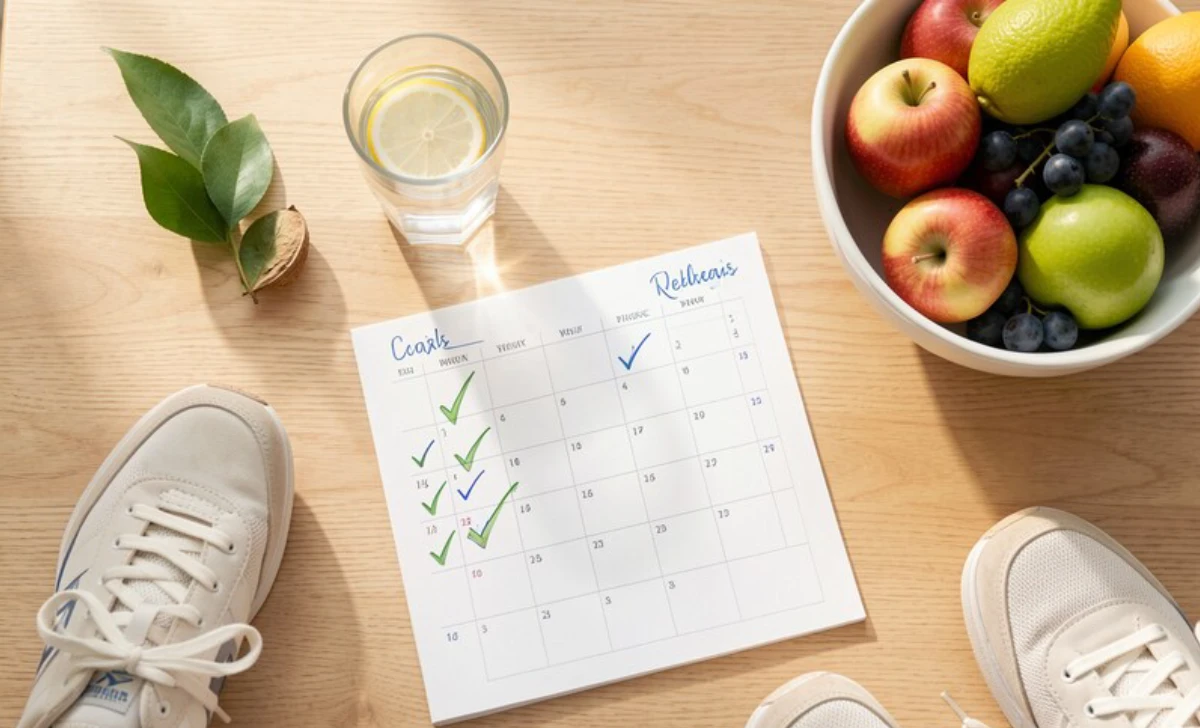
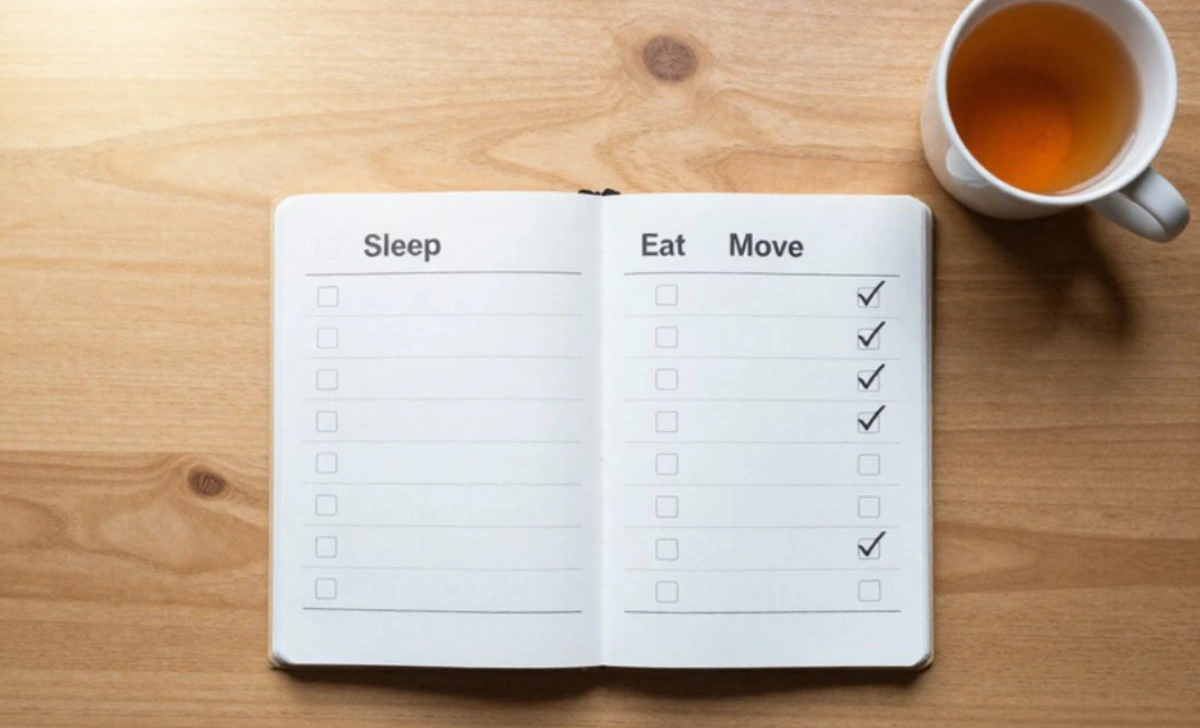
- Keep It Simple with a Tracker: You don’t need a fancy journal. A mark on your kitchen calendar works perfectly. The physical act of checking off a task feels satisfying and tells your brain, “Hey, we did it!”
- Make It Your Own: This plan is a friendly guide, not a strict rulebook. If a suggestion doesn’t fit your life, tweak it. Your wellness journey should work for you, not the other way around.
Your 4-Week Wellness Challenge Roadmap
We’re breaking this down into four manageable themes. Think of each week as a gentle layer you’re adding to your foundation.
Week 1: Foundation & Planning
Let’s start by clearing the mental clutter and setting up our support system. This week is about administrative courage and tiny routines.
1. Schedule Just One Check-Up.
- The Action: Open your phone and book one appointment you’ve been putting off—a physical, a dental cleaning, anything. Just one.
- The Why: Getting this off your to-do list is a huge mental win. It’s proactive care, and it builds a relationship with a professional who can help you. It’s the first, bravest step.
2. The 5-Minute Kitchen Tweak.
- The Action: Put a bowl of apples or bananas on the counter. Tuck the cookie bag behind the oats. That’s it.
- The Why: We eat what’s easiest to grab. This isn’t about restriction; it’s about making the healthy choice the convenient choice. It’s a classic, effective trick for building healthy habits for beginners.
3. Try a 3-Minute Morning Pause.
- The Action: Before you reach for your phone, sit for just three breaths. Inhale slowly, feel your lungs expand, exhale fully.
- The Why: This tiny habit is my personal non-negotiable. It sets a calm tone for the day instead of launching straight into reactivity. It’s the ultimate wellness tip for busy people.
4. The Water Bottle Experiment.
- The Action: Fill a bottle in the morning. Try to finish it by noon. Notice if you feel more alert or less headachy.
- The Why: So much of our afternoon fatigue is just mild dehydration. This simple hack is a game-changer for energy levels.
5. Have a Family Health Chat.
- The Action: Next time you call a parent or relative, ask, “Did grandma or grandpa have any chronic health stuff?” Just listen and note it down.
- The Why: This isn’t to worry you; it’s to empower you and your doctor with information for a more personalized care plan. Understanding your family’s history with heart health or other conditions is a crucial part of knowing your own risks.
Week 2: Nutrition Without the Noise
This week, we forget “good” and “bad” foods. We’re just adding in more good stuff.
1. The “Add One Veggie” Game.
- The Action: Add a handful of spinach to your smoothie, toss frozen peas into your rice, or snack on cherry tomatoes. One serving, one meal.
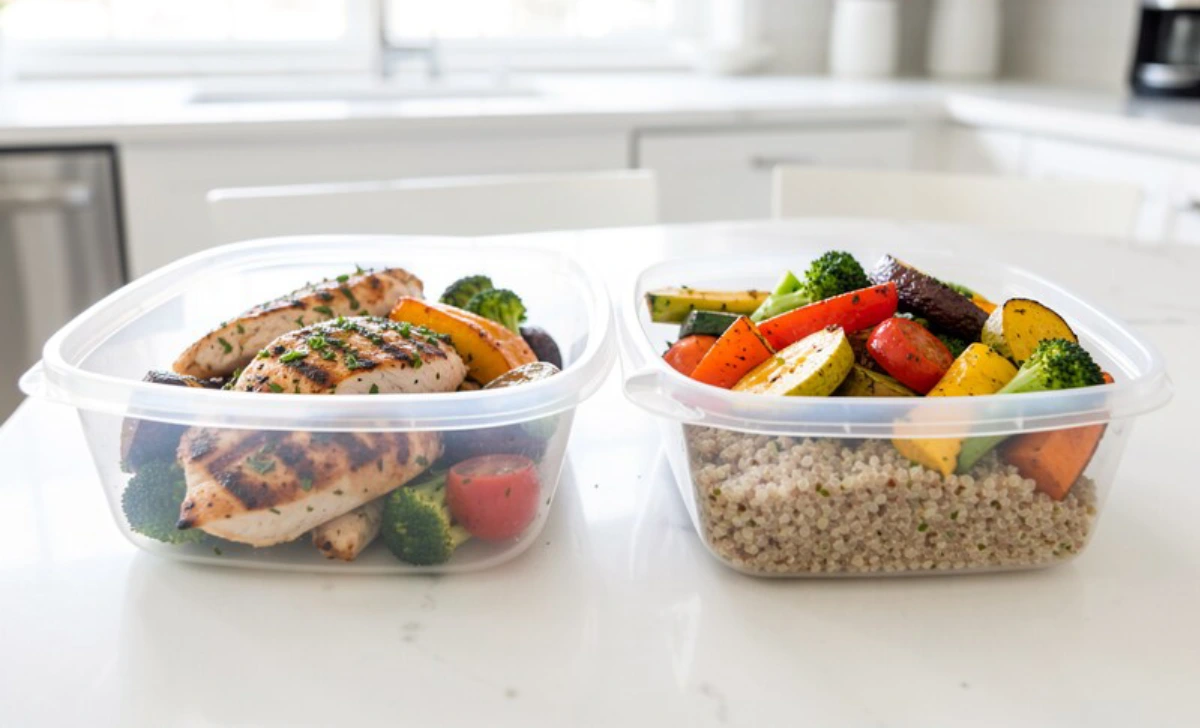
- The Why: Adding feels abundant and positive. It naturally makes your plate more nutritious without any sense of deprivation. For more structured ideas, exploring healthy meal planning can be a great next step.
2. Find Your No-Cook, Go-To Lunch.
- The Action: Find one lunch you can assemble, not cook. My favorite? Whole-grain crackers, canned tuna, pre-cut veggies, and hummus.
- The Why: When you’re hangry and busy, a plan is everything. This solves the “I have no time” crisis and is an easy way to eat healthier on chaotic days.
3. One Screen-Free Meal.
- The Action: Pick one meal—maybe breakfast—and just eat. No phone, no TV. Taste your food. It might feel weird at first, but it’s surprisingly calming.
- The Why: Eating while distracted means we often miss our body’s “I’m full” signal. This practice reconnects you with your hunger cues.
Week 3: Gentle Movement & Recovery
Movement is about feeling alive and capable, not exhausted.
1. Break Up Your Sitting.
- The Action: Set a timer for every 90 minutes. When it rings, stand, reach for the ceiling, and walk to get a glass of water.
- The Why (and an alternative): Our bodies aren’t made to sit all day. This boosts circulation and eases stiff joints. If standing is tough: Do seated ankle circles, shoulder rolls, and gentle torso twists right in your chair.
2. The “Mood Walk.”
- The Action: Go outside for 15 minutes. Don’t track steps or speed. Just walk and look around—notice the sky, the trees, your neighborhood.
- The Why: Combining light movement with fresh air is a proven mood-lifter. It’s less about exercise and more about giving your mind a break.
3. Try a 10-Minute Online Session.
- The Action: Search “chair yoga for beginners” on YouTube. Follow along in your living room. Nobody’s watching!
- The Why: This proves you can start a health routine with zero equipment or gym membership. It builds confidence in your own space.
4. Stretch It Out.
- The Action: After any activity, spend two minutes stretching. Reach for your toes, hug your knee to your chest. Breathe into the stretch.
- The Why: This tiny act of care reduces next-day soreness and tells your body “thank you” for moving, making you more likely to do it again. It’s a core part of stress management through physical release.
Week 4: Mindful Maintenance & Connection
True wellness lives in a calm mind and supportive connections.
1. Create a Digital Sunset.
- The Action: Turn off all screens 30 minutes before bed. Leave your phone to charge in another room. I read a real book instead—it makes a huge difference.
- The Why: The blue light from our phones tricks our brains into thinking it’s daytime. This ritual is the single best thing I’ve done for my sleep quality. For more on this, look into creating a sleep hygiene routine that works for you.
2. The Gratitude Pause.
- The Action: As you lie in bed, think of three small things from your day that were okay. The sun was out. Your coffee was hot. You had a decent laugh.
- The Why: It sounds simple, but this practice softly shifts your brain’s focus from what went wrong to what was neutral or even good. It builds resilience.
3. Reach Out Once.
- The Action: Send a quick text to a friend just to say hi. Or, if you’re navigating something specific, look up an online community.
- The Why: We’re not meant to do hard things alone. Connection is fuel. Sharing a struggle or a win makes the journey lighter.
4. Look Back & Look Forward.
- The Action: Flip through your calendar or notes from the last month. What felt surprisingly easy? What felt like a drag? Choose one habit that made you feel good to continue.
- The Why: Reflection turns experience into wisdom. It helps you build your own personal wellness checklist for the long haul.
Your Simple Tracking Method
Don’t overcomplicate this. Each night, just ask yourself: “Did I do my one small thing for this week’s theme?” If yes, put a check on your calendar. One check per day is a total win. At the week’s end, count your checks. Four or more? That’s fantastic progress. Celebrate it.
Conclusion
Look at you—you’ve just mapped out a month of gentle, positive steps. That’s huge. Remember, wellness isn’t a race with a finish line; it’s a path you’re learning to walk with a bit more ease.
Take a final look at your month. Which new habit genuinely made you feel better, not just more virtuous? That’s your golden habit. Hold onto that one tightly as life moves forward.
You’ve built momentum and proven to yourself that small changes are possible. Trust that feeling, be kind to yourself on the off days, and keep walking your own path, one simple step at a time. You are more than capable of building a life that feels good.
Troubleshooting & Motivation: Your FAQs Answered
Q: I’m a total beginner. Where do I even start?
A: Right here, right now. Start impossibly small. Pick one thing from Week 1—just the morning breathing, or just booking that appointment. Do only that for a few days. Master the art of starting tiny. Consistency with a 3-minute habit is worth more than a perfect 60-minute workout you never repeat.
Q: What health checkups are actually the most important?
A: Start with a general physical. It’s your home base. A good doctor will check your blood pressure, listen to your concerns, and use your family history to recommend a smart screening schedule for things like mammograms or blood tests. A dental cleaning is also a brilliant, straightforward place to begin.
Q: How do I stay motivated when I just don’t feel like it?
A: Don’t rely on motivation—it’s a flaky friend. Build tiny systems instead:
- Habit stacking: “After I pour my coffee (existing habit), I will take three deep breaths (new habit).”
- The calendar chain: That simple checkmark on the calendar is surprisingly powerful. Don’t break the chain!
- Re-read your “Why”: That sticky note is your compass.
Q: What are easy ways to eat better without becoming a chef?
A: Become a master assembler, not a chef.
- Love your freezer: Frozen veggies, pre-cooked grains, and frozen fruit for smoothies are lifesavers.
- Upgrade easy meals: Stir a handful of spinach into your pasta sauce. Add a can of beans to your canned soup.
- Buy the shortcuts: Pre-washed lettuce, pre-chopped veggies—they’re worth every penny for making healthy eating feasible.