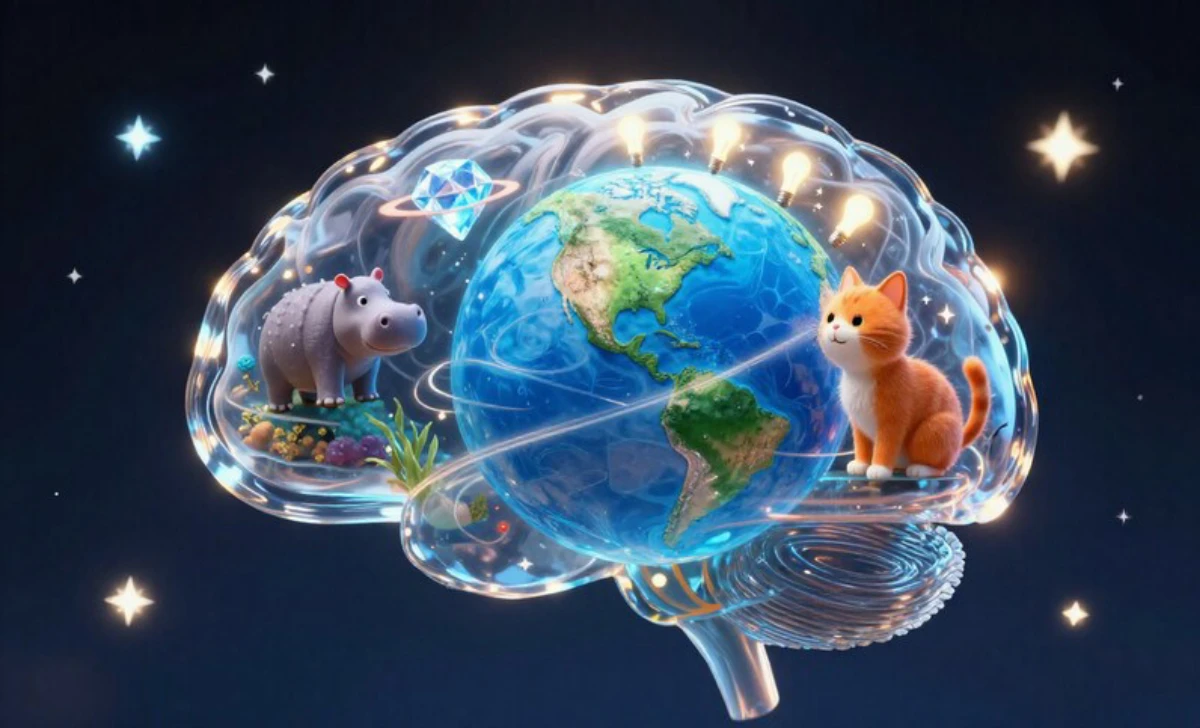
Pentachronism describes the experience of something created in one era speaking directly to people in another. Not because it was designed to last, but because it touches something in human experience that doesn’t change. A poem written in 1850. A letter from the Depression. A philosophical text from 500 BC. These things still land, still resonate, still feel true. That’s pentachronism at work.
This isn’t nostalgia, and it isn’t the same as calling something “timeless.” Pentachronism acknowledges that something carries the marks of its era and still speaks beyond it. Understanding this distinction matters more now than it did ten years ago, and if you’ve ever felt unexpectedly moved by something old, you’ve already experienced it without having a word for it.

What Is Pentachronism?
You’ve felt this before. You’re reading something written decades before your birth, and a sentence stops you cold. You think, “How did this person know?” That’s the exact feeling pentachronism points to.
The word comes from Greek: penta (five) and chronos (time). The “five” nods to the idea of spanning multiple eras, not being locked into one. At its core, pentachronism means something from a specific moment in history still speaks directly to people living in a completely different one.
Take the orange pomander, a practice dating back to medieval Europe, where people studded oranges with cloves to ward off illness and carry as a personal fragrance. The specific belief is outdated, but the practice itself, of turning simple, natural materials into something purposeful and meaningful, still resonates with people today in ways that feel oddly personal. That’s exactly the kind of cultural artifact pentachronism points to.
Here’s what makes it distinct from nostalgia: nostalgia is emotional longing for the past. Pentachronism is recognition across time. You’re not wishing you lived then. You’re noticing that something created then still holds meaning now.
A one-sentence definition worth keeping: Pentachronism is when something from one era still speaks directly to people in another, not because it’s perfect, but because it touches something that doesn’t change.
Why This Matters in 2026
Right now, a lot of people feel unmoored. AI is rewriting what work means. Screens mediate most of our relationships. Loneliness rates keep climbing despite more digital connections than any previous generation ever had. Political conversations feel like they’re happening in different languages.
In that context, old human wisdom becomes more valuable, not less. When you’re unsure what’s authentic versus manufactured, what’s human versus machine-generated, older voices carry a different weight. They weren’t navigating algorithms or optimizing for engagement. They were just trying to make sense of being alive.
That’s why pentachronism matters now specifically. Ancient texts about division feel freshly relevant when political fractures widen. Old writing about loneliness and disconnection lands differently in a culture that’s technically more connected than ever. Even practical knowledge follows this pattern. Older approaches to sustainability, like the revival of eco-friendly materials in everyday kitchen use, are finding renewed relevance not out of nostalgia but out of genuine necessity, because the principles behind them still hold.
A 2024 study from the Oxford Internet Institute found that people who regularly engage with cultural content from multiple eras report lower anxiety about the future. Not because they’re retreating from the present, but because they’re drawing from a wider pool of human experience.
Examples You Might Recognize
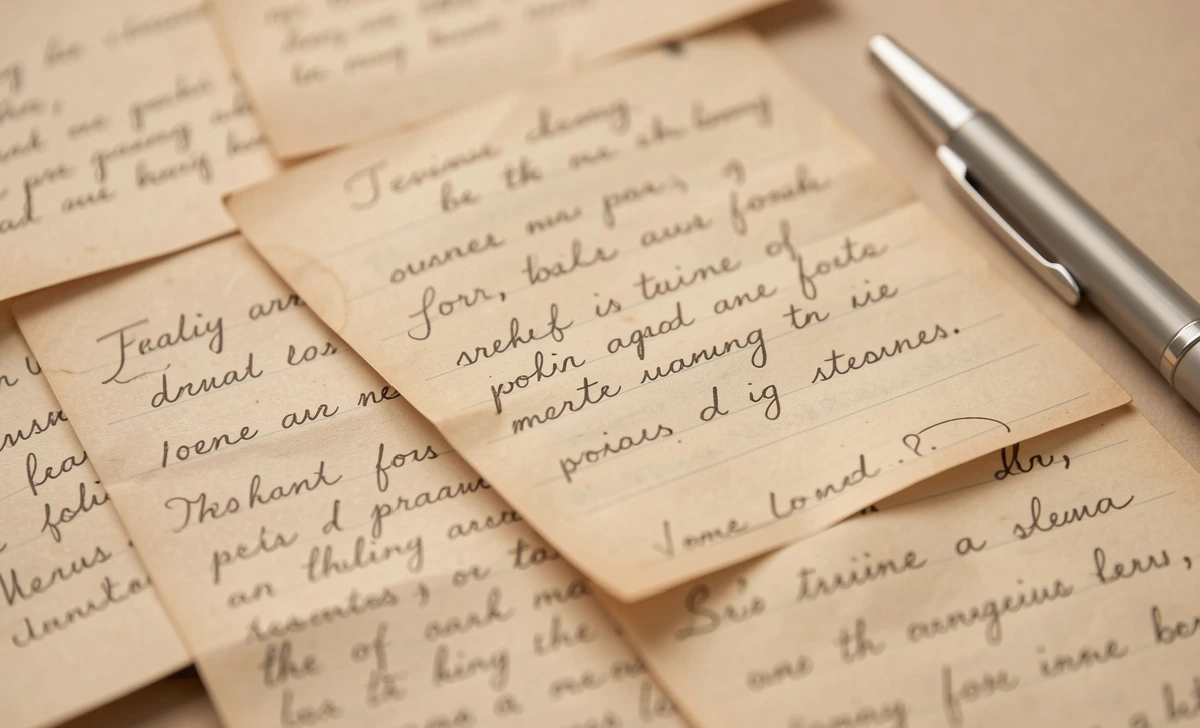
Pentachronism shows up in places most people don’t expect.
In pop culture, you see it every time a film from thirty years ago gets quoted in a conversation today. Not as irony or reference, but because the line still captures something real. The movie belongs to its era, but the feeling it expressed doesn’t.
In food, it looks like your grandmother’s recipe that still tastes better than the optimized version you found online. The technique is old. The result still works. The same logic applies to folk remedies passed down through generations, like the use of papaya sap for cracked heels, a practice many grandmothers swore by long before skincare routines became an industry. The knowledge traveled across time because the problem and the solution didn’t change.
At work, productivity advice from the 1940s about single-tasking and protecting uninterrupted time reads like it was written for 2026 open-plan offices. The specific setting changed. The problem didn’t.
In relationships, love letters from the 19th century can read like they were written last week. The language is formal, the world is unrecognizable, but the fear of being forgotten, the desire to be known completely, those don’t date.
My neighbor is eighty-three. I was venting one afternoon about workplace dynamics, the usual friction of credit getting misattributed, alliances shifting without warning. She listened quietly and then described nearly identical behavior she witnessed in a factory during the 1960s. Different century, different industry. Same human pattern. That moment of recognition, that’s pentachronism too.
Not Everything Old Deserves Your Attention
This matters: pentachronism isn’t an argument for uncritical reverence of the past.
Some old ideas age badly for good reason. Medical advice from the early 1900s would be dangerous today. Social norms that were once treated as common sense caused genuine harm to real people. Scientific theories we’ve rightly abandoned, views on gender, race, and mental illness that reflected the prejudices of their era, these don’t deserve revival just because they’re old.
The difference worth watching for: technical knowledge and social frameworks expire. They’re context-dependent. Observations about the core of human experience, fear, grief, connection, meaning, the desire to matter, those tend to travel.
You shouldn’t consult a 1950s marriage manual for relationship advice. You might read a 5th-century philosopher on desire or loss and find something that still rings completely true. That discernment is the whole point. Pentachronism is a tool for recognition, not an invitation to romanticize.
How to Notice and Use It
Once you start looking for pentachronism, you find it constantly. Here’s a simple framework that works.
When you read something old, ask two questions: “What part of this still feels true?” and “What part feels dated?” That gap tells you a lot about what’s actually human versus what’s a historical circumstance.
When someone from a different generation gives you advice, separate the principle from the example. The example will often be outdated. The principle underneath it might not be.
One habit worth trying: read one old thing for every new thing you consume. Old doesn’t have to mean ancient. Ten years count. Fifty years count. The point is you’re not only drawing from your own moment, which is a narrow window by any measure.
And pay attention when something old unexpectedly lands. That moment of recognition, that slight shock of relevance, is pointing you somewhere. What is it touching? Why does it still feel accurate? That kind of noticing builds a longer mental runway, more approaches to problems, more ways of thinking about what you’re facing now.
How Pentachronism Differs from Related Ideas
Two concepts are worth knowing alongside this one.
Anachronism is almost the opposite: something that doesn’t belong in its time, a detail that clashes with its era rather than speaks beyond it. A smartphone in a period drama. These are errors or deliberate contrasts. Pentachronism is relevance, not misplacement.
Timelessness suggests something exists above or outside of any era, untouched by when it was made. Pentachronism is messier and more honest. A pentachronic work carries the marks of its origins and still speaks beyond them. It transcends not despite belonging to a specific moment, but while fully belonging to it.
FAQs
Is pentachronism the same as nostalgia?
No. Nostalgia is emotional longing for a past you want to return to. Pentachronism is recognition across time, noticing that something old still speaks to you now, without wishing you lived then. You can appreciate a 19th-century letter while still being glad for modern medicine.
Can something modern be an example of pentachronism?
Every piece of writing, every song recorded, every idea shared is a bet on pentachronism. You’re hoping someone in the future will find meaning in what you leave behind. We’re all creating potential pentachronism right now.
How is it different from “timelessness”?
Timelessness implies that a work exists outside of time. Pentachronism means it belongs fully to its era and still speaks beyond it. That distinction matters: pentachronic works carry their origins with them.
Is pentachronism always positive?
No. Harmful ideas travel across time, too. Recognizing pentachronism means seeing both what’s useful and what’s damaging about what persists. It’s a tool for awareness, not a blanket endorsement of old things.
Why haven’t I heard this word before?
Most of pentachronism’s usage stays in academic circles: literary theory, philosophy, and cultural studies. But the experience it describes is universal. You’ve felt it. Now you have a word for it.