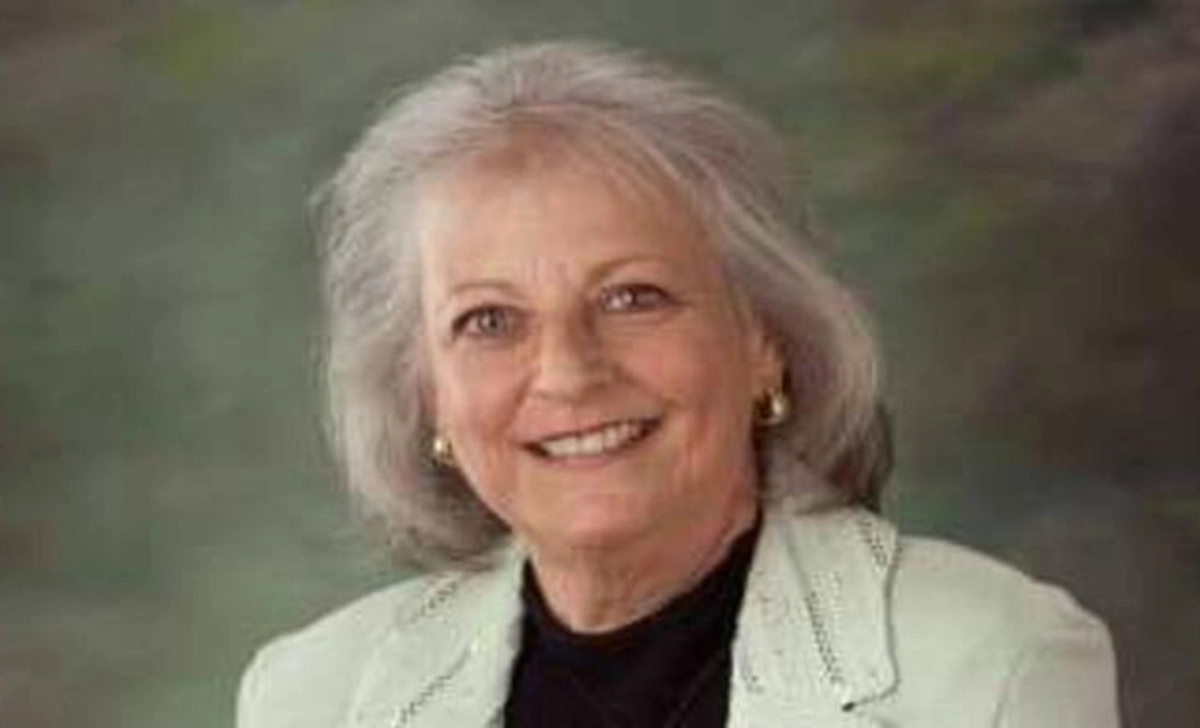
Phyllis Minkoff is an American communications expert and political advocate born on February 15, 1941, in Washington, D.C. She is widely recognized as the first wife of television host Maury Povich, though her career in public relations and her civic contributions stand apart from that connection. She worked across political campaigns, nonprofit initiatives, and community advocacy, building a professional identity well before her marriage to Povich in 1962.
After divorcing Povich in 1979, she married Pittsburgh attorney and city councilman Phillip Baskin in 1980. Their marriage lasted until Baskin died in 2005 due to Alzheimer’s disease. Minkoff has four daughters, two from each marriage, and has remained active in causes including women’s rights, animal welfare, and health advocacy. She currently resides in the Greater Pittsburgh, Pennsylvania area.
Early Life and Family Background
Phyllis Minkoff was born on February 15, 1941, in Washington, D.C. She grew up in a close-knit, middle-class Jewish family alongside her brother, Larry Minkoff. Her father, Hyman Joseph Minkoff, owned and operated Acme Liquors, a local business established in 1940. Her mother, Ida Minkoff, focused on the family’s home life and community ties.
Growing up in Washington, D.C., gave Minkoff early exposure to political culture, civic engagement, and public communication. These influences, combined with the values of hard work and service instilled by her parents, shaped her decision to pursue a career in public relations and communications.
Her father’s business also offered practical lessons. Watching him manage customer relationships and community reputation gave her a clear understanding of how communication builds trust.
Education and Early Career Path
Specific details about Minkoff’s formal education have not been made public. However, her career trajectory consistently points to a strong academic foundation in communications and public affairs. Multiple sources describe her as having built expertise in media strategy, public messaging, and political communication.
Her professional career took shape during the 1960s and 1970s, decades marked by major social and political change in the United States. She entered public relations work at a time when female professionals in the field were far from the norm.
Career in Public Relations and Communications
Minkoff built her professional reputation as a communications strategist and public relations consultant. Her work spanned political organizations, nonprofit groups, and community programs. She focused on message development, media relations, and public campaign management.
What distinguished her career was its independence. She established a professional identity before her marriage to Maury Povich and maintained that career throughout and after the relationship. Her financial independence, at a time when many women of her generation relied on spousal income, reflects both ambition and self-reliance.
Her skills in handling media relationships, managing public narratives, and communicating with diverse audiences earned her a strong professional reputation in the Washington, D.C., area and later in Pittsburgh.
Political Activism and Social Advocacy
Women’s Rights Work
Minkoff was an active participant in the Women’s Liberation Front, an organization that advocated for gender equality and social justice during a period of significant cultural change in America. She supported women’s workplace rights, equal representation in leadership, and feminist organizing in both Washington, D.C., and Pittsburgh.
Her advocacy was not limited to affiliation. She used her communications background to shape messaging for causes she supported, bringing professional precision to grassroots efforts.
Political Campaign Contributions
Minkoff contributed to several prominent political campaigns over the years. These include the 2016 presidential campaign of Hillary Clinton, as well as campaigns for Bernie Sanders and Joe Kennedy III. Her role in these campaigns centered on communication strategy, voter outreach, and public messaging.
Her political involvement was consistent with her broader values around equality, social progress, and civic responsibility.
Health and Animal Welfare Advocacy
Beyond electoral politics, Minkoff supported Planned Parenthood and various animal shelters throughout her career. She contributed time and professional resources rather than seeking public recognition. Her approach to philanthropy prioritized direct impact over visibility.
Women from different backgrounds who chose advocacy-centered careers outside the public eye, such as Margot Rooker and Jacque Lang, reflect a similar pattern of meaningful contribution without fame.
Marriage to Maury Povich
The Relationship and Marriage Years
Phyllis Minkoff met Maury Povich in the early 1960s in Washington, D.C. At the time, Povich was beginning his journalism career, and Minkoff was already developing her professional identity. They married in 1962. Their marriage lasted 17 years, producing two daughters: Susan Anne Povich and Amy Joyce Povich.
Throughout the marriage, Minkoff managed a dual role as both a working professional and a mother. She maintained a low public profile even as Povich’s career grew and his media presence increased.
Who Is Maury Povich?
Maury Povich is an American television host and journalist born in 1939. He began his career in broadcast news and became nationally recognized through his long-running daytime talk show, “Maury.” The show ran for decades and built a devoted television audience through its focus on family conflicts, relationships, and paternity testing segments. His estimated net worth stands at approximately $80 million.
While Povich became one of daytime television’s most recognizable personalities, Minkoff maintained a separate and private professional path throughout his rise to national fame.
Divorce in 1979
Phyllis Minkoff and Maury Povich divorced in 1979. The separation was handled privately. Minkoff did not use the public attention tied to Povich’s career for personal or professional gain. She continued building her own career in communications and deepened her involvement in community causes during this period.
Second Marriage to Phillip Baskin
In 1980, Minkoff married Phillip Baskin, a Pittsburgh attorney and city councilman. Their relationship was built on shared values around justice, civic duty, and community service. Baskin’s legal and political background complemented Minkoff’s communications expertise, and the two worked together on civic initiatives in the Pittsburgh area.
Together, they had two daughters: Shoshana Nudel and Janice Gondelman. The marriage expanded Minkoff’s family to four children.
Baskin died in 2005 following a prolonged battle with Alzheimer’s disease. The loss marked a significant personal transition for Minkoff. She continued her community involvement and advocacy work in the years that followed.
Phyllis Minkoff’s Children
Minkoff has four daughters whose careers and personal lives reflect her values of education, independence, and civic awareness.
Susan Anne Povich, her eldest daughter with Maury Povich, is an entrepreneur and co-founder of Red Hook Lobster Pound, a successful seafood business based in New York City.
Amy Joyce Povich, also from the first marriage, is an actress and writer. She is married to Dr. David Agus, a prominent oncologist, author, and medical researcher.
Shoshana Nudel and Janice Gondelman, her daughters with Phillip Baskin, have maintained private lives. Both are known for their involvement in family and community causes.
The divergent professional paths of Minkoff’s daughters, from business to medicine-adjacent careers, reflect a broad range of influence. Other mothers connected to public figures who raised accomplished children outside the spotlight, such as Emily Kuchar, offer comparable examples of private but impactful parenting.
Net Worth and Financial Profile
Phyllis Minkoff’s net worth has not been publicly disclosed. No verified financial records or public filings offer a specific figure. Her career in public relations and political consulting across several decades suggests a stable and independent financial standing.
Her wealth is not tied to celebrity status or spousal income. Minkoff earned through her own professional work, which separates her financial profile from many celebrity-adjacent figures who rely primarily on association for income or recognition. Her former husband, Maury Povich, holds an estimated net worth of $80 million, built through his television career.
Life in Greater Pittsburgh
As of 2025, Phyllis Minkoff resides in the Greater Pittsburgh, Pennsylvania area. She lives a private life centered on family, community involvement, and personal interests. She has been described as an active member of local cultural and civic events.
She has no public social media presence. Her privacy preference has been consistent throughout her adult life, both during and after her marriages.
Legacy and Public Identity
Phyllis Minkoff’s public identity is built on two distinct foundations. The first is her professional work in communications, political advocacy, and community service. The second is her deliberate and sustained commitment to privacy, even when public attention from her connection to Maury Povich made visibility easy.
Her story does not follow the pattern of a celebrity spouse who capitalizes on association. Instead, she built and maintained an independent career, raised four accomplished daughters, contributed to significant social causes, and navigated two marriages and widowhood with documented composure.
At 84, her legacy rests on four decades of communications work, consistent civic engagement, and a personal ethos that valued substance over exposure.
Conclusion
Phyllis Minkoff’s biography covers more ground than her well-known connection to Maury Povich suggests. Born in Washington, D.C., in 1941, she developed a career in public relations and political communications, contributed to national campaigns, and advocated for women’s rights, health access, and animal welfare throughout her adult life. She raised four daughters across two marriages, both of which ended on her own terms, and has lived a private but active life in Pittsburgh for decades.
Her story is defined not by fame but by a consistent professional record and clear personal values.