Imagine pulling up to the pump and finding prices 30% higher than last month. That’s not a hypothetical anymore.
Brent crude has already broken through $94 per barrel — up more than 50% since the start of 2026. Analysts from Goldman Sachs, JPMorgan, and major Gulf energy ministries are now openly forecasting $100 oil. Some are talking $150.
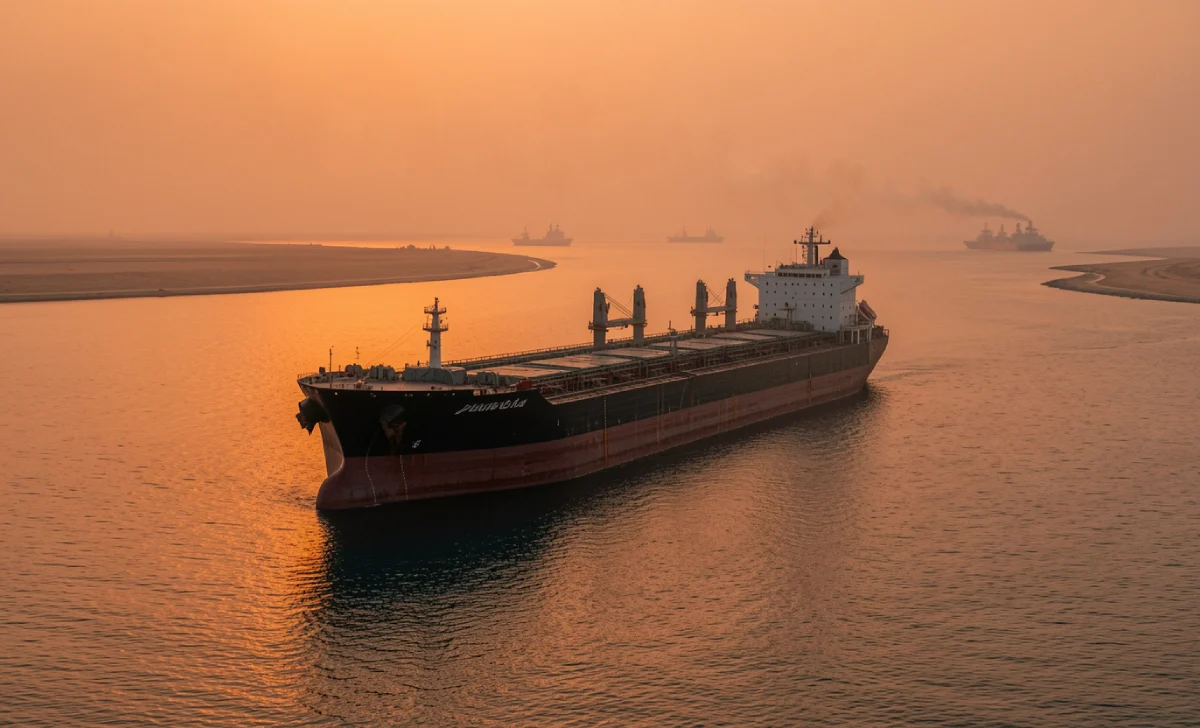
The cause isn’t a financial crash or a demand surge. It’s a 21-mile waterway in the Persian Gulf — and what’s happening to it right now.
What’s Driving the Oil Price Surge?
Three forces are hitting the market at the same time.
1. Geopolitical shock in the Middle East: US-Israel strikes on Iran beginning in late February 2026 triggered immediate retaliation. Iran responded by blocking tanker traffic through the Strait of Hormuz using threats, direct attacks, and mines. Only about 10% of normal oil flows are getting through. Iran’s forces have attacked or targeted over 20 vessels since the conflict escalated — and tanker owners have stopped risking their crews and ships.
2. The scale of this disruption is unprecedented: The strait normally moves 20 million barrels per day — roughly 20% of global oil exports. That’s 17 times larger than the supply hit caused by Russia-Ukraine in 2022. There’s no quick fix.
3. Tight global inventories: Storage tanks in Saudi Arabia, the UAE, and Kuwait are nearly full. Producers may have to physically shut down fields if they can’t export. Middle Eastern producers only have about 25 days of effective storage if the Strait is blocked.
Brent crude went from around $60 to over $94 in weeks. That’s what a structural supply shock looks like in real time.
The $100 Oil Prediction — Who’s Saying What
This isn’t fringe analysis. The biggest names in energy markets have revised their forecasts sharply.
Goldman Sachs now expects Brent to average above $100 per barrel in March 2026, with April settling around $85. If the Hormuz disruption stretches to two months, Goldman sees another spike above $100, averaging $93 through Q4.
JPMorgan is more cautious on the second half of the year, targeting roughly $60 by late 2026. But even their analysts acknowledge short-term spikes above $100 are likely if the crisis deepens. Their framework identifies a path to $100–$120 if escalation in US-Iran tensions seriously threatens exports.
Qatar’s energy minister has gone further — warning of $150 oil if the war drags on. Futures traders have already briefly printed $119 on intraday spikes.
These numbers aren’t guesswork. They come from real-time shipping data showing hundreds of tankers stuck at anchor and insurance costs surging to levels that make many voyages commercially unviable.
Inside the 2026 Oil Supply Crisis
The International Energy Agency has called this the biggest oil supply disruption in recorded history — larger even than the 1970s oil crises.
That’s a striking statement. Here’s what backs it up.
The Strait of Hormuz is 21 miles wide at its narrowest point. Before the conflict, it carried 20% of global oil and significant volumes of liquefied natural gas every single day. Now it’s close to a standstill.
- Iran’s forces have attacked or targeted more than 20 vessels
- Tanker owners are refusing to risk crews, ships, or insurance coverage
- Gulf producers are facing forced production cuts as onshore storage overflows
- Rerouting around the strait adds weeks to delivery times and costs millions per voyage
Even a partial reopening won’t fix things overnight. Insurance rates stay elevated long after the threat passes. Shipping trust rebuilds slowly.
Goldman Sachs is modeling 21 days of low Strait of Hormuz oil flows at 10% of normal levels, followed by a 30-day gradual recovery, and says daily prices are likely to exceed 2008 peak levels if flows remain depressed through March.
Why Analysts Say This Could Last
Three structural risks are keeping forecasts elevated.
No fast military solution. Reopening the strait safely requires mine clearance, ceasefire agreements, and rebuilt shipping confidence. That takes weeks, at a minimum.
Ripple effects on neighboring producers. Attacks on nearby port facilities and rerouting chaos add delays that compound the core disruption.
Demand isn’t collapsing. China is actively buying into strategic reserves. Global demand for transport fuel and heating oil remains strong. The IEA estimates global output could exceed consumption by around 3.8 million barrels a day in 2026 — but that surplus assumes the strait is open. Right now, it isn’t.
The market equation right now: supply shock is outrunning demand destruction.
What History Says About $100 Oil
Oil has been here before. The outcomes weren’t comfortable.
- 2008 ($145 peak): Triggered a global recession and record consumer inflation
- 2022 ($120+ spike): US gas prices topped $5/gallon; Europe faced energy rationing
Today’s crisis is structurally different from both. The 2008 crash was financial. The 2022 spike came from sanctions-based supply cuts that took months to fully bite. This is a physical blockade of the world’s single most important oil artery.
After the Iranian Revolution in 1979, oil prices more than doubled and triggered a global recession. Iranian crude production never recovered — it’s still running 2 million barrels per day below pre-revolution levels.
The pattern across every major oil crisis: markets overshoot hard on fear, then fundamentals pull prices back. The question is always how long the overshoot lasts and how much economic damage it does before that happens.
Developing economies feel it sharpest. Countries like Pakistan, which rely heavily on imported fuel, see electricity bills, transport fares, and food prices all rise together. There’s no domestic buffer.
How $100 Oil Hits Your Wallet
This isn’t abstract. Here’s what elevated oil prices do to everyday costs.
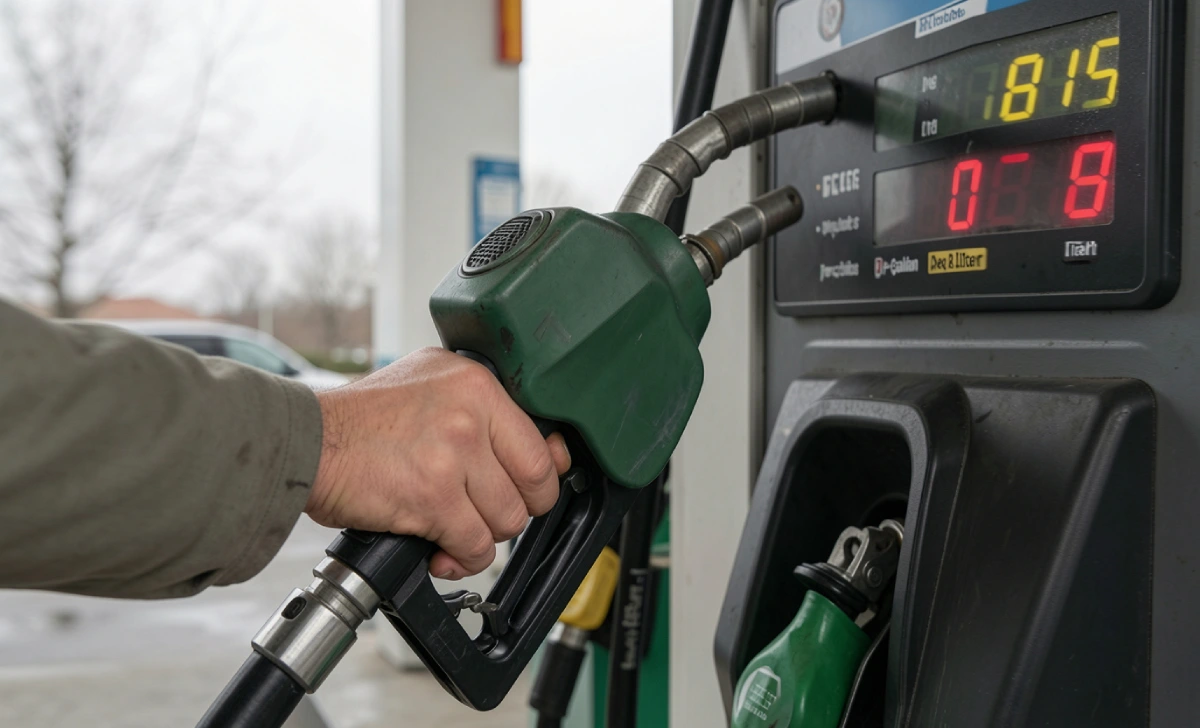
At the pump: Expect 20–40% jumps in gasoline and diesel within weeks of a sustained price spike.
At the grocery store: Nearly everything uses oil somewhere in production, packaging, or transport. Food prices follow energy prices — usually with a 4–8 week lag.
When you travel, Airlines pass fuel costs into ticket prices fast. Expect higher fares by Q2 2026.
Broader economic impact: An adverse $100 scenario would reduce world GDP by 0.4% after four quarters and add 1.2–1.5 percentage points to inflation in Europe and the US. The World Bank and IMF are already flagging stagflation risks.
Governments may release strategic reserves or subsidize fuel costs. Those measures buy short-term relief — they don’t solve the underlying supply problem.
Scenarios: What Could Push Prices Down
Not all roads lead to $150. Here’s the realistic range of outcomes.
| Scenario | Likelihood | Expected Brent | Timeline |
|---|---|---|---|
| Quick diplomatic deal reopens strait | Medium | Drops to $70–80 | 1–2 months |
| US/Russia sanctions relief adds supply | High (already happening) | Holds $85–95 | Immediate |
| Prolonged Hormuz closure + Gulf shutdowns | Low-Medium | $120–150+ | 3+ months |
| OPEC+ ramps output aggressively | Medium | Caps at $90–100 | April onward |
The US has already eased some sanctions on Russian oil to help fill the supply gap. OPEC+ begins 206,000 barrels per day increases in April 2026, with the next group meeting on April 5. Those moves buy time — but they can’t replace 20 million barrels per day overnight.
What OPEC+ Is Actually Doing
OPEC+ entered 2026 managing a slow market. The group paused further production increases in Q1 2026 to support prices that were trending lower. Now, with Brent near $95, the calculus has flipped.
Saudi Arabia needs crude prices close to $90 to cover government spending. Other members — Algeria, Iran, Kazakhstan — need prices far above $100. Those fiscal pressures create incentives that don’t always point toward market stability.
The April 5 meeting is critical. Watch it closely.
The Supply Glut That’s Still Waiting
Here’s the part of this story that doesn’t get enough attention.
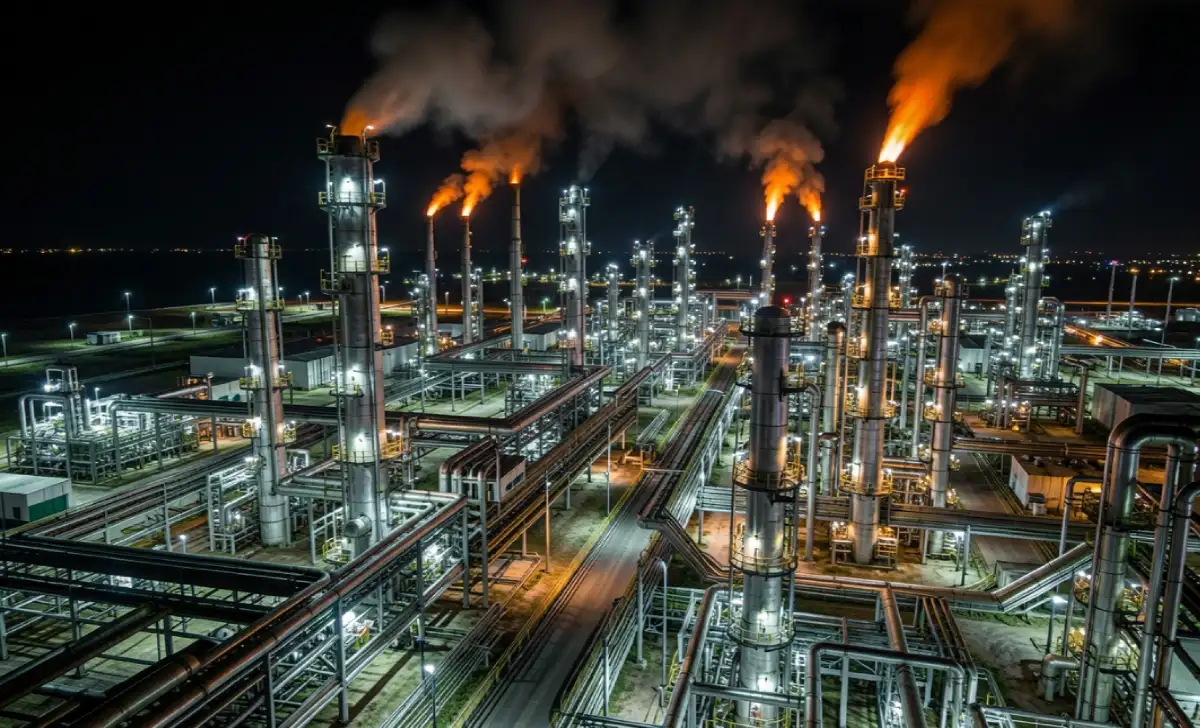
Even with today’s price spike, the structural backdrop for oil is bearish. Rising exports from both OPEC and non-OPEC producers mean more oil is in transit or waiting for buyers — a situation one senior Kpler analyst described as a “supply glut.”
JPMorgan notes the oil surplus was visible in January data and is likely to persist — meaning voluntary and involuntary production cuts will eventually be needed to prevent excessive inventory builds.
The geopolitical spike is real. The floor that catches prices on the way back down is also real. This market is both tight and oversupplied, depending on where you look.
Investment Angle: Where This Leaves Energy Markets
If you’re thinking about how to position around this:
- Oil producers and oilfield service companies get a short-term boost from elevated prices
- Airlines, shipping firms, and consumer goods companies face margin pressure
- Renewables and energy efficiency could see accelerated investment as governments push alternatives — high oil prices historically speed up EV adoption and clean energy project approvals
- Watch for volatility — prices are swinging $10+ in single sessions on individual headlines
JPMorgan’s framework suggests geopolitically driven rallies may be opportunities to trim exposure rather than times to chase — if you share the view that underlying supply is ultimately abundant once the strait reopens.
Longer term, this crisis is a reminder of why energy diversification matters — for countries, companies, and households.