The luxury retail portfolio reshuffle happening across LVMH, Kering, and Richemont isn’t a sudden crisis—it’s a correction years in the making. After a long run of aggressive price hikes, shrinking aspirational buyers, and cooling demand in China, the big groups are cutting what no longer works and doubling down on what does. Kering closed over 130 stores in 2025 alone. LVMH posted a modest 1% organic dip. Richemont leaned hard into jewelry. Each move tells a different part of the same story.
What gets lost in the earnings coverage is the human side of this shift. These aren’t just numbers on a balance sheet. They represent changing shopper habits, brand loyalty being tested, and a luxury industry that finally has to reckon with a smaller, pickier customer base. If you’ve ever walked into a store and felt like the price tag no longer matched the experience, you already understand the core tension driving this reshuffle.
Why the Reshuffle Is Happening Now
The luxury brands’ revenue reshuffle of 2026 didn’t come from nowhere. It follows years of price increases that worked brilliantly—until they didn’t. The global customer base for personal luxury goods shrank from roughly 400 million in 2022 to around 340 million by 2025, and more attrition is expected. That’s not a blip. That’s a structural signal.
What happened is fairly straightforward. Brands raised prices repeatedly, sometimes by 30–50% over just a few years. Early on, demand absorbed it. Then shoppers started doing the math—and walking away. Not everyone, but enough to shift the numbers. The aspirational buyer, the person stretching to buy a first luxury piece, has largely left the room.
Kering felt this most sharply. Gucci, their flagship, posted significant sales declines, and the group’s overall revenues fell about 13% in 2025. New CEO Luca de Meo is now pushing a reset—closing stores, rethinking pricing, and reducing the group’s overreliance on a single brand. It reads less like panic and more like an overdue acknowledgment that the old formula stopped delivering.
LVMH, being larger and more diversified, held up better. Their selective retailing division cushioned losses in fashion and leather goods. Still, even Bernard Arnault’s group signaled that 2026 “won’t be simple.” The conglomerate that defined modern luxury excess is now playing defense in certain categories.
Price fatigue is real, and brands that ignored it are now paying. Shoppers who feel overcharged don’t just stop buying—they start talking. For brands trying to manage that narrative, how they’re perceived publicly matters as much as what they sell. Many have turned to specialists in online reputation management to navigate the scrutiny that comes when sales drop, and store closures make headlines.
Regional Shifts Playing a Big Role
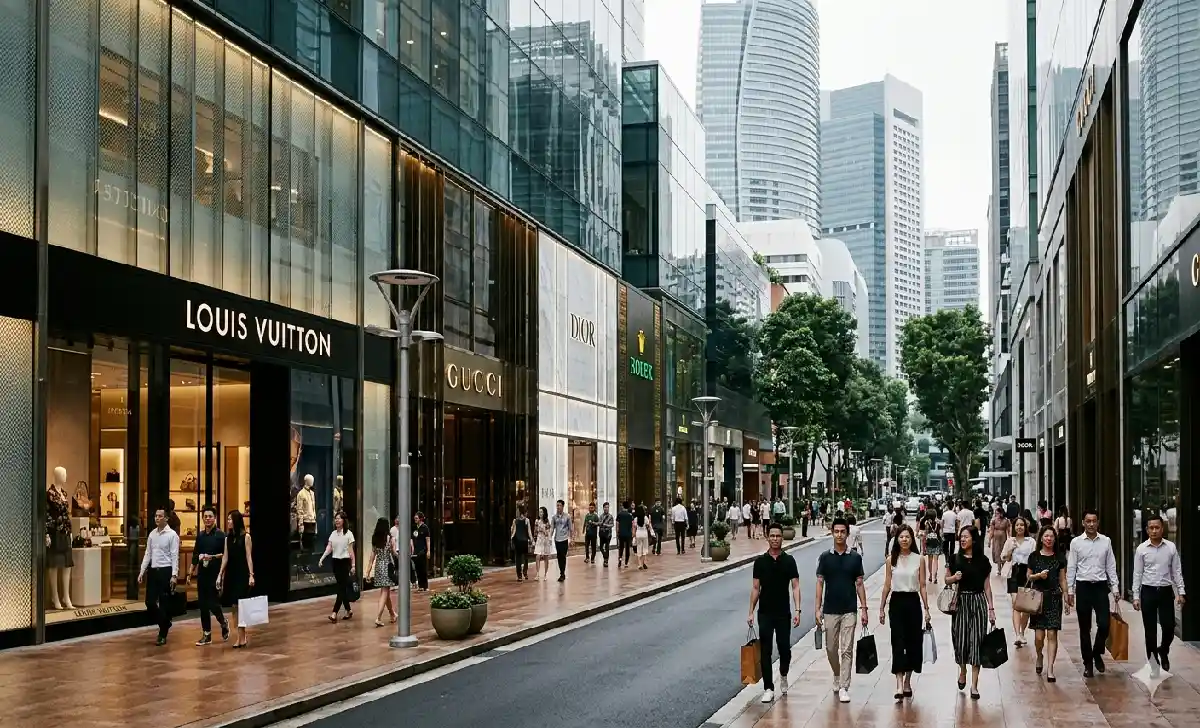
China was the growth engine for a decade. Now it’s complicated. Local Chinese demand hasn’t collapsed, but it has normalized. Tourist spending fluctuates with currency swings and shifting travel habits. For most of 2025, the luxury market in China stayed largely flat, and analysts expect that pattern to hold into 2026.
The U.S. is picking up some of that slack. Wealthy American shoppers—high-net-worth individuals who weren’t as dependent on price-relative arbitrage or travel retail—are being counted on more heavily now. Forecasts point to solid mid-single-digit growth from the U.S. market, which is genuinely encouraging, but it doesn’t fully replace the scale of what China provided during its peak.
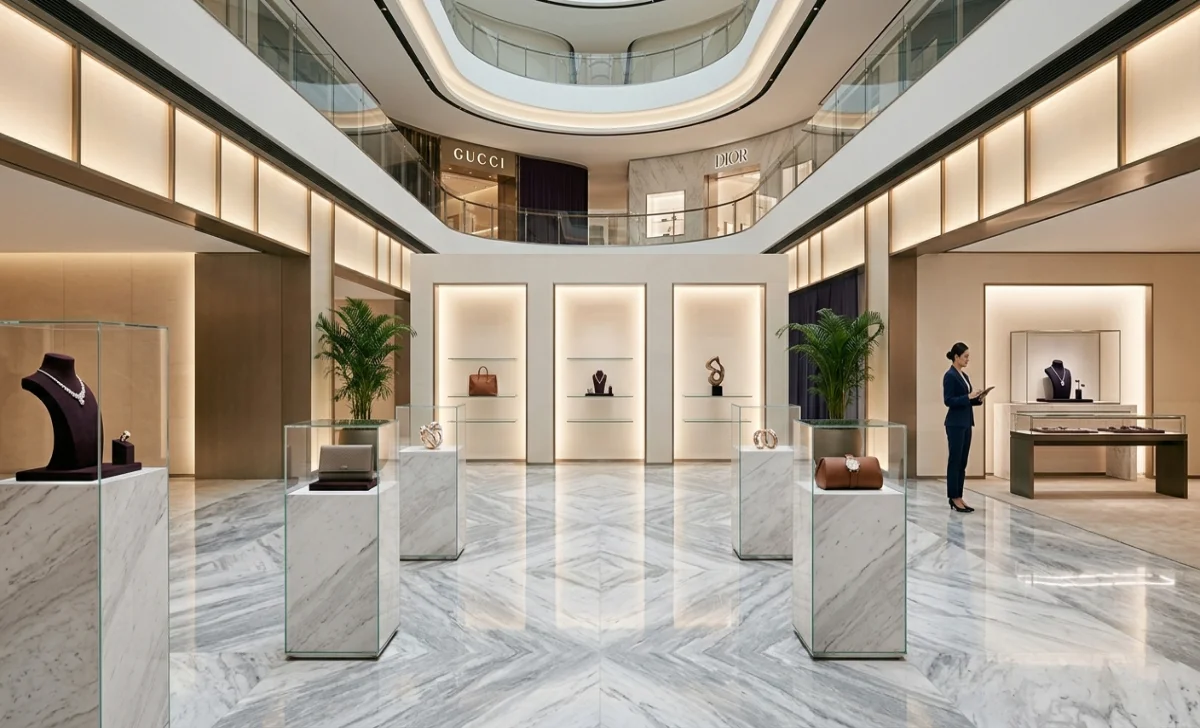
Europe tells a mixed story. Several luxury groups are actually expanding their physical footprints in key cities—LVMH and Kering both opening new locations for Saint Laurent, Bottega Veneta, and others—despite softer demand overall. The bet is that a well-run flagship experience outperforms online or duty-free in the long run. That may prove right, but it requires patience and confidence in physical retail at a time when many sectors are pulling back.
India is worth watching closely. Ultra-luxury names are holding steady or growing there, while accessible luxury is seeing declines. Premium mall footfall has risen in certain cities, partly because the gap between Indian and overseas pricing has narrowed. When a Dior bag costs nearly the same in Mumbai as in Paris, there’s less reason to wait for a foreign trip. That behavior shift is subtle but meaningful.
Understanding how regional data connects to actual shopper behavior is the kind of analysis that often gets skipped in earnings recaps. It also mirrors patterns seen in other industries where knowledge-sharing platforms—like this professional conference resource that makes industry content accessible after the event—become valuable precisely because the people who need the insights can’t always catch them in real time.
What This Means for the Brands Themselves—and for You
The LVMH Kering Richemont portfolio changes aren’t just corporate restructuring news. They will touch the stores you visit, the prices you encounter, and the collections you see on shelves over the next few years.
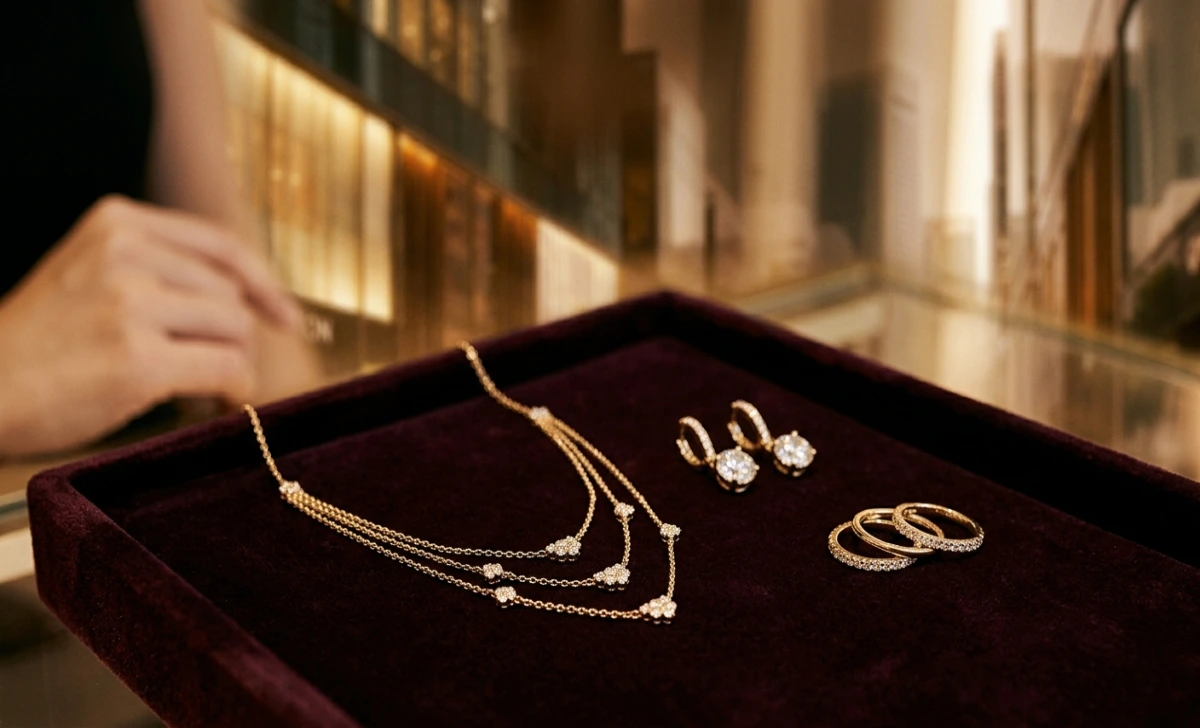
Inside the groups, a clear split is forming. Hermès continues to grow with healthy margins and a waiting list that still signals genuine demand. Cartier and Van Cleef & Arpels, under Richemont, are outperforming. Jewelry has held up better than leather goods and apparel across the board—partly because it reads as a lasting investment, not just a fashion moment.
On the other side, aspirational brands and scaled fashion labels face tougher decisions. Creative overhauls are underway at several houses. Gucci’s reinvention under a new direction is the most watched, but it’s not the only one. When a brand changes its creative voice and pricing simultaneously, the risk of alienating loyal customers is real.
Second-order effects deserve more attention than they usually get. Store rationalization means fewer retail jobs in certain markets. Supply chain partners—smaller manufacturers, artisan workshops—face uncertainty when their primary clients are pulling back orders. Brand heritage can quietly erode when cuts go too deep or too fast. And for shoppers, a leaner collection might feel more focused, or it might feel like there’s simply less to love.
The contrarian view on the Gucci sales drop and wider restructuring is worth holding. Not every reshuffle will succeed. Some groups will overcorrect and lose the creative risk-taking that made them interesting. Others will come out stronger by cutting distractions and investing in what genuinely differentiates them. The outcome depends on execution, not intention.
For smaller brands or suppliers navigating this environment, finding the right partners and funding structures matters more than ever. Resources like this overview of overseas business funding and corporate partnerships reflect how businesses across sectors are thinking about sustainable growth rather than chasing scale at any cost—a lesson the luxury sector is learning in real time.
Looking Ahead: Cautious but Honest
The luxury market outlook for 2026 is cautiously positive, but not uniformly so. Bain projects 3–5% industry growth after a largely flat 2025. HSBC analysts point to retail expansions, stabilizing demand, and a stronger U.S. base as drivers. Those projections are reasonable, but they come with a consistent caveat: price fatigue and a smaller, more selective customer pool aren’t going away.
The brands that come out ahead will likely be the ones that treat this period as a genuine reset rather than a temporary dip to wait out. That means honest product and pricing decisions, not just creative director swaps. It means building loyalty with the buyers who stayed, not chasing the ones who left. And it means recognizing that authenticity—felt in a store visit, in a product’s quality, in how a brand communicates—is harder to manufacture than a price increase.
Final Verdict
The luxury retail portfolio reshuffle playing out in 2026 is neither a collapse nor a clean reset. It’s a correction with real consequences—for shoppers, for supply chains, for creative teams, and for the cultural weight these brands carry. The numbers tell part of the story. The human experience inside stores, behind closed factories, and in the decisions of shoppers who simply stopped upgrading tells the rest.
Watch which groups invest in their keepers and which ones cut reflexively. That distinction will separate the brands worth following from the ones quietly losing what made them worth following in the first place.
FAQs
Why are luxury giants like Kering closing so many stores in 2025 and 2026?
Kering closed over 130 stores across its brands in 2025, primarily as a response to declining revenues—down roughly 13% for the group—and an overextended retail footprint from the boom years. Closing underperforming locations is part of a wider reset to reduce costs and focus investment where demand is strongest.
How is LVMH handling the slowdown compared to its competitors?
LVMH’s diversification has helped. While fashion and leather goods faced pressure, their selective retailing and other divisions cushioned the group-level impact. The organic revenue dip was around 1% in certain reporting periods—far less than Kering. Still, leadership has signaled that 2026 requires caution.
Will the luxury market actually rebound in 2026?
Analysts forecast modest growth—around 3–5%—driven by the U.S. market, store expansions in Europe, and stabilizing demand. A full return to 2022-era growth rates is unlikely given the smaller aspirational buyer pool and persistent price fatigue.
What does the shift toward jewelry and ultra-luxury mean for regular shoppers?
For most shoppers, it means the accessible end of luxury—entry-level leather goods, mass-positioned lines—gets less investment and attention from major groups. Brands will focus on ultra-high-net-worth clients where margins hold up. That likely means higher prices at the accessible tier and fewer entry points into the luxury world.
Disclaimer: This article is for informational purposes only and does not constitute financial or investment advice. All figures cited are drawn from publicly reported earnings and analyst forecasts available as of early 2026.