Every art movement starts with a question. For Caricatronchi, that question is: what if showing who you are mattered more than showing how you look?
That idea sounds simple. But in a visual world where most digital images chase perfection, it’s surprisingly radical. Caricatronchi puts exaggeration back at the center of artistic expression — not to mock or diminish, but to reveal. And in 2026, it’s finding a growing audience among designers, animators, brands, and anyone building a presence online.
This article explains what Caricatronchi actually is, where the idea comes from, why the human brain responds to it, and how it’s being applied right now.
What Caricatronchi Really Means
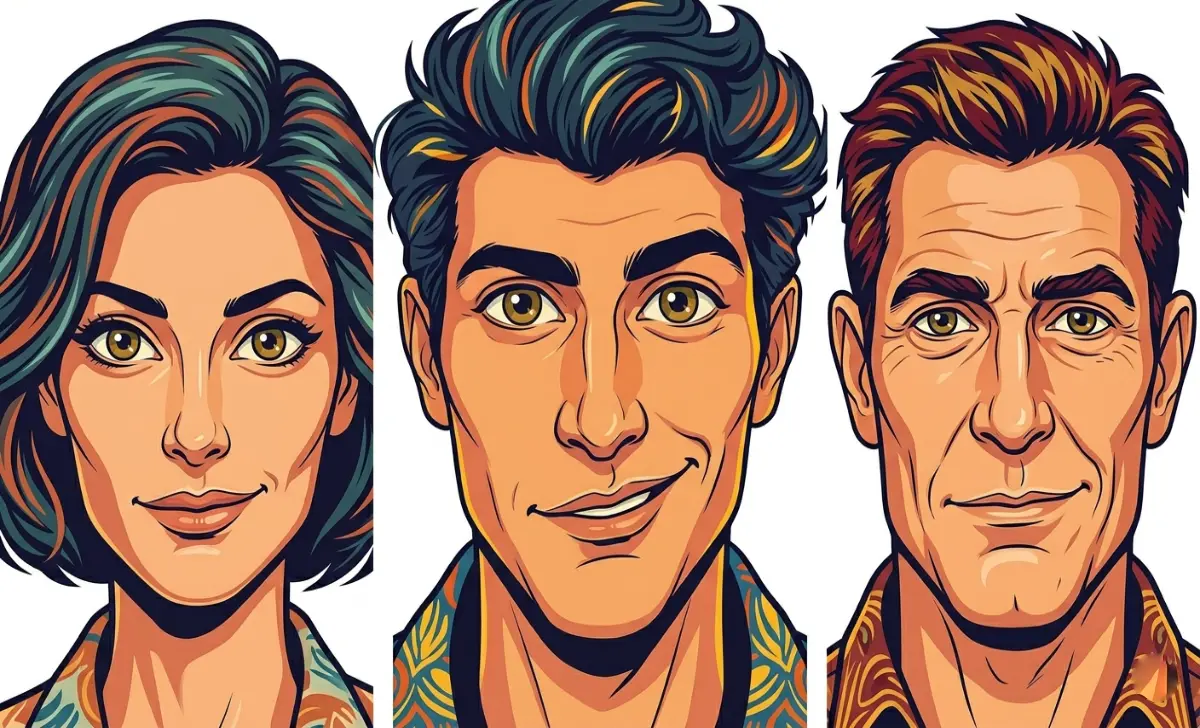
The word itself is the first clue. Caricatronchi appears to fuse two distinct linguistic roots. The first is caricatura, the Italian and Latin-derived term for caricature — artwork that loads or exaggerates a subject’s defining features to create meaning beyond simple likeness. The second is tronchi, an Italian word referring to trunks, fragments, or truncated forms.
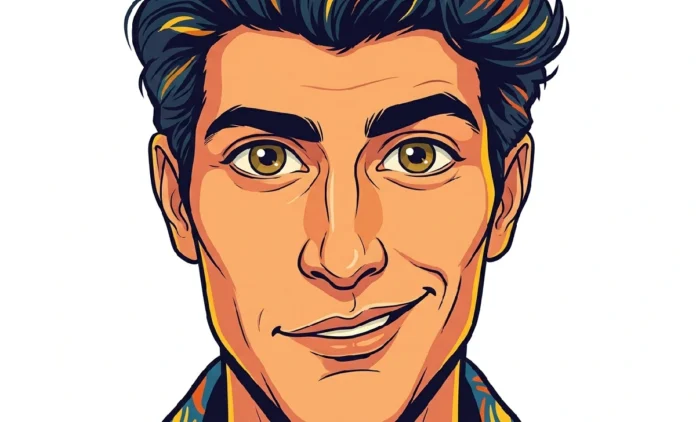
Put those together, and the concept takes shape: identity pulled apart into its essential fragments and rebuilt in a bolder, more expressive form. It’s not mockery. It’s prioritization — deciding which features of a face, a personality, or a character carry the most meaning, then amplifying them.
Unlike traditional caricature, which typically targets a specific real person for humorous or satirical effect, Caricatronchi functions as a broader aesthetic and design philosophy. It can apply to original characters, digital avatars, brand mascots, or even abstract representations of personality. The subject doesn’t have to be a real person. The goal is always the same: to make expression louder than appearance.
From Renaissance Sketches to Digital Screens
Caricatronchi didn’t emerge in a vacuum. It inherits a tradition that stretches back to 16th-century Bologna, where the Carracci family — particularly Annibale Carracci — began deliberately distorting portrait subjects for artistic and comic effect. Carracci called this ritrattini carichi, or “loaded portraits,” which is widely considered the origin point of caricature as a formal practice.
By the 18th century, artists like James Gillray in England and Honoré Daumier in France had weaponized exaggeration for political commentary. Their drawings didn’t just entertain — they shaped public opinion, challenged authority, and gave ordinary people a visual vocabulary for satire. The exaggerated feature was never accidental. It was always a choice with meaning behind it.
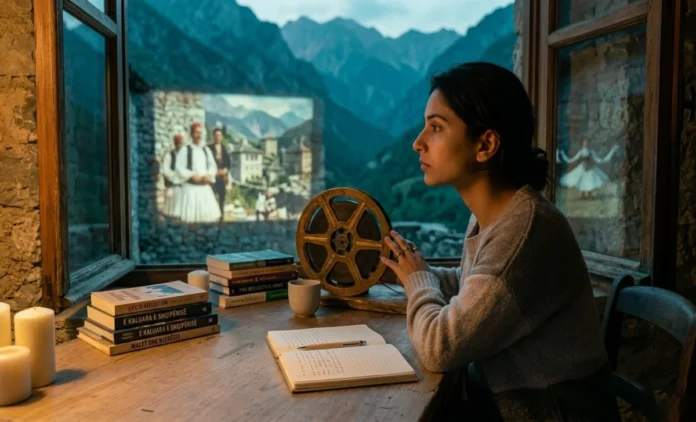
What Caricatronchi does is take that same intentionality and remove the satirical target. The exaggeration no longer needs a victim. It becomes a tool for building identity rather than critiquing someone else’s. That’s a meaningful shift — and it’s what makes this concept feel genuinely new even when its roots are centuries old. This kind of expressive visual storytelling has carried through into contemporary cinema as well; recent Albanian film offers a compelling example of how national screen cultures are increasingly using bold, stylized visual language to communicate character and identity beyond photorealistic representation.
Why Exaggeration Works — The Science Behind the Style
Here’s something the other articles on this topic have missed entirely: there is solid cognitive science behind why exaggerated faces are so powerful.
Researchers studying facial recognition have documented what’s known as the “caricature advantage” — the finding that caricatures of a familiar face are often recognized faster and more accurately than realistic photographs of the same person. Studies published in cognitive psychology journals suggest this happens because the brain responds more readily to diagnostic features — the specific attributes that make one face different from another — when they’re amplified rather than rendered with photographic accuracy.
In practical terms, exaggeration isn’t distortion. It’s clarification. It tells the brain exactly what to pay attention to. A character with unusually large, expressive eyes communicates emotional states faster than a realistically drawn face because the signal is stronger. This is why animated characters — from Disney classics to modern manga — consistently use exaggerated proportions. It’s not artistic laziness. It’s a neurologically sound design.
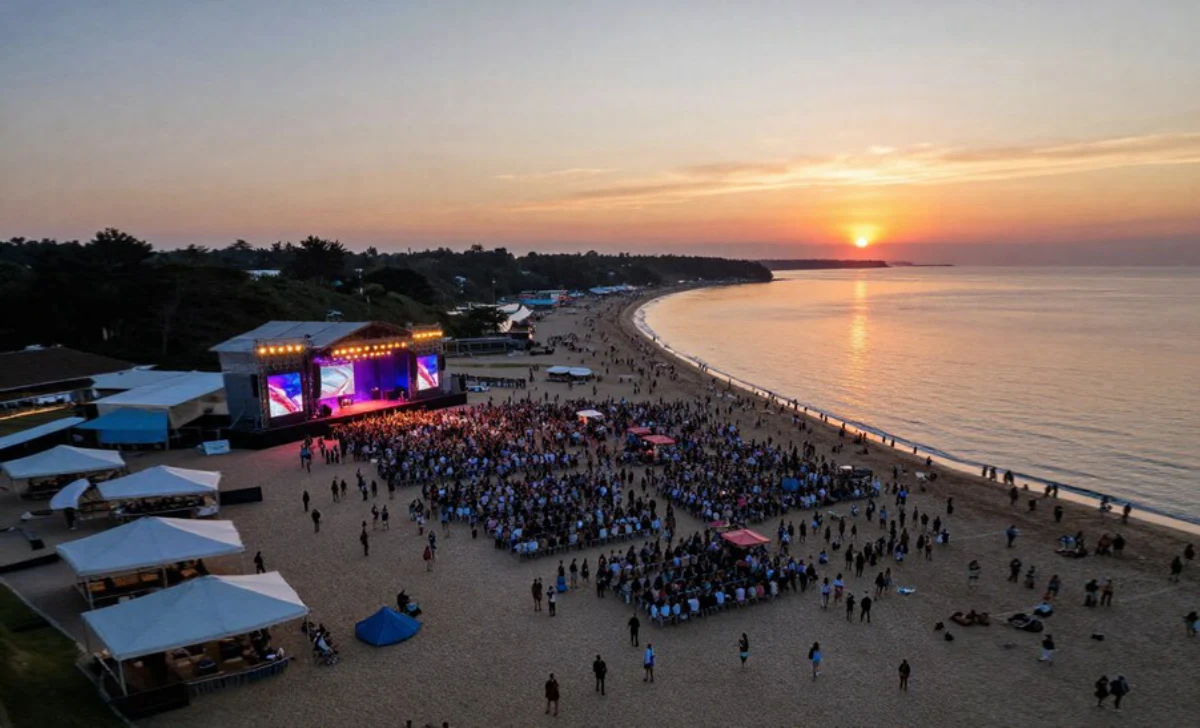
The same principle operates at scale in live performance. Consider the largest concert crowds in history — events where hundreds of thousands of people need to connect emotionally with a single performer on a distant stage. Artists who succeed in those environments don’t rely on fine detail. They build identities around exaggerated, instantly readable visual cues: a silhouette, a signature color, a gesture. Caricatronchi applies this same logic to character and brand design, building for recognition at any distance.
How Caricatronchi Shapes Digital Identity Today
You spend a significant portion of your day in digital spaces. Your profile picture, your avatar, your brand logo — these images carry more of your identity than most people consciously realize. And for a long time, the dominant pressure in those spaces has been toward realism and perfection.
Caricatronchi pushes back against that directly. It argues that a stylized, expressive image can communicate more about who you are than a polished photograph ever could. Your eyes that crinkle at the corners when you’re genuinely amused — those are data. A slightly asymmetric smile tells a story. An intense brow communicates focus and drive.
This is why brands are increasingly commissioning Caricatronchi-style mascots and characters. A stylized character with exaggerated, warm features creates an emotional connection that a corporate headshot or generic logo cannot. Think of the design logic behind characters like the Duolingo owl or early Mailchimp illustrations — there’s a deliberate expressiveness built in, because audiences connect with personality faster than they connect with professionalism.
For individuals, particularly creators and professionals building personal brands, a Caricatronchi-style avatar does something that a standard photo rarely achieves: it makes you immediately recognizable across contexts, because the distinguishing features are turned up, not smoothed down.
Where Caricatronchi Shows Up — and Why It Stands Out

The applications are broader than most people expect.
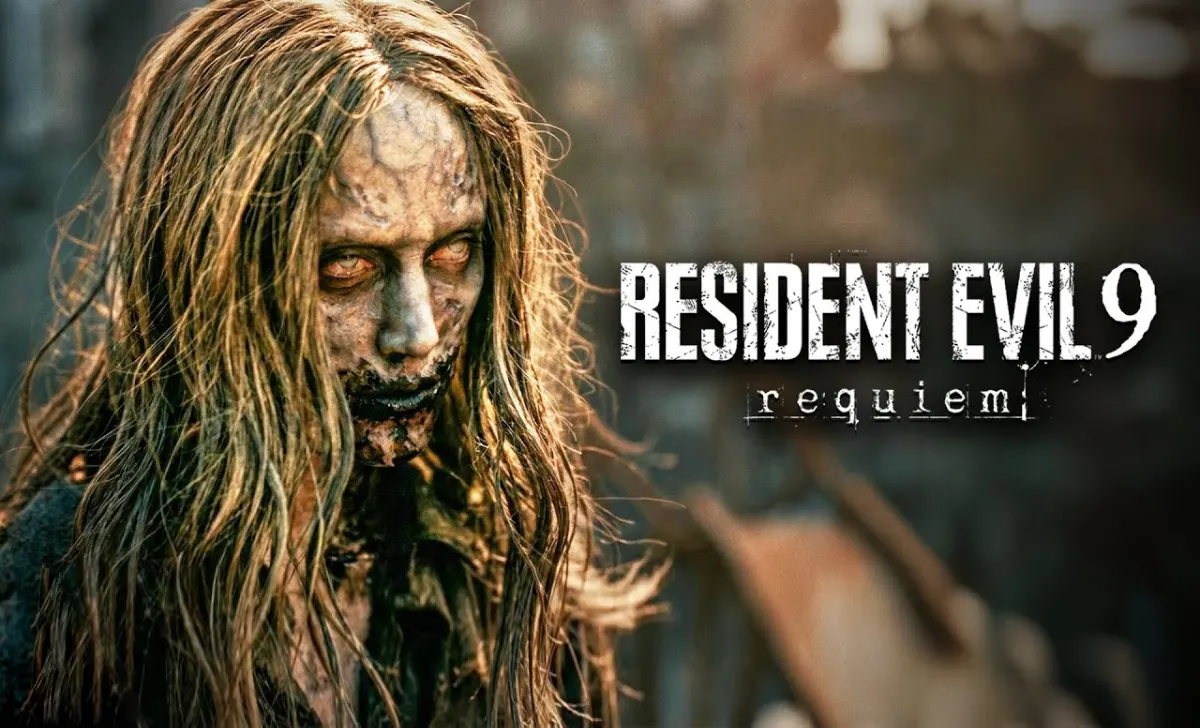
In animation and gaming, exaggerated character design has always been standard practice — but Caricatronchi as a conscious aesthetic pushes that further, toward characters whose visual design immediately communicates inner personality rather than just outer appearance. A hesitant character might have a slightly rounded, inward-leaning posture. A confident one stands with clean, strong angles. The body becomes a visual argument. Genre filmmaking has long understood this instinctively: the most anticipated horror films of 2026 continue a tradition of building monsters and villains whose physical design — elongated limbs, asymmetric features, exaggerated proportions — communicates psychological threat before a single line of dialogue is spoken. Caricatronchi gives that same expressive logic a name and a framework that designers can apply consciously.
In advertising and marketing, Caricatronchi-influenced design helps brands stand out in environments saturated with stock imagery. When every competitor shows a smiling stock-photo face, a bold illustrated character with distinct features reads as more human, not less.
In art therapy and education, the style offers a genuinely useful tool. Patients or students who find it difficult to articulate emotional states can engage with exaggerated visual representations as a starting point. Which face looks most like how you feel today? It’s a concrete question with expressive, accessible answers.
Digital tools have made this accessible to almost anyone. Apps like Procreate, software like Adobe Fresco, and AI-assisted platforms can help you experiment with proportional exaggeration even without a formal art education. The learning curve is gentler than it’s ever been.
The Future of Caricatronchi in an AI-Powered World
AI image generation tools — Midjourney, DALL·E, Stable Diffusion — have already changed what’s possible in this space. You can describe an expressive, exaggerated character and receive a starting point in seconds. What comes next is the artist’s job: refining, personalizing, and making choices about which features carry meaning.
This is important to understand. AI doesn’t replace the artistic decision at the heart of Caricatronchi — it accelerates the process of getting to that decision. The question “which feature defines this person’s expression?” is still fundamentally human.
Looking ahead, augmented reality platforms will likely make Caricatronchi-style avatars far more interactive. Your expressive digital self could move through shared virtual spaces, react in real time, and carry your personality into contexts where a photograph would be flat and context-free. The NFT market has already demonstrated appetite for distinctive, expressive character art — Caricatronchi-style designs perform well in those spaces precisely because they’re immediately recognizable at small sizes.
The ethical dimension matters too. Creating exaggerated representations of real people without consent raises genuine questions. The Caricatronchi philosophy works best when it’s a tool for self-expression rather than a mechanism for imposing a characterization on someone else.
What Caricatronchi Tells Us About Expression
Caricatronchi isn’t just an art style. It’s a position on what visual communication is for.
It says that the most interesting thing about a face is not how accurately it can be reproduced, but what it reveals about the person behind it. It draws on half a millennium of artistic tradition — from the Carracci workshop to political cartoons to modern animation — and brings that tradition forward into the age of digital identity.
If you’re a designer, it offers a principled reason to prioritize expression over accuracy. If you’re a brand, it’s a reminder that personality connects faster than polish. And if you’re anyone who’s ever felt that a standard photograph didn’t quite capture who you actually are, Caricatronchi is the art form that thinks you’re right.
FAQs About Caricatronchi
What does Caricatronchi mean?
Caricatronchi combines “caricature” (exaggerated portraiture) with the Italian tronchi (fragments or trunks). Together, the term describes a design concept where a person’s or character’s identity is broken into key features and reassembled in amplified, expressive form.
How is Caricatronchi different from regular caricature?
Traditional caricature targets a real person, usually for humor or satire. Caricatronchi is a broader design philosophy applied to original characters, avatars, and brand identities. It uses exaggeration to build personality and emotional connection, not to critique a specific individual.
Is there science behind why exaggerated faces work?
Yes. Cognitive researchers have documented the “caricature advantage” — the finding that exaggerated renderings of a face are often recognized faster and more accurately than realistic ones, because the brain is drawn to diagnostic, distinguishing features when they’re amplified.
What tools do Caricatronchi artists use?
Common tools include Procreate, Adobe Fresco, and Adobe Illustrator for digital drawing; Midjourney and DALL·E for AI-assisted ideation; and animation platforms like After Effects or Blender for character animation.
Where is Caricatronchi used practically?
Character design for animation and gaming, brand mascot creation, personal brand avatars, digital profile pictures, art therapy, and educational illustration all draw on Caricatronchi principles.
Can anyone create Caricatronchi art?
Yes. Modern digital tools have significantly lowered the barrier. A foundational understanding of which features carry personality — eyes, brow position, jaw shape, posture — is more important than technical drawing skill.