
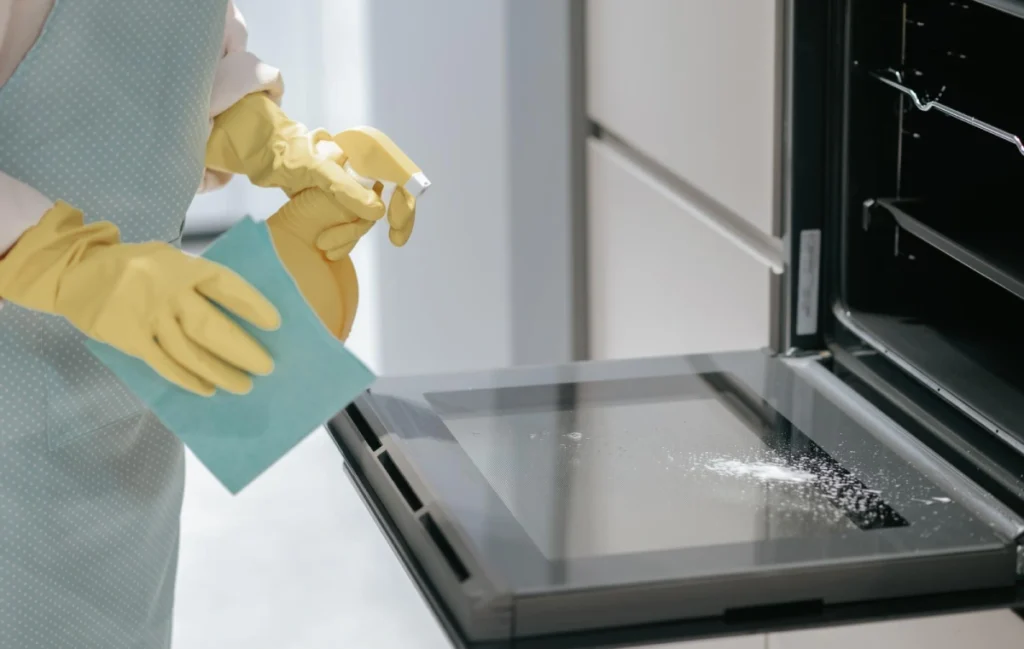
That sticky film on your stovetop. The splatters are creeping across your cabinet doors. The buildup on your range hood. Kitchen grease seems to appear overnight, turning once-clean surfaces into grimy eyesores. You reach for a commercial cleaner, spray it on, and watch the grime disappear—but at what cost?
Commercial degreasers work. They’re powerful, fast, and convenient. But they come with a catch: harsh chemicals that fill your kitchen with fumes, leave residues near your food, and require ventilation warnings. If you’ve got kids, pets, or chemical sensitivities in your home, these commercial sprays feel risky.
Here’s what most people don’t realize: you don’t need harsh chemicals to fight kitchen grease. A natural degreaser made from pantry staples cleans just as well—and costs pennies instead of dollars. Better yet, you know exactly what’s in your homemade cleaning spray, and your family stays safe.
This guide walks you through creating your own DIY kitchen cleaner using simple ingredients like vinegar, baking soda, and dish soap. You’ll get proven recipes for homemade degreaser, practical grease removal tips, and specific instructions for different surfaces.
By the end, you’ll have a grease-fighting spray that outperforms store-bought alternatives—at a fraction of the cost.
Why Natural Degreasers Beat Commercial Cleaners
Making the switch to an all-natural degreaser isn’t just about avoiding chemicals. It’s about taking control.
You Know What You’re Using
Commercial cleaners list ingredients in fine print—if they list them at all. You get vague terms like “surfactants” and “fragrance.” With a chemical-free cleaner you make yourself, every ingredient is transparent. Distilled white vinegar, baking soda, castile soap—nothing hidden.
Cost Savings Are Real
A bottle of commercial degreaser costs $4-8 and lasts for weeks. A pantry staple cleaner costs about 50 cents to make and lasts just as long. If you clean your kitchen twice a month, you’ll save $30-50 yearly. That adds up.
Safety for Your Whole Family
Harsh fumes trigger headaches, irritate lungs, and create indoor air quality problems. A non-toxic cleaning solution protects your family, pets, and the people who live in your home. You won’t need to worry about your toddler touching a clean counter or your dog breathing in spray mist.
Better for the Environment
Commercial cleaners contain synthetic chemicals that end up in wastewater. Eco-friendly cleaning with natural ingredients means less pollution. Plus, you refill one bottle instead of constantly buying disposable plastic containers.
Your Natural Cleaning Arsenal: What You’ll Need
Before mixing your first batch, understand how these ingredients work. Each one tackles grease differently—that’s why combining them makes such a powerful multi-purpose degreaser.
1. Distilled White Vinegar
A vinegar cleaner is your acid weapon. The acidity breaks the bonds that hold grease onto surfaces. It dissolves hard water deposits, cuts through film, and acts as a natural disinfectant. Don’t use regular vinegar—distilled white vinegar is cleaner and doesn’t leave staining sediment.
2. Baking Soda
A baking soda cleaner is alkaline—the opposite of acidic—which means it neutralizes and breaks down grease from another angle. It’s also a mild abrasive, so it scrubs grime without scratching delicate surfaces. Add it to your spray, and you get extra scrubbing power without harsh scouring powder.
3. Castile Soap
This plant-based soap made from olive or coconut oil is your gentle kitchen cleaner. Castile soap contains surfactants—compounds that help water and oil mix together. This makes it easier to lift grease off surfaces without the harsh detergents found in many commercial cleaners.
4. Dish Soap
Regular dish soap—the kind you use to wash plates—is a proven grease fighter. Brands like Dawn exist because they’re incredibly effective at breaking down food oils. Use it sparingly in your homemade degreaser recipe, and you’ll get serious grease-fighting power.
5. Essential Oils for Cleaning
Lemon, orange, grapefruit, pine, tea tree, and peppermint oils don’t just smell good—they have antibacterial and antifungal properties. They also contain compounds like d-limonene that actively cut grease. A few drops transform your spray into a pleasant-scented cleaner while boosting its effectiveness.
6. Citrus Peels Cleaner
Save your orange, lemon, and grapefruit peels. When infused in vinegar for two weeks, they release natural oils that become a potent citrus peel cleaner. This is zero-waste and incredibly effective.
7. Pine Sprigs and Herbs for Cleaning
Pine sprigs add a woodsy scent and mild antiseptic qualities. Rosemary and sage—herbs for cleaning—offer antimicrobial benefits. These natural additions make your cleaner smell fresh while improving its cleaning power.
Top 3 Recipes for Powerful Homemade Cleaning Solutions
These effective kitchen cleaning recipes range from simple to extra-strength. Start with the one that matches your needs.
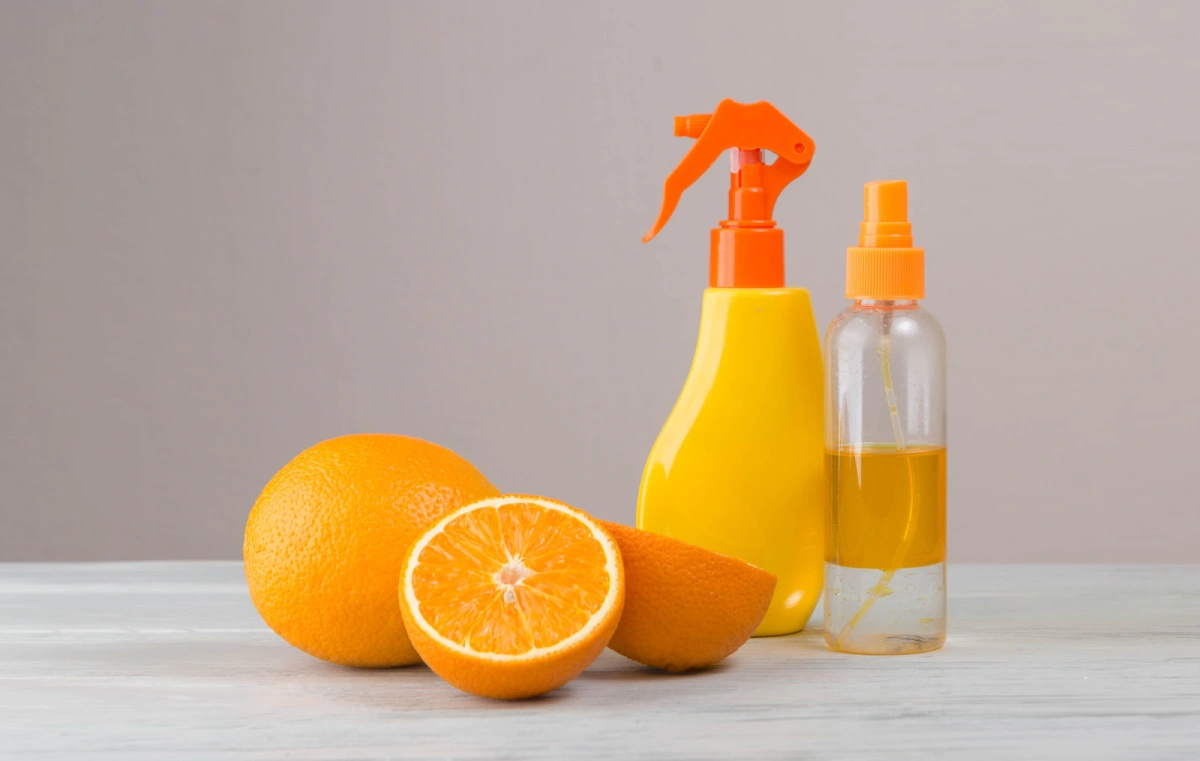
Recipe 1: The Basic Vinegar & Dish Soap Multi-Purpose Degreaser
This is your everyday workhorse. It’s simple, fast, and handles most kitchen grease. Use it on stainless steel, ceramic tile, painted surfaces, and sealed countertops.
What You’ll Need:
- 1 cup distilled white vinegar
- 3 cups warm water
- 3 drops liquid dish soap (like Dawn)
- 10 drops lemon essential oil (optional)
What You’ll Do:
- Combine ingredients in a spray bottle. Pour water first, add vinegar, then a few drops of dish soap.
- Add essential oil if you want a scent. Shake well to combine.
- Spray directly on greasy surfaces. Let the cleaner sit for 5-10 minutes so it can break down the grease.
- Scrub with a cloth or sponge, using circular motions.
- Rinse thoroughly with a damp cloth to remove all residue.
- Dry surfaces with a clean towel to prevent streaking and water spots.
Best for: Stainless steel appliances, glass, ceramic tile backsplashes, sealed granite countertops.
Recipe 2: The Heavy-Duty Baking Soda Paste Spray
When buildup is thick and stubborn, this formula packs extra scrubbing power. The baking soda gives you physical abrasion plus chemical grease-breaking.
What You’ll Need:
- 1½ cups warm water
- ½ cup distilled white vinegar
- 2 tablespoons baking soda
- 1 tablespoon castile soap or dish soap
- 10 drops of pine or lemon essential oil (optional)
What You’ll Do:
- Pour warm water into your spray bottle first.
- Add vinegar slowly—it will fizz slightly when it hits the warm water.
- Sprinkle in baking soda. The fizzing is the vinegar and baking soda reacting. Don’t worry about it foaming over; it’s normal.
- Add castile soap and essential oil.
- Gently swirl to mix—don’t shake vigorously or it’ll foam out.
- Spray on greasy areas, especially where buildup is thick (like around the stovetop or range hood).
- Let it sit for 10-15 minutes on tough spots. The longer dwell time lets the ingredients break down stubborn grease.
- Scrub with a cloth or old toothbrush, working in circles.
- Rinse thoroughly and dry.
Best for: Degreasing kitchen appliances, cleaning cabinets and countertops with built-up grease, range hoods, oven exteriors, and heavily soiled areas.
Recipe 3: The Gentle Castile Soap & Citrus Infused Formula
This is your safest option for delicate surfaces. It skips the vinegar but keeps the cleaning power, making it perfect when you need to avoid acidity.
What You’ll Need:
- 2 cups warm water
- 2 tablespoons castile soap
- 15-20 drops lemon or grapefruit essential oil
- Optional: 1 tablespoon olive oil for extra shine on wood
What You’ll Do:
- Combine all ingredients in a spray bottle.
- Shake well before each use, as oils and water separate.
- Spray onto greasy surfaces.
- Let it sit for 2-3 minutes to allow the castile soap to work.
- Wipe clean with a damp cloth.
- Dry immediately with a clean towel.
Best for: Wood cabinets, natural stone countertops, quartzite surfaces, painted finishes, and any delicate surface where you want to avoid acidity.
The Advanced Option: DIY Citrus Peel Infusion
If you want maximum grease-fighting power with minimal effort, make a citrus peels cleaner once every two weeks. This infused vinegar becomes incredibly potent for grease removal.
How to Create a Citrus-Infused Degreaser
- Collect citrus peels from lemons, oranges, grapefruits, or limes as you use them. Store them in a container.
- Fill a glass jar with peels until about halfway full.
- Pour distilled white vinegar over the peels until they’re completely covered.
- Seal the jar and let it sit in a cool, dark place for 2 weeks. The peels will infuse the vinegar with natural d-limonene, a powerful grease cutter.
- Strain out the peels using a fine mesh strainer or cheesecloth.
- Pour the infused vinegar into spray bottles, diluting 1:1 with water.
- Add 10 drops of essential oil if desired for extra scent.
This citrus-infused liquid is one of the most powerful natural degreasers you can make. Use it full-strength on tough spots or dilute it for everyday cleaning.
Surface-Specific Cleaning Tips: Use the Right Recipe
Not every grease-fighting spray works on every surface. Here’s exactly which recipe to use and how to protect your surfaces while achieving effective kitchen cleaning.
Wood Cabinets: Use Recipe 3 (No Vinegar)
Wood finishes hate acid. If you dilute vinegar on wood repeatedly, it gradually dulls the protective finish. Over time, your cabinets go from glossy to matte—and it’s hard to reverse.
What to do:
- Use Recipe 3 exclusively on wood. The castile soap is gentle but effective.
- Never spray directly on wood. Instead, spray onto a microfiber cloth first, then wipe the wood.
- Wipe with the grain of the wood, not against it.
- Dry immediately with a clean, dry cloth.
- For tough spots, create a baking soda paste by mixing baking soda with a tiny bit of water. Apply to the stain, let sit 5 minutes, then gently scrub and wipe clean.
Natural Stone & Quartzite Countertops: Avoid Acid
Marble, limestone, and granite are porous and acidic. Even diluted vinegar can etch these surfaces over time, creating dull spots that won’t shine again without professional restoration.
What to do:
- Use only Recipe 3 (no vinegar) on natural stone surfaces.
- Better yet: mix just 2 tablespoons of castile soap in 2 cups of warm water with 15 drops of lemon oil. This is the safest formula for stone.
- Spray lightly and wipe immediately.
- Always spot test in a hidden corner first.
- For quartzite specifically, it’s an engineered stone and slightly more durable, but still benefits from the gentle approach.
Stainless Steel Appliances: Recipe 1 Works Great
Stainless steel is tough and forgiving. Recipe 1 (the basic vinegar spray) works perfectly here and leaves a beautiful shine.
What to do:
- Spray Recipe 1 directly onto stainless steel surfaces.
- Let the cleaner sit for 5-10 minutes to break down fingerprints and grease.
- Wipe in the direction of the grain (this matters—it prevents streaking).
- For extra shine, do a final buff with a dry microfiber cloth, still wiping with the grain.
- Optional: rub a tiny drop of mineral oil on the cloth to add shine and protect against fingerprints.
Ceramic Tile Backsplash: All Recipes Work
Ceramic tile is nearly indestructible. You can use any recipe here—pick whichever you prefer.
What to do:
- Spray any recipe on tiles.
- Let the cleaner sit for 5-10 minutes to dissolve the grease buildup.
- Scrub tiles with a cloth. For grout lines, use an old toothbrush to scrub grime from between tiles.
- Rinse thoroughly.
- Dry to prevent water spots.
How to Use Your Natural Degreaser: Step-by-Step Process
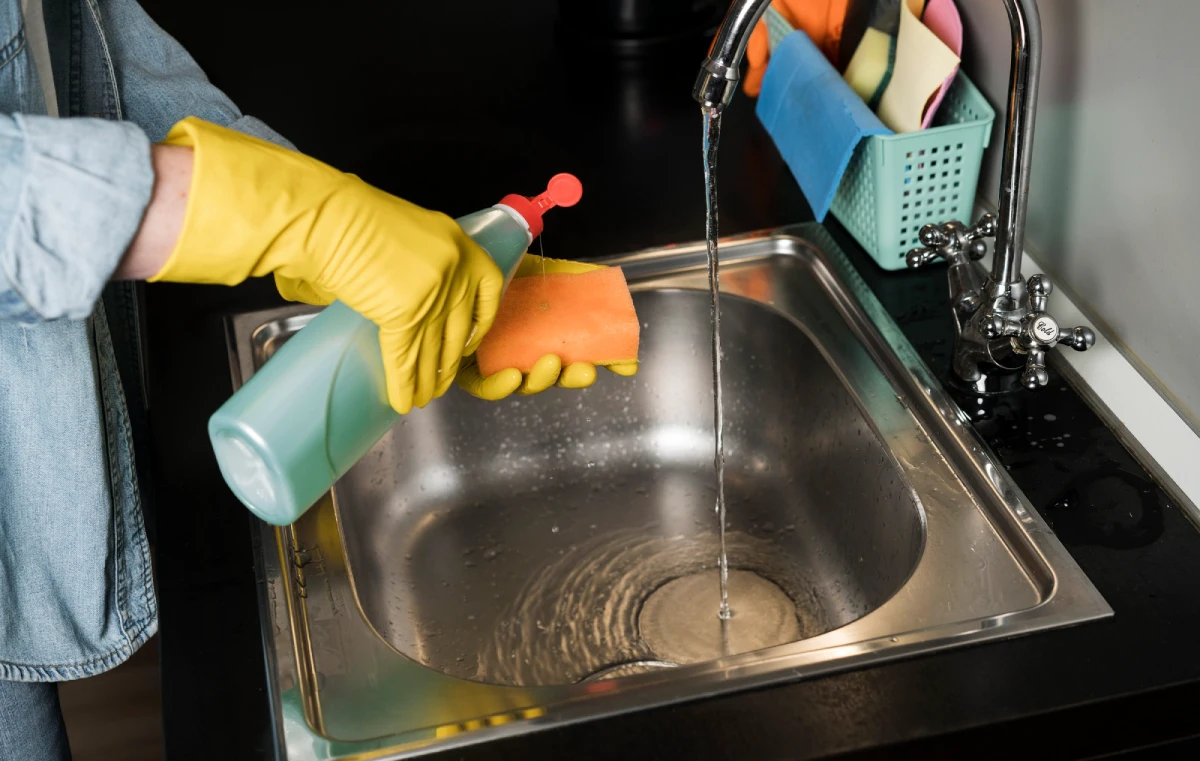
Having the right cleaner is half the battle. Knowing how to use it makes all the difference. Follow these steps for the best results with any homemade degreaser recipe.
Step 1: Do a Spot Test First
Before you spray an entire surface, test your grease-fighting spray in a hidden spot. This takes 30 seconds and prevents damage.
- Choose an inconspicuous area (back of a cabinet, corner of the countertop, inside a lower cupboard).
- Spray the cleaner on this spot.
- Let it sit for 5 minutes.
- Wipe and dry.
- Check for discoloration, dulling, or damage before proceeding.
Step 2: Spray Generously
Spray your chosen recipe directly onto greasy surfaces. Don’t be stingy—the cleaner needs to contact the grease.
Step 3: Let Cleaner Sit
This is crucial. If you wipe immediately, you’re not giving the ingredients time to break chemical bonds that hold grease to surfaces. Instead, let the cleaner sit for at least 5-10 minutes on light grease, and 15-20 minutes on stubborn buildup. On really tough spots (like inside your oven), let it sit for 30 minutes or even overnight.
Step 4: Scrub
Use a cloth, sponge, or old toothbrush to scrub grime away. For light grease, gentle circular motions work. For heavy buildup, press harder and use more elbow grease.
Step 5: Rinse Thoroughly
Rinse thoroughly with a damp cloth to remove all cleaner residue. Leaving cleaner on the surface too long can damage finishes or attract more grime. You want a clean surface, not a sticky one.
Step 6: Dry Surfaces Immediately
Dry surfaces with a clean, dry towel. This prevents water spots, mineral deposits, and moisture damage. It also helps you spot any areas you missed—if your drying cloth feels “sticky” anywhere, you need another round of cleaning.
Maintenance Frequency: How Often to Degrease
The longer you go between cleaning sessions, the harder the job becomes. Buildup gets thick, stubborn, and requires more scrubbing.
- Light kitchen use: Monthly degreasing is sufficient.
- Regular cooking: Clean every 2-3 weeks, focusing on high-splash areas around the stove.
- Heavy cooking (daily meals, frying, grilling): Weekly maintenance prevents serious buildup. Quick spot-cleaning weekly plus thorough cleaning monthly keeps everything manageable.
The key insight: 10 minutes of preventive maintenance weekly beats 2 hours of intense scrubbing monthly.
Storage & Shelf Life: Keeping Your Cleaner Fresh
Your homemade cleaning spray doesn’t last forever, but it lasts longer than you might think.
- Storage: Keep spray bottles in a cool, dark cabinet away from direct sunlight. Heat and light degrade the ingredients.
- Shelf life: Most recipes last 2-3 months. The vinegar and soap preserve each other naturally.
- Baking soda versions: If you mixed baking soda into your spray, use it within one month. The fizzing action fades as ingredients react.
- Signs it’s gone bad: If it looks cloudy, smells off, or develops mold, discard and make fresh. This is cheap to replace—just pennies in ingredients.
Safety First: What You Need to Know
While natural cleaning ingredients are safer than commercial chemicals, handle them responsibly.
Additional Safety Tips
- Ventilation: Open a window even when using natural cleaners. Good airflow prevents any buildup of fumes and makes cleaning more pleasant.
- Gloves: If you have sensitive skin, wear rubber gloves to avoid irritation from vinegar or essential oils.
- Labeling: Label your spray bottles clearly with the recipe name and date made. This prevents confusion and helps you know when to replace them.
- Storage away from children: Keep bottles out of reach of kids. While natural, these liquids aren’t meant for drinking.
- Eye protection: If you’re sensitive, wear safety glasses to prevent splashing in your eyes.
Ready to Clean Smarter?
Stop buying expensive commercial degreasers. This weekend, pick one recipe above and make your first batch. Start with the Basic Vinegar & Dish Soap formula if you’re unsure—it’s foolproof.
Spray your stovetop, your cabinet doors, your greasy backsplash. Let it sit. Scrub. Rinse. Dry. Notice how well it works. Then calculate your savings: you just spent 50 cents on a cleaner that’ll last a month. That’s eco-friendly, budget-friendly, and genuinely effective.
Share your results. Did the grease disappear? Which recipe worked best for your kitchen? Comment below or tag us on social media. We’d love to hear how your DIY kitchen cleaner performs.
FAQs
Can vinegar damage wood or stone surfaces?
Yes. The acidity in vinegar is an asset for grease removal, but a liability for delicate surfaces. On wood, repeated vinegar exposure gradually dulls finishes. On natural stone (marble, limestone, granite), vinegar can etch the surface permanently, creating dull spots that are nearly impossible to restore. Always use the gentle Recipe 3 (no vinegar) on these surfaces.
How long should I let a natural degreaser sit on a surface?
For light, fresh grease: 2-5 minutes is enough. For moderate buildup: 10-15 minutes gives the ingredients time to break down the grease. For extremely stubborn spots (range hood filters, oven interiors, heavily soiled cabinets): 30 minutes to overnight. The longer dwell time matters because it lets the acid, soap, and alkalinity do their chemical work before you scrub.
Do I need to use essential oils?
No. Essential oils add pleasant scent and can boost cleaning power, but they’re entirely optional. The core ingredients—vinegar, baking soda, and soap—do all the heavy lifting. Use essential oils if you want your kitchen to smell fresh, but skip them if you prefer the natural scent of vinegar.
Will these natural cleaners work on heavy, stubborn grease?
Absolutely. When you let your cleaner sit for 15-20 minutes and combine it with scrubbing, even stubborn grease surrenders. Recipe 2 (the baking soda version) is specifically designed for tough jobs. Add some elbow grease—literal muscle—and these natural solutions outperform commercial products.
Can I scale up these recipes for larger cleaning jobs?
Yes. If you need to clean your entire kitchen or deep-clean appliances, simply multiply the recipe. For example, Recipe 1 (1 cup vinegar, 3 cups water, 3 drops dish soap) becomes 1 gallon vinegar, 3 gallons water, and 3 tablespoons dish soap for large batches. This works equally well in a pump sprayer or bucket.
What surfaces are safe for these natural degreasers?
Recipe 1 works on stainless steel, glass, ceramic tile, sealed granite. Recipe 2 works almost everywhere except delicate stone. Recipe 3 is safest for wood, natural stone, painted surfaces, and quartzite. Always do a spot test first, especially on expensive or delicate surfaces.
How do I know when my homemade spray has gone bad?
Check for cloudiness, off-putting smells, or visible mold growth. If any appear, make a fresh batch—it costs pennies. Most recipes last 2-3 months in cool storage. Recipes with baking soda are best used within one month since the fizzing action diminishes.
Can I mix these recipes with other commercial cleaners?
Never mix with bleach or ammonia-based products. This creates toxic chloramine gas, which is extremely dangerous. Only mix the ingredients listed in these recipes. Keep your natural cleaner as a standalone solution.
What’s the difference between castile soap and regular dish soap?
Castile soap is plant-based, gentler, and biodegradable. Dish soap (like Dawn) is more concentrated and slightly more effective at cutting grease. Both work in these recipes—choose based on your preference. Castile soap is better for delicate surfaces; dish soap is better for heavy grease.
Your Kitchen Deserves Better Than Harsh Chemicals
You’ve now got everything you need to make effective kitchen cleaning solutions from ingredients already in your home. No more mystery chemicals. No more harsh fumes. No more overspending on commercial products that don’t perform much better than what you can make yourself.
The recipes here aren’t theoretical. They work because they’re based on chemistry: acid breaks grease, soap lifts oils, and alkalinity neutralizes residues. When you combine these forces and let them sit long enough, grease doesn’t stand a chance.
Start this week. Make one batch. Test it. You’ll be surprised at how effectively these natural ingredients for cleaning grease perform. Then you’ll understand why more people are ditching commercial cleaners every day.
Your kitchen will be cleaner. Your wallet will be fatter. Your family will breathe easier. That’s the power of simple, effective, natural solutions.
