
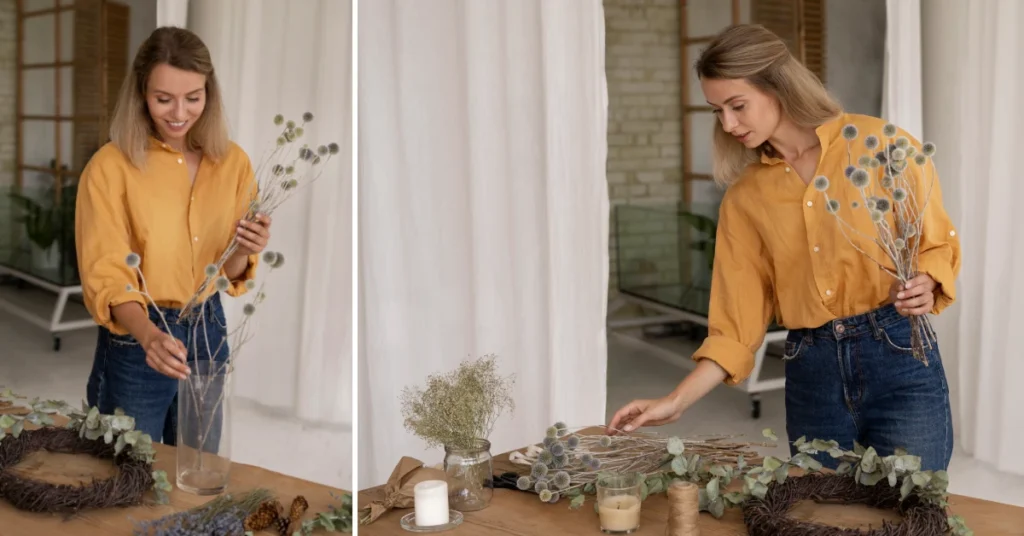
Your home feels sterile. The walls need life, but you’re tired of expensive, artificial décor that harms the environment. You want something natural, warm, and personal—something that connects your space to the outdoors without the maintenance of houseplants.
Pyntekvister solves this problem.
This Scandinavian tradition uses decorative branches to bring nature indoors. You’ll learn what pyntekvister are, how to arrange them in any room, and which types work best for your style. Whether you’re decorating for a specific season or creating year-round displays, this guide gives you practical steps to transform empty corners into cozy focal points.
Pyntekvister are decorative branches from Scandinavian tradition, typically birch, willow, or eucalyptus twigs arranged in vases or wreaths. They add natural texture to homes, cost $0-15 per bundle, and last months with proper care. You can source them from your yard, florists, or craft stores for sustainable, minimalist décor.
What Are Pyntekvister and Why Use Them?
Pyntekvister (pronounced “pint-eh-kvis-ter”) translates to “decorative twigs” in Norwegian. The practice started in Nordic countries, where families collected branches during seasonal transitions—especially in winter when fresh flowers were scarce.
These branches weren’t just decoration. They symbolized connection to nature during long, dark winters. Birch represented purification. Willow meant resilience. Evergreen twigs conveyed eternal life.
Today, pyntekvister fits modern design trends: minimalism, biophilic design, and sustainability. You get nature’s texture without plastic or chemicals.
The Nordic Origins of Decorative Branches
Scandinavian design follows three principles: simplicity, functionality, and natural materials. Pyntekvister embodies all three.
In traditional Nordic homes, people gathered branches from local forests. They arranged them in ceramic vases or wove them into wreaths for holidays. This practice maintained seasonal awareness—spring brought budding willow, autumn featured dried oak, and winter showcased frosted birch.
The tradition connects to hygge (Danish coziness) and lagom (Swedish balance). Both philosophies prioritize calm, comfortable spaces using minimal, natural elements.
Benefits: Natural Beauty Meets Sustainability
You get four main advantages when you choose Pyntekvister:
- Zero waste. Branches are often pruned of material or fallen twigs. You’re repurposing what would decompose or be discarded.
- Low cost. A bundle of branches costs $5-15 at florists. Collected from your yard? Free.
- Long-lasting. Dried branches last 6-12 months. Preserved branches can last for years. Fresh flowering branches give you 2-4 weeks of beauty.
- Versatile. The same birch branches work in modern apartments, rustic cabins, or traditional homes. You change the look by switching vases or adding seasonal accents.
Types of Pyntekvister for Different Looks
Not all branches create the same effect. Your choice depends on your aesthetic and how long you want the arrangement to last.
- Birch offers smooth, pale bark perfect for minimalist Scandinavian interiors. The delicate structure works in smaller spaces—apartments, bedrooms, bathrooms. Birch branches stay attractive for months when dried.
- Willow brings flexibility for wreaths and curved arrangements. Pussy willow (with soft buds) works especially well in spring displays. These branches bend without breaking, making them ideal for DIY projects.
- Eucalyptus adds silvery-green color and fragrance. The leaves create fuller arrangements than bare branches. Eucalyptus dries well and maintains its scent for weeks, making it popular for bathrooms and bedrooms.
- Cherry blossoms and magnolias provide dramatic flowering options. These work best fresh, lasting 1-3 weeks in water. You’ll pay $15-30 per bundle but get striking spring displays.
- Pine and fir bring evergreen texture for winter. They’re traditional for Christmas but work year-round in rustic spaces. These branches last 3-4 weeks fresh, longer when dried.
Fresh vs. Dried vs. Artificial: Which to Choose
Each option serves different needs:
- Fresh branches ($10-30) give you blooms and seasonal color. They need water, last 1-4 weeks, and require replacement. Choose fresh for special occasions or when you want spring magnolia or cherry blossoms.
- Dried branches ($5-15) last 6-12 months with no maintenance. They come in natural browns or can be painted. This is your best choice for year-round display—living rooms, entryways, office spaces.
- Artificial branches ($15-40) last indefinitely and resist dust. They lack authentic texture but work if you have allergies or want zero maintenance. These suit outdoor displays where weather damages natural materials.
- Budget comparison: If you replace fresh branches monthly, you’ll spend $120-360 yearly. One set of dried branches costs $5-15 for the entire year. Artificial runs $15-40 upfront with no replacement costs.
Creative Ways to Display Pyntekvister in Your Home
The key to successful pyntekvister styling: choose the right scale for your space.
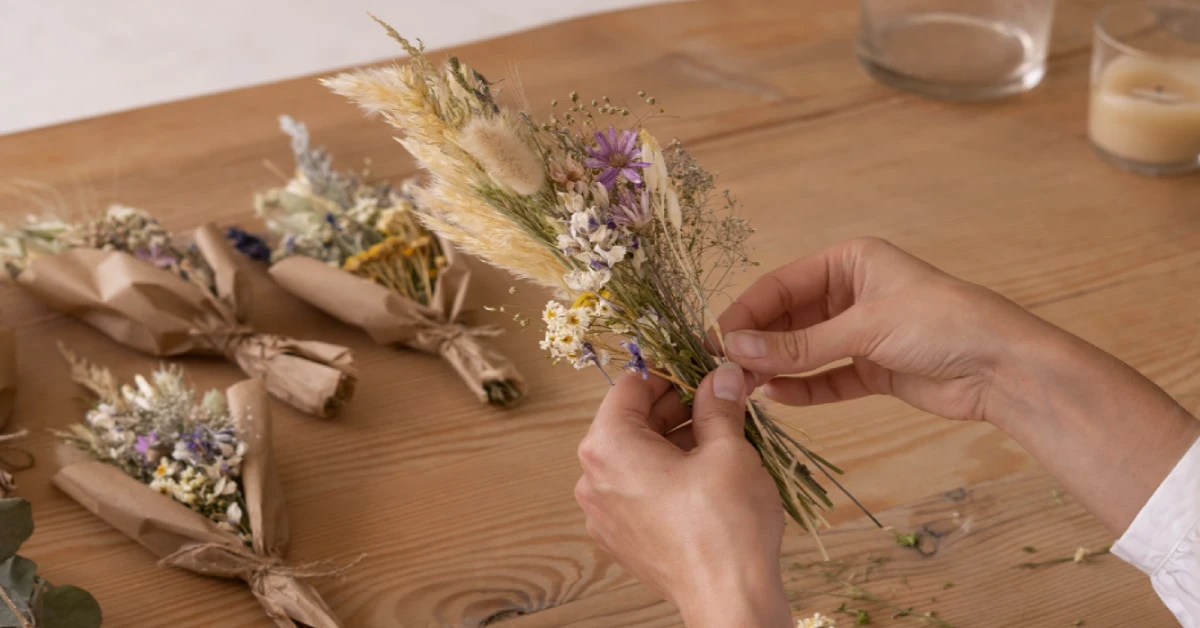
1. Living rooms
Living rooms handle tall floor vases (24-36 inches). Place one large arrangement beside your sofa or fireplace. Choose 3-5 branches of varying heights to create visual layers. Birch or dried natural branches work best here—they make a statement without overwhelming conversation areas.
2. Dining tables
Dining tables need low profiles. Use a shallow bowl with short, crisscrossed twigs (8-12 inches). Add dried berries in autumn or small LED lights for winter dinners. Keep arrangements under 10 inches tall so guests can see each other.
3. Bedrooms
Bedrooms benefit from single slim branches (12-18 inches) on nightstands. One eucalyptus or willow stem in a small vase creates a peaceful focal point. This approach is easier to dust than flowers and lasts months.
4. Entryways
Entryways set your home’s tone. A tall sculptural arrangement (30-40 inches) in a weighted ceramic vase works here. Choose branches with interesting shapes—curved willow or twisted birch. This immediately signals natural, thoughtful design.
5. Bathrooms
Bathrooms suit eucalyptus best. The moisture enhances its fragrance. Use 2-3 stems in a small glass vase on the counter or tank.
Room-by-Room Placement Ideas
Don’t place branches near heat vents or radiators. Dry heat causes brittleness and faster deterioration.
Position them where natural light highlights their silhouettes. Morning light creates beautiful shadows on the walls.
Don’t overcrowd arrangements. Scandinavian design values negative space. Three well-placed branches beat seven cramped ones.
Do use odd numbers (3, 5, 7). This creates a more pleasing visual balance than even numbers.
DIY Projects: Making Your Own Arrangements
You need basic materials: branches, a vase, pruning shears, and optional accents (lights, ribbons, paint).
- Time required: 15-30 minutes for basic arrangements, 1-2 hours for wreaths or wall art.
- Difficulty level: Beginner-friendly. No special skills needed.
Simple 3-Step Process for Beginners
Step 1: Source your branches (10 minutes)
Collect from your yard after storms or pruning. Choose branches with interesting shapes—curved, forked, or textured bark. For purchased branches, visit florists in the early morning for the best selection.
Look for branches 18-36 inches long. Remove any damaged bark or dead twigs.
Step 2: Prepare and arrange (10-15 minutes)
Cut branches at 45-degree angles if using fresh material. This helps water absorption.
For dried branches, clean with a soft cloth to remove debris.
Place the tallest branch first, slightly off-center in your vase. Add shorter branches around it, rotating the vase as you work. Create depth by positioning some branches forward, others back.
Step 3: Add accents (optional) (5-10 minutes)
Wrap LED string lights for evening ambiance. Use battery-operated lights to avoid cord clutter.
Tie ribbons at the base for seasonal color.
Add dried flowers (lavender, baby’s breath) for texture.
Common mistakes to avoid:
- Using too many branches. Start with 3, add more only if needed.
- Ignoring proportion. Your arrangement should be 1.5-2 times the vase height.
- Forgetting to secure top-heavy arrangements. Add decorative stones at the bottom for stability.
DIY wall art alternative: Mount 3-5 branches horizontally on a wall using small hooks. Space them 6-8 inches apart. This creates a geometric, modern focal point. Cost: under $10, including hooks.
Seasonal Styling Throughout the Year
Pyntekvister adapts to every season with minor changes.
1. Spring (March-May)
Use pussy willow with soft buds, cherry blossoms, or magnolia. Pair with pastel accents—light pink ribbons or fresh tulips at the base. Place in clear glass vases to maintain the airy, fresh feeling.
2. Summer (June-August)
Switch to leafy eucalyptus or green birch. These work on patios and in entryways. Combine with white or cream ceramics for a coastal feel. Add shells or driftwood to the vase base.
3. Autumn (September-November)
Choose dried oak, maple, or preserved leaves. Mix with mini pumpkins, pinecones, or cinnamon sticks. Warm browns and oranges dominate. This is when natural branches shine—no additional decoration needed.
4. Winter (December-February)
Pine, fir, and frosted birch create cozy displays. Add battery-operated fairy lights, red berries, or small ornaments. For non-holiday styling, keep branches natural and pair with thick candles.
Time-saving tip: Buy one set of dried birch branches. Change only the accents each season. This gives you fresh looks without replacing the base arrangement.
Care, Preservation, and Common Mistakes to Avoid
Proper maintenance extends your pyntekvister’s life from weeks to years.
For fresh branches:
Change water every 2-3 days. Trim stems at an angle weekly to maintain water absorption. Keep away from direct heat sources. Fresh branches last 1-4 weeks, depending on type.
For dried branches:
Dust weekly with a soft cloth or feather duster. Store in a cool, dry place away from humidity. Spray with clear matte sealant (available at craft stores) to prevent shedding and preserve color. This adds 3-6 months to their lifespan.
For painted or decorated branches:
Use acrylic paint or spray paint designed for natural materials. Apply 2-3 light coats rather than one heavy coat—this prevents flaking. Let dry completely (24 hours) before handling.
Preservation method for long-term storage:
Mix 1 part glycerin with 2 parts water. Place branch stems in this solution for 5-7 days. The glycerin replaces water in the branches, keeping them flexible and preventing brittleness. This works best for eucalyptus, oak, and maple.
What to avoid:
- Don’t place branches near cooking areas. Grease attracts dust and creates buildup.
- Don’t use branches with mold, insects, or soft bark. These won’t dry properly and can damage other décor.
- Don’t overhandle dried branches. Oils from hands can discolor pale bark like birch.
When to replace: Dried branches need replacement when they become brittle, lose color, or shed excessively. This typically happens after 8-12 months.
FAQs
Where can I buy pyntekvister?
Local florists carry seasonal branches ($10-25 per bundle). Garden centers stock preserved stems. Online craft stores like Etsy offer specialty options. You can also collect branches from your yard after pruning or storms—making this a zero-cost option.
How long do pyntekvister last?
Fresh flowering branches last 1-4 weeks in water. Dried branches last 6-12 months with proper care. Preserved or glycerin-treated branches can last several years. Artificial options last indefinitely but lack authentic texture.
Can I use Pyntekvister outdoors?
Yes, especially for covered patios or protected entryways. Dried and artificial branches handle outdoor conditions better than fresh ones. Secure arrangements in heavy vases to prevent wind damage. Expect outdoor branches to fade faster due to sun exposure—typically 3-6 months.
What’s the best vase for pyntekvister?
Choose vases with narrow openings to support branches upright. Ceramic or stoneware in neutral colors (white, gray, beige) complements natural branches best. Height should be one-third to half the total arrangement height. For 30-inch branches, use a 10-15-inch vase.
Are pyntekvister suitable for minimalist homes?
Absolutely. Minimalist design values natural materials and negative space—both central to Pyntekvister styling. Use single branches in simple vases. Avoid adding multiple colors or ornaments. Stick to the natural brown, white, or gray tones of the branches themselves.
How do I make pyntekvister arrangements more festive for holidays?
Add battery-operated LED lights (white or warm gold) wrapped around branches. Hang small ornaments using thin fishing line for a floating effect. Tie ribbons at the vase neck—red for Christmas, pastels for Easter. Place pinecones or berries at the vase base for autumn celebrations.
Conclusion
Pyntekvister gives you sustainable, affordable home décor that connects your space to nature. You’ve learned which branch types suit different rooms, how to create arrangements in under 30 minutes, and how to maintain them for months.
Start small—source 3-5 branches from your yard or local florist this week. Choose a vase you already own. Arrange them following the steps in this guide. You’ll create a natural focal point that costs under $15 and lasts for months.
The beauty of pyntekvister lies in its simplicity. You don’t need special skills or expensive materials. You need branches, a vase, and a willingness to bring nature indoors.
