
How We Research, Write, and Review Every Article
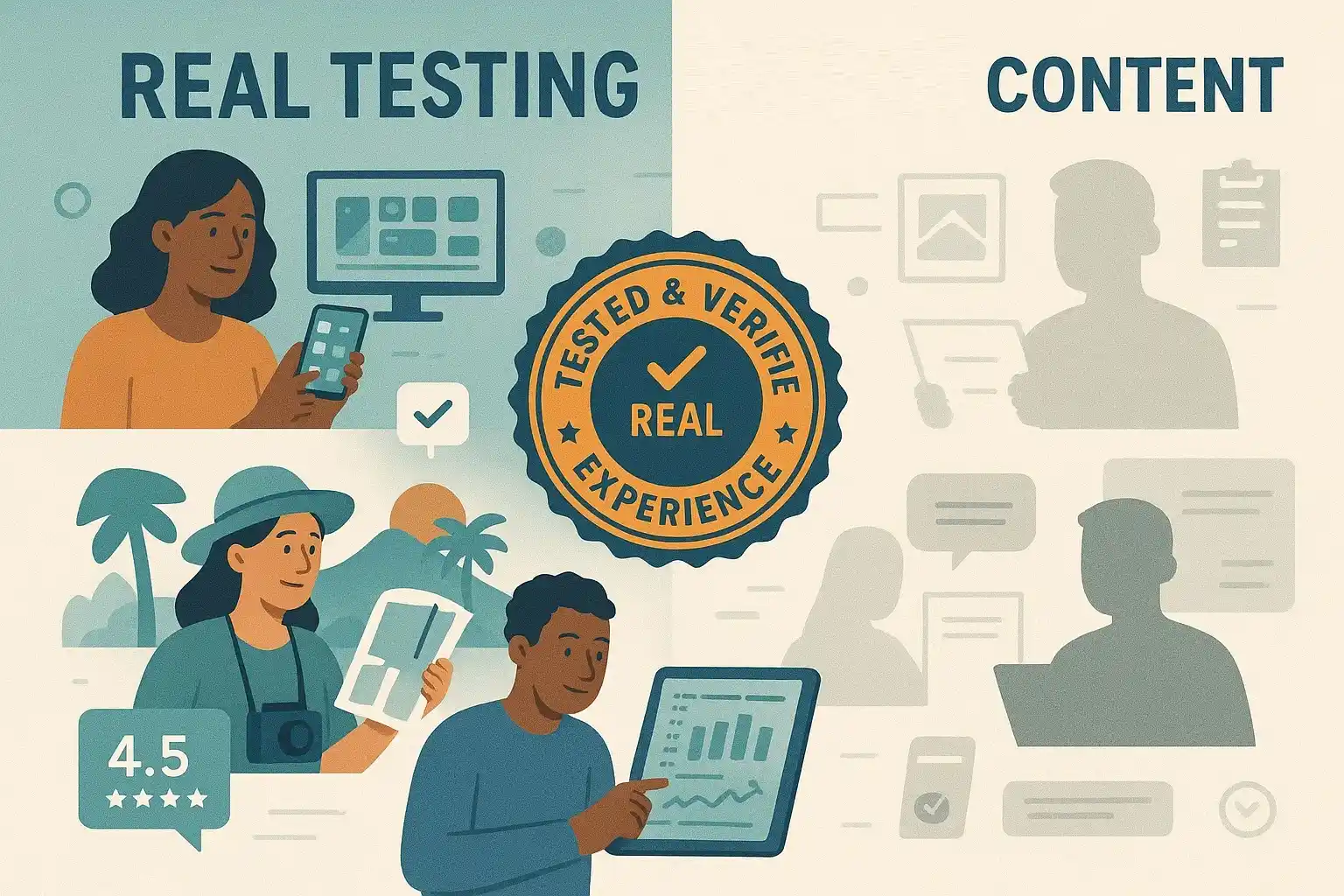
You’re probably here because you read something on this site and want to know — is this information actually reliable? Did someone verify this before publishing it?
That’s a fair question. Here’s exactly how every article gets made, from idea to publish.
Step 1: Topic Selection
We only write about a topic when we have a writer who has direct experience in that subject area.
No experienced writer available — no article. That’s the rule.
Topics come from three places. First, reader emails and comments — when the same question comes up repeatedly, it becomes an article. Second, the writer’s own subject area — they identify gaps in their field that haven’t been covered well. Third, search data — we look at what people are searching for and whether they’re actually finding useful answers.
Topics we don’t take on: trending subjects where we have no experienced writer, and areas where research alone isn’t enough but hands-on experience is required.
Step 2: Writer Assignment
Every category has a dedicated writer.
Tech articles go to Alex Carter — he personally tests gadgets and software before reviewing them. Legal articles go to Sarah Mitchell — she’s trained in legal research and explains it in plain language. Home improvement is covered by Tom Wilson — he does the projects himself first. Business strategy goes to Mark Turner — 10+ years of consulting with real companies behind every article.
There’s no cross-assignment. The tech writer doesn’t cover wellness. The business writer doesn’t handle auto coverage.
If you want to know who wrote a specific article and what their background is, every writer’s full profile is on the team page.
Step 3: Research and Drafting
Before writing, the writer does primary research — using the product, checking original data sources, or directly testing the subject.
For tech reviews, Alex uses the product himself for at least two weeks, keeps notes, then writes.
For legal articles, Sarah checks primary legal sources — actual laws and official guidance — then translates them into plain language.
For business articles, Mark uses real company data and market information rather than relying on theory.
For home improvement guides, Tom completes the project himself — or directly verifies each step with a qualified source when that’s not possible.
Every claim in the draft needs a source or a personal observation behind it. Assumptions aren’t allowed.
Step 4: Daniel’s Fact-Check
The draft goes to Daniel Blake.
His job is one thing: verify every claim. He builds a tracking sheet. He checks each point individually. If a claim can’t be verified, it gets removed or sent back to the writer with a request for a source.
This step sometimes holds articles up for weeks. That’s intentional.
Daniel doesn’t approve an article because it reads well. He approves it when every fact has solid evidence behind it.
Step 5: Ryan’s Editorial Review
The verified draft goes to Ryan David.
Ryan isn’t a fact-checker — he reads the article as a reader would. His one question is: does this article actually solve a real problem for a real person?
He finds the parts that are confusing, the steps that are missing, the follow-up questions the article raises but doesn’t answer. He specifically looks for things the writer assumed the reader would already know — but wouldn’t.
If Ryan’s answer isn’t yes — the article goes back.
Step 6: Publishing
When both Daniel and Ryan sign off, the article goes live.
Every published article shows the writer’s name, their byline, and links to their author page where you can read their background. Nothing on this site is published anonymously.
Affiliate links are disclosed clearly wherever they appear. Sponsored content is labeled. There’s no native advertising designed to look like a regular article.
Step 7: Updates
Publishing isn’t the end.
When an article becomes outdated — a price changes, a law gets updated, a product gets discontinued — we update the article and note the revision date at the top. We don’t leave articles live when we know the information is no longer accurate.
Do We Ever Get Things Wrong?
Yes. Any blog that claims otherwise isn’t being straight with you.
When a mistake turns up in one of our articles — whether a reader points it out or we catch it ourselves — we fix it publicly. The correction is noted at the top of the article. It isn’t quietly removed and replaced.
If you’ve spotted a factual error in something we’ve published, let us know directly. We take it seriously.
A Note on Affiliate Links and Sponsorships
Some articles contain affiliate links. This means if you buy something through that link, we earn a small commission — at no extra cost to you.
Those commissions don’t change our recommendations. If a product didn’t perform well during testing, it doesn’t get a positive review regardless of the commission rate.
Sponsored content on this site is labeled. No sponsored post is designed to look like an independent article.