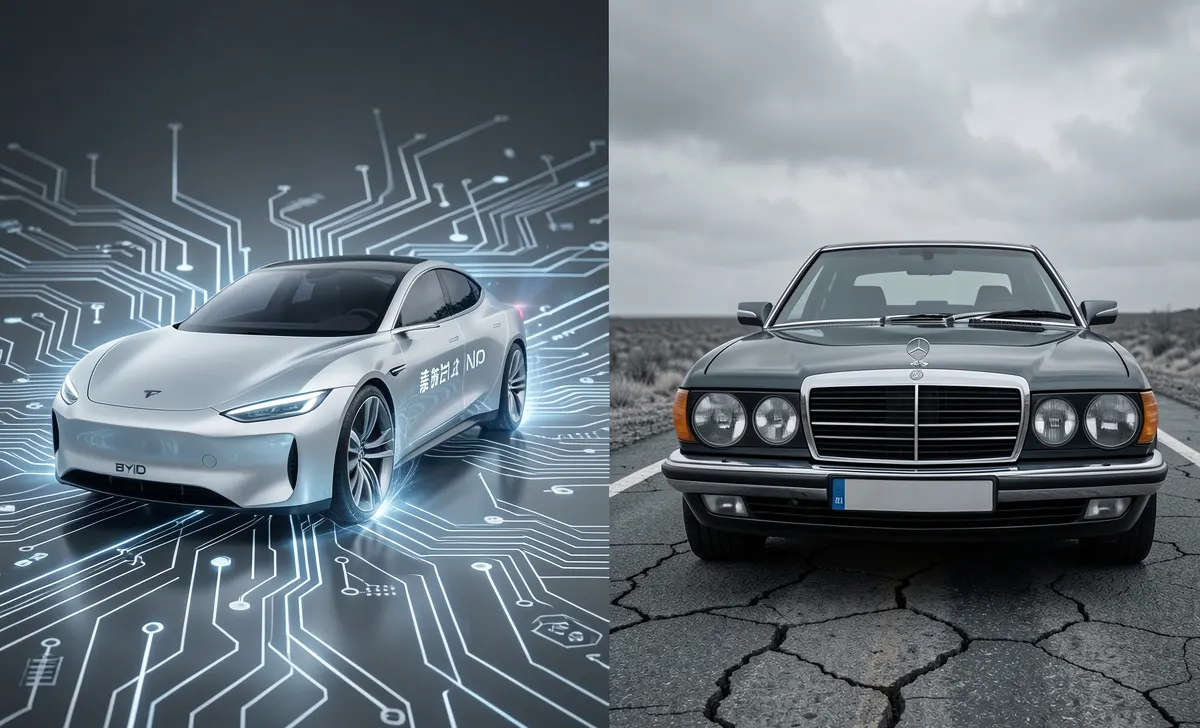
For over a century, Europe’s automakers have been the undisputed champions of automotive engineering, luxury, and brand prestige. Names like Mercedes-Benz, BMW, and Volkswagen have dominated global roads and defined industry standards. But a seismic shift is underway, and the competitive landscape is being redrawn at a staggering pace. By 2026, the European auto industry faces a perfect storm of challenges that threaten its very dominance. The primary force behind this upheaval? China.
This isn’t just about cheaper cars. It’s a full-spectrum assault on Europe’s core automotive competencies. For industry professionals, investors, and car enthusiasts, understanding this shift is no longer optional—it’s critical for making informed decisions about careers, investments, and purchases. In this analysis, we’ll cut through the noise and break down the three fundamental ways Chinese automakers are outmaneuvering their European rivals. You’ll learn how China’s control of the battery supply chain creates an insurmountable cost advantage, how their software-first approach is redefining the car, and how aggressive pricing and rapid brand evolution are winning over European consumers. The stakes have never been higher.
From Partners to Predators
The relationship between European and Chinese automakers was once symbiotic. European brands entered the Chinese market through joint ventures, sharing technology for market access. This, however, proved to be a strategic miscalculation. Chinese companies absorbed advanced engineering and manufacturing knowledge at an astonishing rate. Meanwhile, strict protectionist policies in China ensured domestic brands had a safe home market to grow, scale, and innovate without the same level of foreign competition as European markets allowed.
Fast forward to today, and the pupil has become the master—and a direct competitor. Brands like BYD, NIO, and XPeng are no longer copycats; they are innovators, particularly in the realm of electric vehicles (EVs). The European Union’s ambitious 2035 ban on new internal combustion engine (ICE) car sales has effectively set the battlefield: the future is electric, and China is already several laps ahead. This context is crucial for understanding the depth of the 2026 European auto crisis. By then, the full weight of these competitive advantages will hit the European market, coinciding with stringent Euro 7 emissions standards and potential economic headwinds.
Winning Way #1
The most significant and structural advantage China holds is its vertical integration of the EV supply chain, particularly for batteries. An EV’s battery pack can constitute 30-40% of its total cost. China dominates every single stage of this value chain.
- Raw Material Processing: Chinese firms control a vast majority of the global processing capacity for critical minerals like lithium, cobalt, and graphite.
- Cell Manufacturing: CATL and BYD are the world’s largest battery manufacturers. Their scale drives down costs through efficiencies that European start-ups can’t match. CATL’s “condensed battery” technology promises greater energy density at lower cost.
- Gigafactory Scale: Chinese automakers are building massive, hyper-efficient Gigafactories in Europe itself (e.g., BYD in Hungary). This localizes production, avoids tariffs, and showcases advanced manufacturing techniques like integrated Gigapress casting, which reduces a car’s underbody parts from hundreds to just a few, slashing production time, cost, and complexity.
The Result? A crushing cost advantage. Analysts at BloombergNEF estimate Chinese battery cell costs are roughly 20% lower than those in Europe or North America. This allows a Chinese automaker to offer a well-equipped, mid-size EV like the BYD Seal at a price thousands of euros below a comparable Volkswagen ID.7, while likely maintaining a healthier profit margin. For European automakers, reliant on a fragmented network of external suppliers, closing this cost competitiveness gap before 2026 is their single greatest challenge.
Winning Way #2
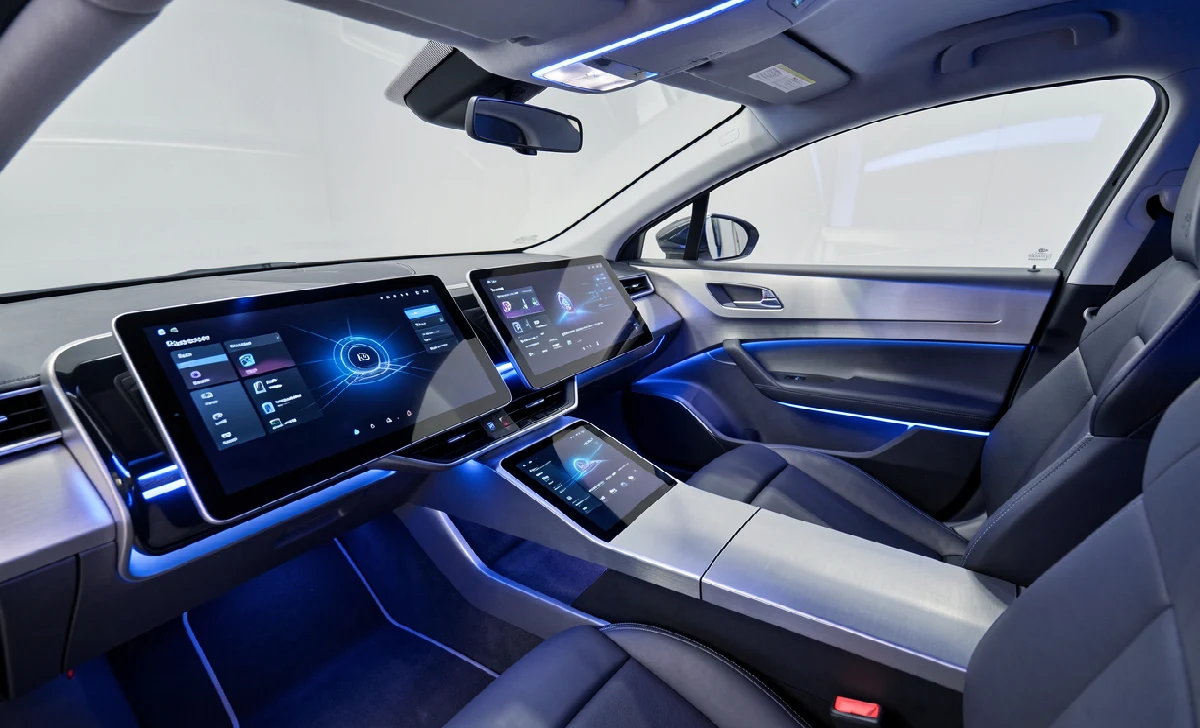
European excellence has historically been defined by mechanical engineering—engine performance, ride quality, and chassis dynamics. China is fighting the battle in the digital realm, building Software-Defined Vehicles (SDVs) from the ground up.
- Tech-Stack Integration: Chinese EVs are designed as rolling smartphones. Their infotainment, driver-assistance systems (ADAS), and core vehicle functions are deeply integrated into a cohesive, user-friendly software platform. Features like over-the-air (OTA) updates are frequent and substantial, adding new functionality years after purchase.
- Speed to Market: Freed from legacy ICE platforms and bureaucratic corporate structures, Chinese firms can develop a new model from scratch in under 24 months—a process that takes most European OEMs 4-5 years. This agility allows them to iterate quickly, respond to trends, and flood the market with fresh, tech-forward options.
- The User Experience Focus: The interior of a NIO or XPeng is a tech-lover’s cabin, dominated by large, responsive screens, voice assistants, and connectivity features that feel intuitive and modern. This creates a powerful brand perception shift, especially among younger, digital-native buyers for whom software experience is as important as horsepower.
While German engineers perfect the driving dynamics, Chinese product managers are perfecting the digital living room on wheels. In the race to define the future car, software is the new horsepower.
Winning Way #3
China’s playbook extends beyond the factory and the code. Their market strategy is a masterclass in aggressive, long-term customer acquisition.
1. The Price Wedge Strategy: Chinese brands are entering Europe with a clear price advantage of 20-30% over equivalent European EVs. This isn’t just “dumping”; it’s a strategic wedge to gain critical market share, build brand awareness, and establish a foothold. They can afford this due to the cost advantages outlined above. For cost-conscious European consumers facing high inflation, this value proposition is irresistible.
2. The Fast Track to Premium: Don’t mistake low prices for a lack of ambition. Brands like NIO and Zeekr are attacking the luxury seeker segment directly. NIO’s battery-swapping stations, premium lounges (NIO Houses), and concierge service are explicitly designed to build a high-end ecosystem, not just sell a car. They are bypassing the traditional decades-long brand-building journey by offering superior technology and service from day one. This rapid brand evolution challenges the very foundation of European luxury auto prestige.
The European Counter-Offensive: Can It Work?
European automakers are not standing still. Their response includes:
- Developing Proprietary Battery Tech: Volkswagen’s PowerCo and Stellantis’s ACC joint venture aim to build regional supply chains.
- Software Catch-Up: Massive investments in in-house software divisions (e.g., Volkswagen’s Cariad, though plagued with delays).
- Lobbying for Protection: Pushing the EU for tariffs on Chinese EVs and investigating state subsidies to level the playing field.
However, these are defensive, long-term moves. The 2026 deadline is uncomfortably close. The real question is whether these efforts can mature fast enough to stem the tide of competitively priced, tech-savvy Chinese models hitting dealerships now.
Crisis or Opportunity?
For investors, this crisis creates a polarized landscape. Traditional European auto stocks face significant headwinds—eroding market share, margin pressure, and massive capital expenditure needs. Their valuations already reflect this anxiety.
Conversely, the disruption creates opportunities. The winners will be companies that supply essential, hard-to-replicate technology (e.g., specific semiconductor or battery material firms). Some may look at direct investment in Chinese automakers, though this carries its own set of geopolitical risks and requires careful analysis of their long-term global strategy, much like assessing a Li Auto investment.
Conclusion
The 2026 European auto crisis is not a forecast of certain doom, but a stark warning and a call to action. The three ways China is winning—supply chain dominance, software leadership, and aggressive market strategy—have exposed vulnerabilities in Europe’s automotive fortress.
FAQs
What is the biggest threat Chinese EVs pose to Europe?
The biggest threat is systemic. It’s not one model, but the combination of overwhelming cost advantage, faster innovation cycles, and a strategic willingness to operate on thin margins to gain market share. This threatens the profitability and ultimately the survival of slower-moving European brands.
Are Chinese cars really as good as European ones in terms of quality?
The gap has closed dramatically. In terms of paint, interior materials, and fit-and-finish, leading Chinese brands like BYD and NIO are now on par with volume European brands. Where they often excel is in technology integration and standard equipment levels. Traditional European strengths in nuanced ride and handling may still hold, but for the average consumer, the difference is no longer a clear differentiator.
Will the EU impose tariffs on Chinese electric cars?
It is highly likely. The EU is currently investigating Chinese state subsidies, and tariffs are the most probable outcome. However, these tariffs need to be substantial (likely 20-30%) to negate the Chinese cost advantage, and they risk triggering a trade war that could hurt European exporters.
Should I buy a Chinese EV in Europe today?
If your priority is cutting-edge technology, extensive standard features, and the best price-to-value ratio, then a Chinese EV is a compelling choice. However, consider resale value (which is currently unknown) and the long-term stability of the brand’s service network in your region. It’s a decision that balances budget-conscious value with a degree of future uncertainty, not unlike navigating costly car mistakes when making a major purchase.
Which European automakers are best positioned to compete?
Volkswagen Group has the scale and is making the most aggressive (if rocky) push into EVs and software. Stellantis, with its pragmatic, cost-focused CEO Carlos Tavares, is also maneuvering shrewdly. Luxury brands like Mercedes-Benz and BMW may be more insulated in the short term due to stronger brand loyalty, but even they are vulnerable in the long run.
How will this affect used car prices in Europe?
An influx of affordable new Chinese EVs will likely depress resale values of mainstream European EVs, particularly those from just 2-4 years ago. This creates a “value trap” for consumers and a significant risk for leasing companies, which base their rates on predicted future values.