
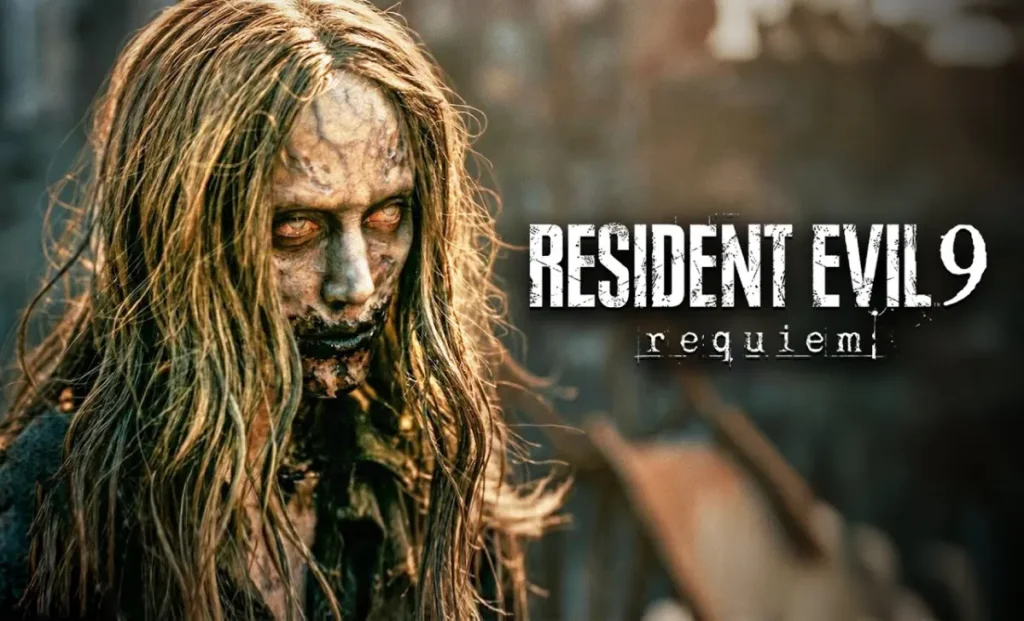
The launch of a new Resident Evil game is a major event, and the marketing for Resident Evil Requiem has taken a distinctly cinematic turn. The live-action short film Evil Has Always Had A Name, starring acclaimed horror actor Maika Monroe, is more than a simple promotional clip. It represents a sophisticated strategy to blend high-quality filmmaking with deep video game lore, creating a powerful and emotionally resonant bridge for fans.
This piece explores the production, narrative, and strategic significance of this project, examining how it leverages Monroe’s unique horror pedigree and advanced filmmaking techniques to craft a new model for game promotion.
The Live-Action Trailer as a Strategic Marketing Bridge
The Evil Has Always Had A Name short film serves as a crucial connector between the audience and the upcoming game, Resident Evil Requiem. Unlike traditional trailers that directly showcase gameplay, this nearly four-minute narrative film, directed by music video veteran Rich Lee, opts to build atmosphere and emotional stakes. Released via cryptic QR code posters in New York and Los Angeles before its official YouTube debut, its launch was an event designed to generate mystery and discussion, leveraging scale and spectacle in ways that recall history’s largest concert crowds—creating moments of shared cultural experience.
This approach signifies a shift in how major game franchises are introduced. By presenting a self-contained, heartbreaking story of a mother and daughter during the Raccoon City outbreak, the marketing focuses on the world and emotional tone of Resident Evil rather than its mechanics. Maika Monroe’s involvement is a key pillar of this strategy. Her reputation, solidified by modern horror classics like It Follows and the recent critical hit Longlegs, brings instant credibility and a specific aura of artistic horror to the project. Her comment that the short film had “a lot of heart” underscores this intent to connect on a human level, making the inevitable horror more impactful. This method doesn’t just sell a product; it builds an immersive narrative invitation.
Deconstructing the Chaos: Production Design and Nostalgic Execution
To understand the short film’s impact, one must look past the storyline to its execution. The reported “chaos” of the shoot, described by Monroe with police, dogs, smoke machines, and crowds of zombie extras, was meticulously crafted to achieve a specific, nostalgic vision. A significant factor, commonly observed in high-end commercial and film production today, was the likely use of Virtual Production Stage technology. This allows filmmakers to project hyper-realistic, dynamic backgrounds onto massive LED walls in real-time. For a project requiring the specific, period-accurate decay of 1998 Raccoon City, such technology provides controlled, repeatable, and immersive environments that would be incredibly difficult and costly to achieve purely with location shooting in Mexico City.
The commitment to authentic, practical effects further deepens the film’s texture. Monroe’s transformation into a zombified creature at the story’s conclusion required approximately three and a half hours of prosthetic application. This dedication to physical makeup over purely digital effects creates a tangible, visceral horror that resonates with the gritty aesthetic of the original Resident Evil games and their recent remakes. Director Rich Lee’s background in high-concept music videos for artists like Billie Eilish and Lana Del Rey is evident in the short’s visual language—stylized compositions, a careful control of color (notably the pervasive reds), and a rhythmic editing pace that builds tension. The goal, as Monroe noted, was a feeling of “nostalgia,” directly tapping into the series’ roots in late-90s survival horror.
Narrative Echoes: How the Short Film Mirrors and Foreshadows the Game
The short film’s plot is not a random zombie vignette; it contains deliberate narrative echoes that connect thematically to the forthcoming Resident Evil Requiem. While Monroe does not portray a canon character from the games, her story functions as a powerful thematic prelude. Her character, an unnamed mother desperately trying to protect her daughter during the initial outbreak, mirrors the core struggle reported in leaks about the game’s protagonist, Grace Ashcroft.
According to available information, Grace is an FBI analyst investigating her own mother’s murder in Requiem. Both stories, therefore, are driven by maternal loss and a search for truth in the aftermath of trauma. The short film visualizes the moment of loss within the iconic Raccoon City disaster, while the game reportedly deals with its long-term consequences years later. Furthermore, the short film’s meticulous return to the series’ 1998 origins—featuring classic enemies like Lickers and zombies referred to by the original term “Cannibal Disease”—re-establishes the grim, grounded tone. This sets clear expectations for the game, which is directed by Resident Evil 7’s Koshi Nakanishi, signaling a return to pure survival horror after the more gothic fantasy elements of Resident Evil Village.
Maika Monroe and the Curated Path of a Modern Horror Icon
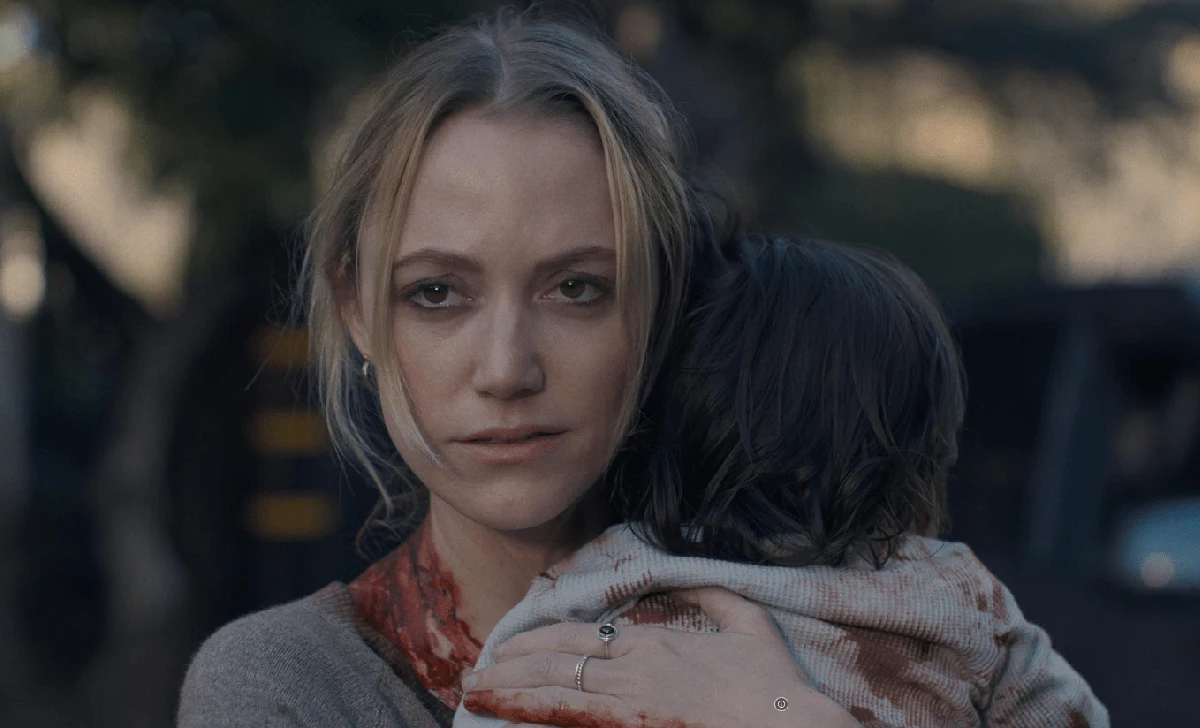
Maika Monroe’s role in this project cannot be overstated as a mere celebrity cameo. Her participation represents a calculated alignment of brand and artist. In her exclusive interview, Monroe was clear about her selective approach to horror post-Longlegs, stating it would take “something very specific” to draw her back to the genre. This short film, with its narrative depth and high-production values, fits that criteria perfectly.
Analyzing her career trajectory reveals a strategic curation. After her breakout in the indie darling It Follows, she has chosen projects that either redefine horror subgenres (Longlegs) or step away from them entirely to avoid typecasting—a calculated move within the broader new horror renaissance reshaping genre filmmaking. Her excitement for the confirmed sequel, They Follow, and her deliberate choice of this Resident Evil short film demonstrate a focus on projects with a strong directorial vision and substantive roles.
For Capcom, Monroe’s association brings an aura of prestige and contemporary horror relevance that elevates the trailer beyond typical marketing. For Monroe, it allows engagement with a massive global franchise on her own terms—through a compact, character-driven story that showcases her strengths without a long-term filming commitment, even as she explores alternative terrain like the upcoming comedy movies of 2026. This symbiosis is a hallmark of modern, sophisticated talent partnerships.
Prestige Trailers and the Evolution of Game Marketing

Evil Has Always Had A Name exists within a broader context of evolving video game marketing and adaptation. It represents a “third path” distinct from other Resident Evil live-action endeavors. It is neither a direct translation of a game’s plot (like the 2021 Welcome to Raccoon City film) nor a loose, blockbuster-inspired franchise like the Milla Jovovich film series. It also differs from the upcoming Zach Cregger (Barbarian) film, which is reported to tell an entirely original story within the universe.
Instead, this short film is part of a growing trend of “prestige” live-action trailers—high-budget, cinematic experiences designed to generate hype through emotional storytelling and visual spectacle. This approach treats the game’s world with a filmic seriousness that appeals to both core fans and a broader audience of film enthusiasts. The reaction within fan communities has generally been positive, with many noting the short film’s quality surpasses that of some recent full-length Resident Evil adaptations. This strategy leverages the cultural cachet of film to enhance the perceived value of the game, suggesting that the game itself will offer a narrative and atmospheric experience worthy of such a prologue.
A New Model for Bridging Two Creative Worlds
The Resident Evil Requiem live-action trailer is a multifaceted success. It functions as effective marketing, a compelling short film, and a meaningful piece of transmedia storytelling. By leveraging advanced production techniques, it creates a believable and nostalgic slice of the game’s world. Through its carefully constructed narrative, it establishes core themes that resonate with the upcoming game’s leaked storyline. Most importantly, by partnering with Maika Monroe—an actor known for her discerning choice in horror projects—it gains a layer of credibility and artistic intent.
This project demonstrates that the most effective marketing between film and games is no longer about simple cross-promotion. It is about creating bridge content that respects the intelligence of the audience, the integrity of the game’s lore, and the power of cinematic storytelling. As the lines between these media continue to blur, Evil Has Always Had A Name stands as a sophisticated example of how to honor both, setting a high standard for what a game trailer can be.
