
You’re renovating your home or designing a commercial space. You need materials that last, look stunning, and won’t harm the environment.
Sodiceram delivers exactly that—ceramic solutions that blend strength with style. This brand offers floor tiles, wall ceramics, and decorative pieces that work in kitchens, bathrooms, offices, and outdoor areas. You’ll learn what makes these products different, how they perform in real spaces, and why architects and homeowners trust them for projects that need to last decades.
Sodiceram is a ceramic manufacturer that creates tiles and surfaces using sodium-enhanced compounds combined with traditional clay materials. This produces ceramics with superior durability, thermal stability, and design versatility. Unlike standard ceramics, Sodiceram products undergo specialized high-temperature processing that creates dense, non-porous surfaces resistant to moisture, stains, and cracking.
Why Choose Sodiceram Ceramic Solutions
Sodiceram products resist wear from heavy foot traffic, temperature extremes, and daily use. The high-density manufacturing process creates surfaces that maintain their appearance for 20+ years with minimal maintenance.
Laboratory tests show these ceramics withstand impact forces 30% better than conventional tiles. You won’t see chips, cracks, or fading—even in high-traffic commercial spaces.
Design Flexibility
You get hundreds of options:
- Floor tiles in formats from 12×12 inches to 48×48 inches
- Wall ceramics with matte, glossy, or textured finishes
- Decorative pieces featuring geometric patterns, stone effects, or wood-look designs
- Outdoor tiles with slip-resistant surfaces
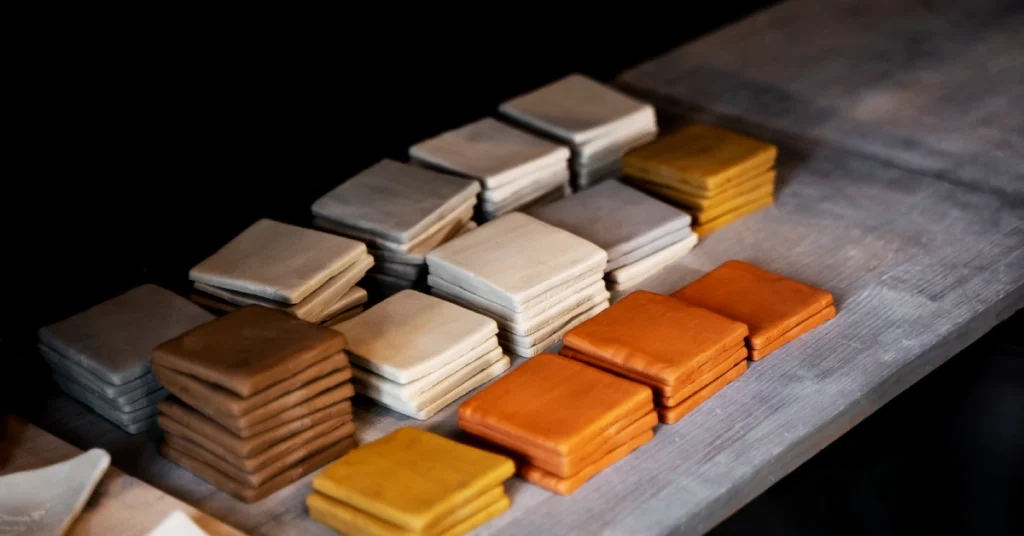
Color ranges include neutral taupes and warm terracottas through to bold burgundies and sage greens—matching 2026’s design trends toward earthy, tactile materials.
Sustainable Manufacturing
Sodiceram reduces environmental impact through:
- Recycled content: Up to 40% recycled ceramic materials in select products
- Energy-efficient kilns: 25% lower energy consumption than the industry average
- Water recycling: 90% of production water is recaptured and reused
- Long lifespan: Fewer replacements mean less waste
The company holds ISO 14001 environmental certification and supports circular economy principles.
Types of Sodiceram Products
Interior Floor Tiles
Large-format porcelain tiles (24×48 inches and larger) create seamless looks with minimal grout lines. These work in open-plan spaces where you want visual continuity between rooms.
Smaller format options (12×24 inches) offer traditional layouts and easier installation in compact areas.
Wall Ceramics
Wall tiles come in standard thicknesses (8-10mm) suitable for bathrooms and kitchens. You’ll find stone-effect ceramics that mimic marble or travertine without the maintenance headaches of natural stone.
Decorative wall tiles with three-dimensional textures add depth to feature walls.
Bathroom Solutions
Sodiceram produces:
- Vanity surfaces are resistant to water and cosmetics
- Shower surrounds with anti-slip glazes
- Floor tiles rated for wet areas (R10 or higher slip resistance)
These products maintain appearance despite constant moisture exposure.
Outdoor Ceramics
Exterior tiles handle freeze-thaw cycles, UV exposure, and weather extremes. Water absorption rates below 0.5% prevent cracking in cold climates.
Textured finishes provide traction on patios, pool decks, and walkways.
How Sodiceram Ceramics Are Made
1. Raw Material Selection Natural clays, kaolin, and mineral oxides (alumina, silica) form the base. Sodium compounds are added to improve density and vitrification.
2. Precision Mixing Ingredients are blended to exact ratios. Computer-controlled systems ensure consistency across production batches.
3. High-Temperature Firing Kilns reach 1,200-1,400°C (2,192-2,552°F). This extreme heat fuses particles into a dense, glass-like structure.
4. Quality Testing Each batch undergoes testing for:
- Water absorption (must be <0.5% for outdoor use)
- Breaking strength (minimum 1,300 N for floor tiles)
- Surface hardness (Mohs scale rating of 6-7)
Products failing tests don’t reach the market.
Installation and Maintenance
- Substrate Preparation: Clean, level surfaces prevent stress that causes cracks. Concrete floors need moisture barriers in below-grade applications.
- Adhesive Selection: Use modified thin-set mortar for large-format tiles (24 inches or larger). For outdoor installations in cold climates, select freeze-resistant adhesives.
- Grout Choices: Epoxy grout resists staining and moisture better than cement-based options. It costs more but requires less maintenance.
- Professional Installation: Recommended for large-format tiles (48×48 inches) and complex patterns. DIY installation works for standard 12×12-inch tiles with straight layouts.
Maintenance
Daily care is simple:
- Sweep or vacuum loose dirt
- Damp mop with pH-neutral cleaner
- Avoid acidic cleaners (vinegar, citrus-based products)
Deep cleaning once a month maintains appearance. The non-porous surface doesn’t require sealing—unlike natural stone that needs resealing every 1-2 years.
Sodiceram vs. Traditional Ceramics
- Durability: Sodiceram’s sodium-enhanced formula creates 30% harder surfaces compared to standard ceramics.
- Water Resistance: Absorption rates below 0.5% (Sodiceram) versus 1-3% (standard ceramics) mean better performance in wet areas.
- Design Options: Sodiceram offers 500+ designs versus 200-300 for typical ceramic manufacturers.
- Cost: Expect to pay $8-15 per square foot for Sodiceram versus $4-8 for basic ceramics. The higher initial cost is offset by longer lifespan and lower maintenance.
- Environmental Impact: Sodiceram’s recycled content and efficient production create a 40% lower carbon footprint than conventional ceramic manufacturing.
Applications Across Different Spaces
Residential Homes
Kitchens: Large-format floor tiles create clean, modern looks. Stone-effect backsplashes add visual interest without grout maintenance.
Bathrooms: Moisture-resistant wall tiles and slip-resistant floor options handle wet conditions. Designs range from spa-like neutrals to bold patterns.
Living Areas: Wood-look ceramic planks provide the warmth of hardwood without scratching, denting, or water damage concerns.
Commercial Spaces
Retail Stores: Heavy-duty floor tiles withstand thousands of daily customers. Decorative designs reinforce brand identity.
Restaurants: Kitchen-rated ceramics resist grease, heat, and constant cleaning with commercial-grade chemicals.
Offices: Neutral-toned tiles create professional environments. Low maintenance reduces building operating costs.
Outdoor Areas
Patios and Decks: Weather-resistant tiles handle rain, snow, and sun exposure. Anti-slip surfaces provide safety.
Pool Surrounds: Chlorine-resistant glazes maintain color. Textured finishes prevent slipping on wet surfaces.
Walkways: Durable ceramics create attractive paths that don’t crack or shift like concrete pavers.
Design Trends for 2026
Earthy Tones: Terracotta, sage green, warm beige, and taupe dominate. These colors create calm, nature-connected spaces.
Large Formats: Tiles measuring 48×48 inches or larger reduce grout lines for a seamless appearance. Sodiceram offers formats up to 60×120 inches.
Textured Surfaces: Tactile finishes add sensory interest. Options include stone textures, fabric-inspired patterns, and wood grains.
Tile Drenching: Using the same tile on floors, walls, and shower areas creates cohesive spaces. Large-format Sodiceram tiles work perfectly for this trend.
Handcrafted Aesthetics: Imperfect finishes and artisanal looks replace sterile, uniform appearances. Sodiceram’s decorative collections capture this movement.
Sustainability and Environmental Responsibility
Material Sourcing: Raw materials come from responsibly managed quarries. The company audits suppliers annually for environmental compliance.
Production Efficiency: Modern kilns use 25% less energy than older models. Heat recovery systems capture and reuse thermal energy.
Waste Reduction: Broken or defective tiles are crushed and incorporated into new products. This diverts 95% of production waste from landfills.
Product Longevity: Ceramics lasting 20-30 years reduce replacement frequency. This cuts overall environmental impact compared to materials requiring replacement every 5-10 years.
End-of-Life Recycling: Old Sodiceram tiles can be crushed for use as aggregate in construction projects or road base materials.
Cost Considerations
Material Costs:
- Basic Sodiceram tiles: $8-10 per square foot
- Mid-range designs: $10-13 per square foot
- Premium collections: $13-18 per square foot
Installation Costs:
- Professional installation: $5-12 per square foot, depending on complexity
- DIY installation: $1-2 per square foot in supplies (adhesive, grout, tools)
Sodiceram: $12/sq ft materials + $8/sq ft installation = $20/sq ft initial cost. No replacement needed.
Budget Ceramics: $5/sq ft materials + $6/sq ft installation = $11/sq ft. Requires replacement after 12 years. Second installation = $11/sq ft. Total: $22/sq ft over 25 years.
Sodiceram’s durability makes it cost-competitive over time despite higher upfront pricing.
FAQs
How does Sodiceram differ from standard porcelain?
Sodiceram uses sodium-enhanced compounds that improve density and durability. Standard porcelain relies only on clay, feldspar, and quartz. This makes Sodiceram 25-30% harder with better moisture resistance.
Can Sodiceram be used outdoors in cold climates?
Yes. Water absorption rates below 0.5% prevent freeze-thaw damage. These tiles are tested for climate zones with winter temperatures down to -20°F (-29°C).
Is professional installation necessary?
For large-format tiles (24×24 inches or larger) and complex patterns, professional installation ensures proper adhesive coverage and prevents lippage (uneven edges). Standard-size tiles (12×12 inches) with simple layouts work for DIY installation.
How do I clean Sodiceram tiles?
Daily: Sweep or vacuum, then damp mop with pH-neutral cleaner. Weekly: Use ceramic-specific cleaner for deeper cleaning. Avoid acidic products (vinegar, lemon juice) and abrasive scrubbers.
Are Sodiceram products safe for food preparation areas?
Yes. Surfaces are non-porous and don’t harbor bacteria. They’re safe for residential kitchens and commercial food service when properly sealed joints prevent moisture penetration.
What warranty does Sodiceram offer?
Most residential products carry 25-year limited warranties covering manufacturing defects. Commercial applications typically receive 10-15-year warranties, depending on traffic levels.
Can I install Sodiceram over existing tile?
Sometimes. Existing tile must be firmly bonded, level, and clean. Surface preparation includes sanding for better adhesive bonding. Consult installation professionals to assess your specific situation.
Making the Right Choice
Sodiceram ceramic solutions deliver what you need for long-lasting, beautiful spaces. The combination of durability, design variety, and environmental responsibility makes these products suitable for residential renovations and commercial projects alike.
Compare your requirements against Sodiceram’s strengths: if you need surfaces that withstand decades of use while maintaining appearance, these ceramics perform. The higher initial cost pays off through eliminated replacements and minimal maintenance.
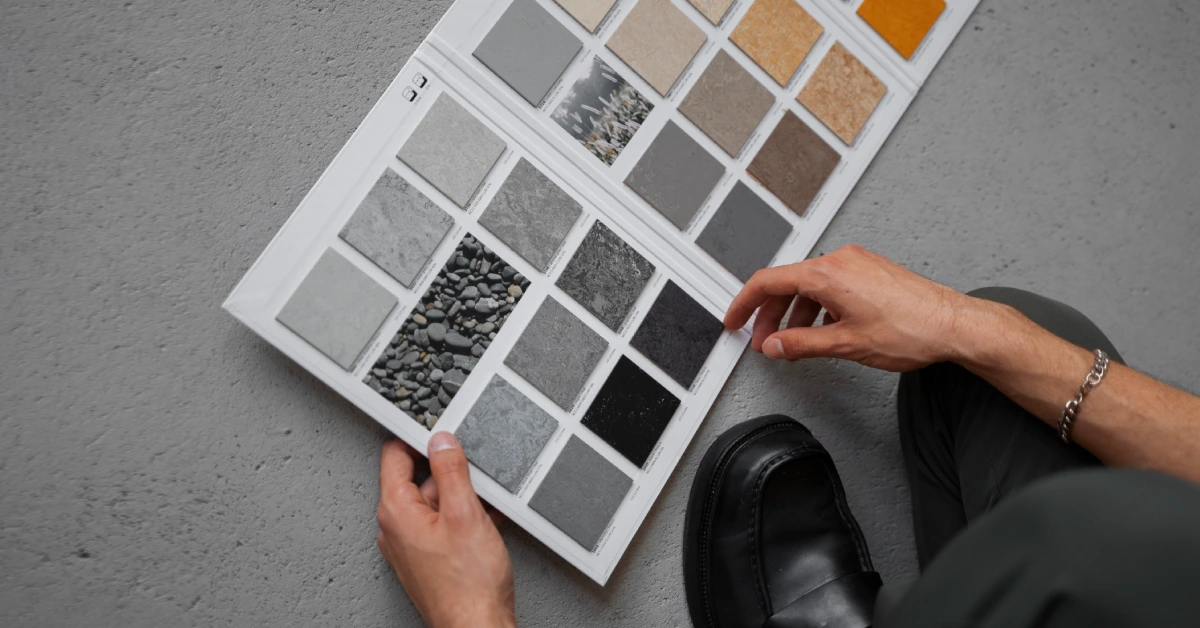
Start by requesting samples of 3-5 designs that match your aesthetic goals. Test them in your actual space to see how lighting affects colors and how textures feel underfoot. Most Sodiceram dealers provide free samples for this purpose.
Your next step: Contact authorized Sodiceram dealers in your area to discuss your project, view full collections, and get accurate pricing for your specific application.
