
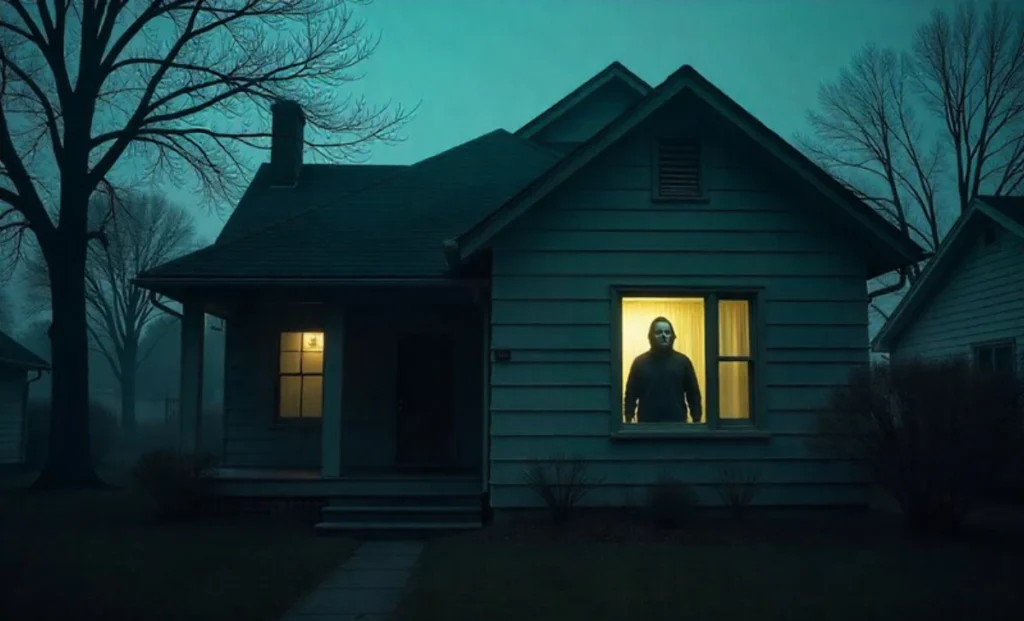
Horror is always popular, but 2026 feels different. A new wave is building, defined not just by scares, but by substance. This isn’t just another boom; it’s a new horror renaissance. At the forefront are two powerhouse sequels: 28 Years Later and Scream 7. One is a profound meditation on societal collapse, the other a meta-slasher course correction. Together, they represent a major shift—a move toward auteur-driven, thoughtful horror movies in 2026 that prioritize legacy and theme alongside terror.
Let’s explore why these two films are set to define the year’s cinematic fears.
What is the “New Horror Renaissance”? (Beyond the Boom)
The past decade saw horror thrive, from indie breakouts to shared universes. The new horror renaissance of 2026 evolves from that. It’s characterized by three key traits:
- The Return of the Creators: Original visionaries are returning to their franchises, like Danny Boyle and Alex Garland to 28 Years Later and Kevin Williamson to direct Scream 7. This ensures authentic evolution, not just nostalgic cash-grabs.
- Thematic Ambition: These films serve as deep social commentary or character studies first. The scare is a vehicle for bigger ideas about trauma, society, and legacy.
- Legacy Done “Right”: This wave moves beyond empty callbacks. It uses legacy characters and settings to deepen the lore and explore new, relevant themes that resonate with today’s audience.
This shift responds to franchise fatigue. Audiences now crave smart horror films that offer more than just jumpscares—they want stories with weight, crafted by the minds who made them matter in the first place.
The Pillars of the Renaissance: Two Films, One Mission
28 Years Later and Scream 7 are perfect, contrasting case studies. One expands apocalyptic horror into high art, the other aims to refine the modern slasher. Both exemplify the Renaissance’s core mission: to elevate.
28 Years Later: Elevating Zombie Horror to High Art
The significance of Danny Boyle and Alex Garland reuniting for 28 Days Later cannot be overstated. It’s the hallmark of this renaissance—original auteurs returning to fulfill their vision decades later. This isn’t a studio-assigned sequel; it’s a continuation of a specific artistic conversation about society.
This sequel makes a bold leap, setting its story nearly three decades after the initial rage virus outbreak. The focus shifts from immediate survival to long-term societal trauma—a concept that feels deeply relevant. The film explores generational legacy through characters like Spike, a child of the apocalypse, and uses haunting settings like the self-sustaining community on Lindisfarne and the ominous Bone Temple. These aren’t just backdrops; they are symbols of a world trying to rebuild meaning from ruin.
The horror itself evolves intelligently. New infected variants, like the strategic “Alphas” and decaying “Slow-and-Lows,” refresh the threat without betraying the original’s spirit. 28 Years Later exemplifies the Renaissance’s demand for thematic depth. It asks what humanity becomes after collapse, using the zombie genre to explore profound questions of community, memory, and survival. This is post-apocalyptic horror grown up.
Scream 7: Reconciling the Past to Save the Slasher’s Future
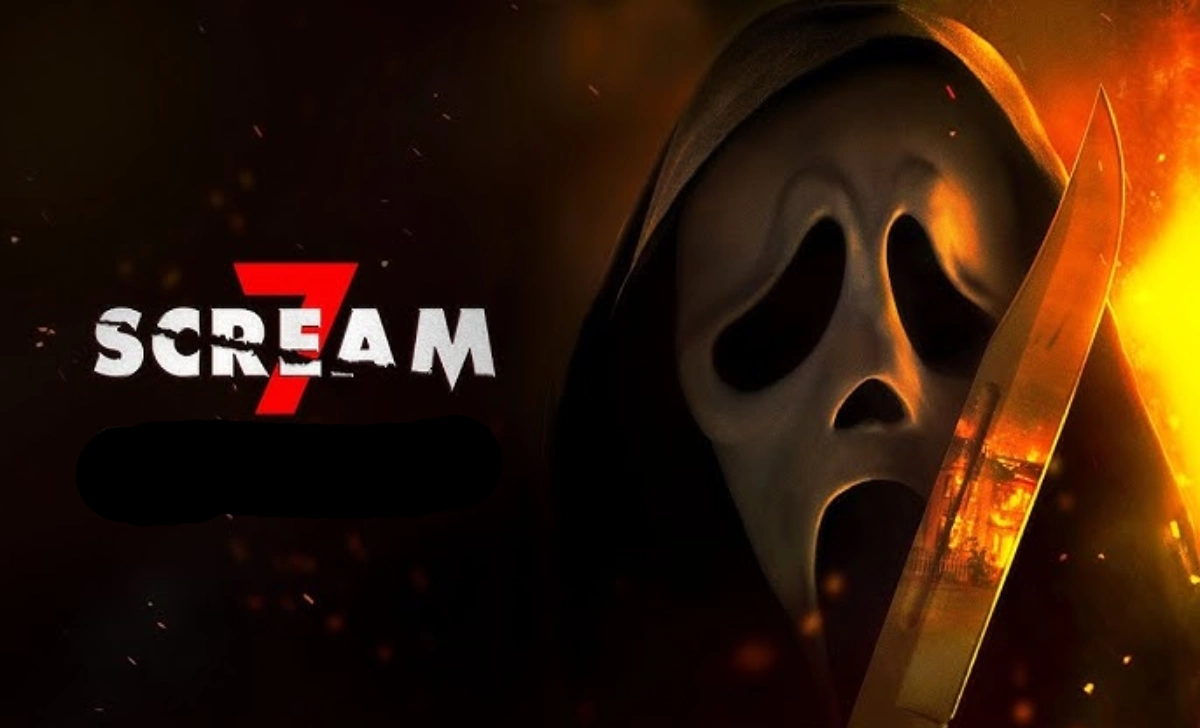
If 28 Years Later represents artistic evolution, Scream 7 represents course correction with purpose. Following off-screen turmoil, the return of original writer Kevin Williamson to direct is a powerful signal. It’s a return to the franchise’s creative heart, mirroring the auteur-driven trend of this renaissance.
The plot—with a new Ghostface targeting Sidney Prescott’s daughter—promises a meta-commentary on legacy, motherhood, and the franchise’s own history. This is the Scream formula applied to itself, ensuring its satire stays razor-sharp. Furthermore, the film seems consciously designed to avoid the pitfalls of bad legacy sequels. By focusing on core, beloved characters like Sidney and Gale Weathers with respect, it aims to honor the past rather than exploit it.
Scream 7 is positioned not as just another sequel, but as a necessary recalibration. It leverages nostalgia intelligently to explore new fears (protecting family, the inescapability of the past) while using its meta framework to critique modern fandom and sequel culture itself. It aims to be both a tribute and a progression, which is exactly what the current audience demands.
The Shared Threads: Why These Two Films Define 2026
On the surface, a brutal zombie epic and a witty slasher seem unrelated. But look closer, and they share the DNA of this new horror renaissance:
- Creator-Led Vision: Both are steered by their original writers (Boyle/Garland, Williamson). This guarantees a fidelity to theme and character that hired-gun directors often miss.
- Trauma as the Core Theme: 28 Years Later deals with collective, societal trauma passed to a new generation. Scream 7 deals with personal, familial trauma haunting Sidney Prescott. Both use horror to examine how we live with—and pass on—our scars.
- Redefining Their Subgenres: One pushes zombie horror into lyrical, existential territory. The other aims to refine the slasher with classic suspense and smarter commentary. Both are trying to elevate their respective corners of the genre.
- Catering to the 2026 Audience: Today’s viewers are savvy. They want craftsmanship and substance. These films are engineered to satisfy that craving, offering layered stories that reward multiple viewings.
These shared threads show a coordinated rise in quality and ambition. They prove the horror renaissance isn’t about one type of scare, but a higher standard for all of them.
5 Actionable Takeaways from the 2026 Horror Renaissance
You can see the principles of this new wave beyond these two films. Here’s what to look for and support:
- Seek Out Creator-Return Stories: When an original director or writer comes back to a franchise after years, it often signals a project driven by passion, not just commerce. Example: The distinct vision of 28 Years Later is directly tied to Boyle and Garland’s personal creative reunion.
- Value Theme Over Trope: The best new horror uses its monsters as metaphors. Look for films that promise exploration of real-world fears, not just recycled chase sequences. Example: 28 Years Later uses the rage virus and the Bone Temple to discuss societal recovery and generational duty.
- Demand Respect for Legacy Characters: A good legacy sequel uses its returning heroes to explore new growth, not to belittle or betray them. Example: Scream 7 appears built around Sidney’s enduring strength as a protector, not undoing her heroism for a cheap twist.
- Support Mid-Budget, Auteur Horror: The renaissance thrives when studios give distinctive voices mid-level budgets to make bold genre films. Choose to watch these in theaters. Example: The reported scale and style of both 28 Years Later and Scream 7 fit this model—neither are cheap indies nor bloated blockbusters.
- Look Beyond the Jump Scare: Engage with horror that stays with you because of its ideas, not just its shocks. Read analyses and discuss themes. Example: The conversations around the “slow-and-low” infected or the satire in Scream 7 enrich the viewing experience beyond the immediate scare.
The Ripple Effect: What This Means for Horror’s Future
If 28 Years Later and Scream 7 succeed critically and commercially in 2026, the ripple effect will be significant. Their success will prove there is a massive audience for sophisticated, creator-driven genre sequels. We could see a wave of other dormant franchises inviting back their original minds. More importantly, it could raise the bar for thematic depth across all mainstream horror, encouraging studios to greenlight more ambitious, unsettling projects.
This renaissance suggests a future where horror is consistently regarded as a vessel for powerful storytelling, not just a thrill ride. It paves the way for more films that are as intellectually and emotionally engaging as they are terrifying.
Conclusion
The new horror renaissance of 2026 is being carved out by a clear demand for authenticity, ambition, and directorial vision. 28 Years Later and Scream 7, in their starkly different ways, are the vanguard. One offers a haunting look at what endures after the end; the other seeks to sharpen the rules of the game once more.
Together, they promise a year where horror doesn’t just make us jump, but makes us think and feel deeply. They’re not just defining 2026’s scares—they’re redefining what horror can be.
