
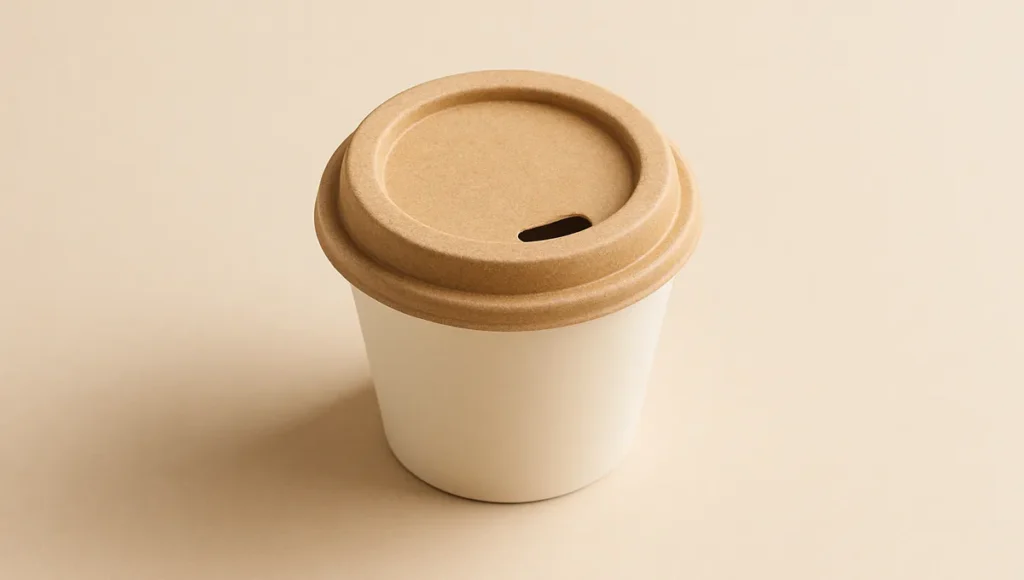
Last year, a single German coffee shop made one small change to its lids and cut its plastic waste by 40% in twelve months. No massive overhaul. No expensive equipment. Just one thoughtful switch that’s now spreading through kitchens from Charleston to Austin—and it’s easier than you think.
The pappedeckel (pronounced “PAH-peh-deck-el”) is more than just a clever German word for “cardboard lid”—it’s a small switch with big environmental impact. These thoughtfully engineered lids are showing up everywhere, from your favorite coffee shop to takeout containers and even your pantry. In this guide, we’ll explore what makes pappedeckel special, how it’s helping reduce plastic waste in real ways, and simple tips for bringing this sustainable choice into your own Southern home. Whether you’re hosting a porch gathering or packing Tuesday’s lunches, this is one eco-friendly swap that actually makes sense.
“A pappedeckel is a specially designed cardboard lid made from recycled or biodegradable materials. It’s strong, heat-resistant, and lets steam escape without leaks, making it an eco-friendly alternative to plastic lids for coffee, takeout, and home food storage.”
What Makes Pappedeckel Different From Regular Cardboard
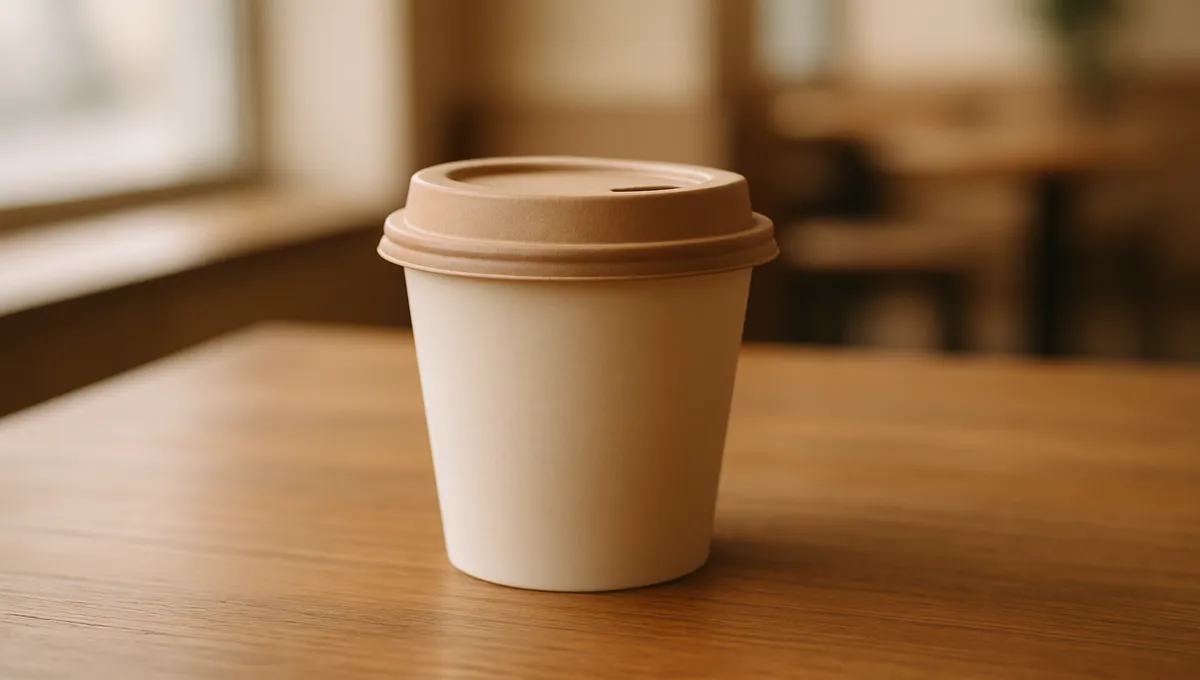
A pappedeckel isn’t just any piece of folded cardboard you might find lying around. These lids are precisely engineered from corrugated fiber, designed to provide strength, functionality, and maximum recyclability. The best ones feature micro-perforations that let steam escape from hot beverages without causing leaks—a thoughtful detail that makes them perfect for everything from morning coffee to soup containers.
Unlike flimsy paper products that fall apart at the first sign of moisture, quality pappedeckel lids often come with plant-based coatings that resist heat and liquid without compromising their ability to break down naturally. This engineering is what sets them apart from both regular cardboard and traditional plastic lids. They’re made to work hard while treading lightly on the environment.
The materials themselves tell an important story. Most pappedeckel products use recycled paperboard, virgin kraft paper from sustainably managed forests, or biodegradable pulp fiber blends. Some manufacturers are even incorporating smart features like QR codes that provide recycling instructions or share the product’s environmental impact—turning a simple lid into an educational tool.
The Real Environmental Impact of Switching to Cardboard Lids
When you’re standing in line for coffee, choosing a pappedeckel over a plastic lid might feel like a small gesture. But the numbers tell a different story, and they’re worth paying attention to.
Cardboard lids decompose naturally in weeks or months, leaving no harmful microplastics behind. Compare that to plastic lids, which can linger in landfills for hundreds of years. When pappedeckel products reach recycling facilities, they enter well-established paper recycling streams and get turned into new products, continuing their useful life rather than ending it in a landfill or ocean.
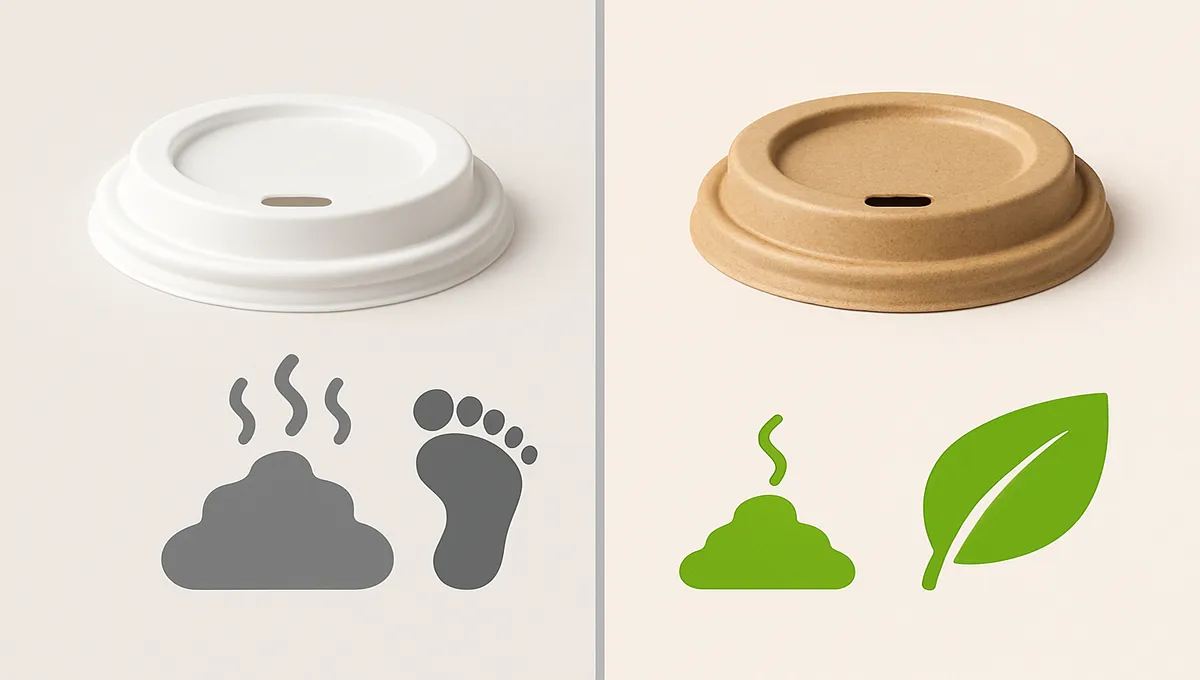
The carbon footprint difference is substantial, too. Producing packaging from recycled cardboard requires significantly less energy than creating new plastic from petroleum. Because cardboard is lighter than plastic, transporting these lids also results in lower emissions—some manufacturers report up to 67% lower carbon emissions compared to plastic equivalents.
The proof is in the results. One major German coffee chain reduced its plastic waste by 40% within just one year of switching to cardboard lids. Amazon has avoided millions of metric tons of packaging material by moving to recyclable paper-based options across its operations. These aren’t just feel-good stories—they’re measurable improvements that show how individual choices, multiplied across thousands of customers, create genuine environmental change.
Where You’ll Find Pappedeckel in Everyday Life
The beauty of pappedeckel is its versatility. Once you start looking, you’ll spot these eco-friendly lids in surprising places throughout your daily routine.
Coffee shops were early adopters, and for good reason. A pappedeckel designed for hot beverages handles the heat beautifully while feeling more pleasant to drink from than plastic. Many coffee lovers report they actually prefer the experience—no plastic aftertaste, just your drink the way it’s meant to taste.
Takeout containers are another natural home for cardboard lids. From your favorite soup spot to that deli that makes the perfect chicken salad, these lids are increasingly sealing your meals. They partner perfectly with paper-based containers, creating a fully compostable or recyclable package. For those of us who regularly bring potluck contributions or send guests home with leftovers, they’re a practical solution that doesn’t sacrifice convenience.
Beyond food service, pappedeckel products are showing up as inner seals for cosmetic jars, protective covers in shipping boxes for everything from electronics to craft supplies, and elegant closures for homemade preserves and gifts from your kitchen. Some creative Southern cooks are even using spare lids as coasters, plant markers for the herb garden, or labels for pantry jars. Their lightweight design cuts shipping costs and emissions, which is why e-commerce companies are embracing them too.
How Pappedeckel Fits Into Southern Living
There’s something particularly fitting about pappedeckel for those of us who value both hospitality and stewardship. Southern culture has always been about caring for what we have and sharing generously with others—and that includes taking care of the land and water that sustain us.
These cardboard lids align beautifully with how many Southern households already operate. We’ve never been wasteful people by nature. We save jars, reuse containers, and find second lives for things others might toss. Pappedeckel fits right into that practical mindset. When you’re canning fig preserves or packaging up leftover Brunswick stew for a neighbor, using a sustainable lid just makes sense.
The shift also reflects broader changes happening across the South. From farm-to-table restaurants in Charleston to zero-waste cafes in Austin, Southern businesses are leading the charge toward more responsible practices. When you support local spots using pappedeckel and other eco-friendly packaging, you’re voting with your dollars for the kind of community you want to live in.
The Future of Sustainable Packaging
The momentum behind products like pappedeckel isn’t slowing down—it’s accelerating. Consumer demand for sustainable options is driving innovation at a remarkable pace, and governments are reinforcing these changes with regulations limiting single-use plastics.
Manufacturers are developing even more effective bio-based waterproof coatings that eliminate the need for any plastic elements. New cardboard composites are becoming lighter yet stronger, reducing both material use and shipping emissions. Some companies are testing smart packaging features that help consumers make better recycling choices right from their kitchen.
This isn’t a passing trend that’ll fade when the next big thing comes along. It’s a fundamental shift in how we think about the objects we use every day. By choosing pappedeckel products now, you’re not just picking a lid—you’re participating in a larger movement toward accountability and care for our shared home.
For the South, with our beautiful coastlines, rivers, and farmland, the stakes feel particularly personal. Every plastic lid kept out of the Gulf of Mexico, every piece of packaging that breaks down naturally instead of lingering in the Smoky Mountains—these matter to us and to the generations coming up behind us.
Tips / Care / Mistakes
1. Choosing the Right Pappedeckel
Look for lids with food-safe, plant-based coatings when you’re covering wet or greasy foods. These coatings provide moisture resistance without compromising the lid’s ability to decompose or be recycled. Check packaging labels or ask suppliers about certifications like FSC (Forest Stewardship Council) to ensure responsible sourcing.
2. Proper Disposal Makes a Difference
Clean pappedeckel lids can go straight into your paper recycling bin. If a lid is heavily soiled with food grease, composting is often a better option than recycling—many municipalities accept them in yard waste bins, and they’ll break down quickly in a home compost pile. Always check your local guidelines, as some coated versions may have specific requirements.
3. Storage Tips for Home Use
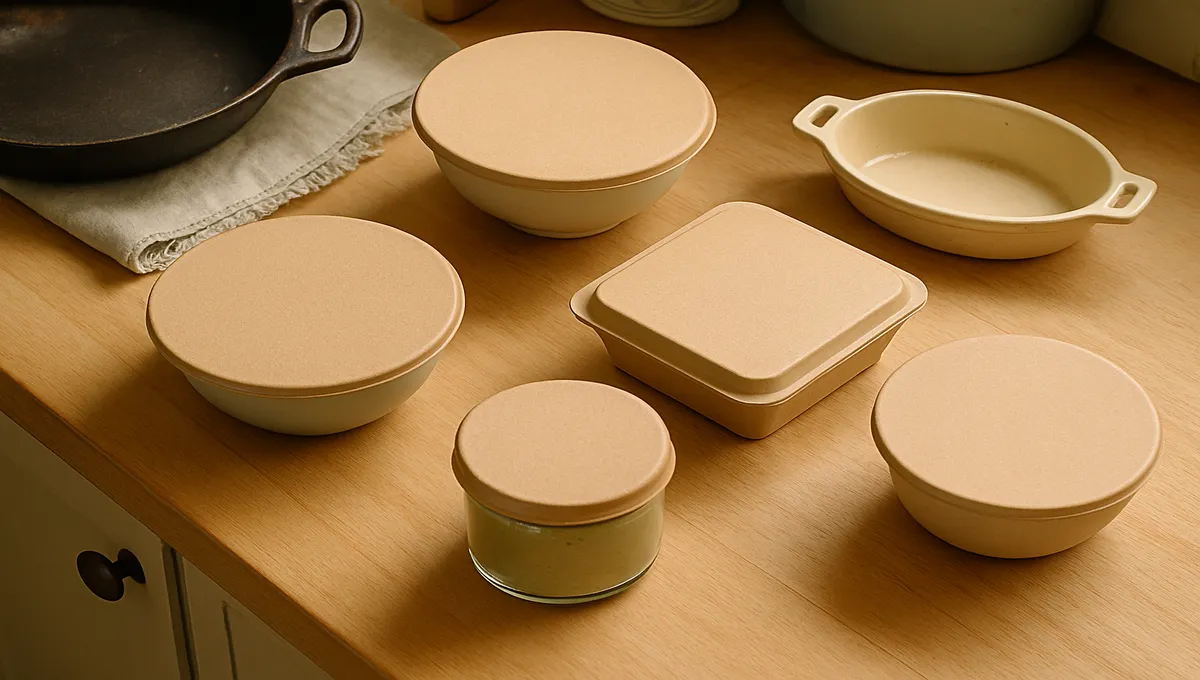
If you end up with spare lids from takeout orders, store them flat in a pantry drawer or cabinet. They take up minimal space and work beautifully for covering leftover bowls, mugs of soup, or containers in the refrigerator. They’re also handy for protecting rising dough or covering dishes during outdoor gatherings.
4. Common Mistakes to Avoid
Don’t assume all cardboard lids are waterproof. Standard, uncoated versions will soften when exposed to significant moisture or condensation. Match the lid to the task—use coated versions for liquids and standard ones for dry goods or cooler foods.
Don’t underestimate the impact of small changes. It’s easy to think one lid doesn’t matter in the grand scheme of things, but sustainable living is built on these small, conscious choices adding up over time. Every pappedeckel you choose over plastic counts.
Don’t forget to voice your support. If you love a cafe or restaurant that uses sustainable packaging, tell them! Positive feedback from customers encourages businesses to continue making eco-friendly choices, even when those choices cost a bit more upfront.
5. Making the Most of Pappedeckel at Home
Keep a few standard-size lids on hand for your own food storage needs. They’re perfect for covering bowls of leftovers, protecting baked goods, or sealing jars of dry goods in your pantry. If you’re crafty, they can be decorated and used as gift jar toppers or turned into custom coasters for outdoor entertaining.
Conclusion
The pappedeckel represents something bigger than just a lid—it’s proof that sustainable choices don’t have to be complicated or inconvenient. These cardboard covers work beautifully for hot coffee, takeout meals, and countless other everyday needs, all while breaking down naturally and fitting into established recycling systems. For Southern homes that value both hospitality and responsibility, they’re a natural fit. As more of us make this simple switch, the collective impact grows. Fewer plastics in our rivers and oceans, less waste in landfills, and a cleaner environment for everyone who calls this region home. That’s the kind of legacy worth leaving, one cardboard lid at a time.
FAQs
What exactly is pappedeckel made from?
Pappedeckel lids are typically made from recycled paperboard, virgin kraft paper from sustainably managed forests, or biodegradable pulp fiber blends. Many have a thin, food-safe coating made from plant-based materials to provide moisture resistance without compromising their ability to decompose or be recycled.
Are cardboard lids really better for the environment than plastic?
Yes, substantially. Cardboard lids biodegrade naturally in weeks or months and integrate easily into paper recycling systems. Plastic lids, made from petroleum, can take hundreds of years to decompose and often end up as pollution in oceans and landfills. The carbon footprint of producing cardboard from recycled materials is also significantly lower than creating new plastic.
Can pappedeckel handle hot drinks without falling apart?
Absolutely. Quality pappedeckel lids are engineered with specific corrugation patterns for strength and often feature food-safe coatings that resist heat and moisture. They’re designed to last long enough for you to enjoy your drink comfortably. Many are tested to match or outperform plastic in heat retention and structural integrity.
Where can I buy pappedeckel for my home or small business?
Many packaging suppliers specializing in eco-friendly products carry pappedeckel in various sizes. You can find them online through sustainability-focused retailers or at stores that cater to small food businesses. Options range from standard sizes to custom-printed versions that can feature your logo or messaging.
How should I dispose of a used pappedeckel?
Clean lids can go directly into your paper recycling bin. If a lid is soiled with food grease or oil, composting is often the better choice—either in a home compost pile or through municipal composting programs. Always check your local recycling guidelines, as some regions have specific rules for coated paper products.
Is pappedeckel the same as a beer coaster?
They’re related but serve different purposes. Both are made from similar cardboard materials, but a beer coaster (sometimes called a “Bierdeckel” in German) is designed as a protective base to sit under your drink. A pappedeckel is specifically engineered as a closure or lid that seals containers. Think of them as cousins in the cardboard family.
