

We tend our roses with care, watch the clouds roll in before a storm, and notice when the mockingbirds return each spring. But there’s one daily rhythm we often ignore—the one that might be trying to tell us something important about our health.
Just as a gardener learns to read their plants’ leaves for signs of trouble, understanding your body’s natural patterns can help you catch problems early. Recent research confirms that your poop schedule—how often you go, and what it looks like—offers valuable clues about your overall wellness. This isn’t about perfection or comparison; it’s about knowing your own normal and recognizing when something’s off. Let’s talk openly about this everyday topic and discover how a few simple habits can make all the difference in how you feel.
The Goldilocks Zone: Finding Your Perfect Poop Schedule
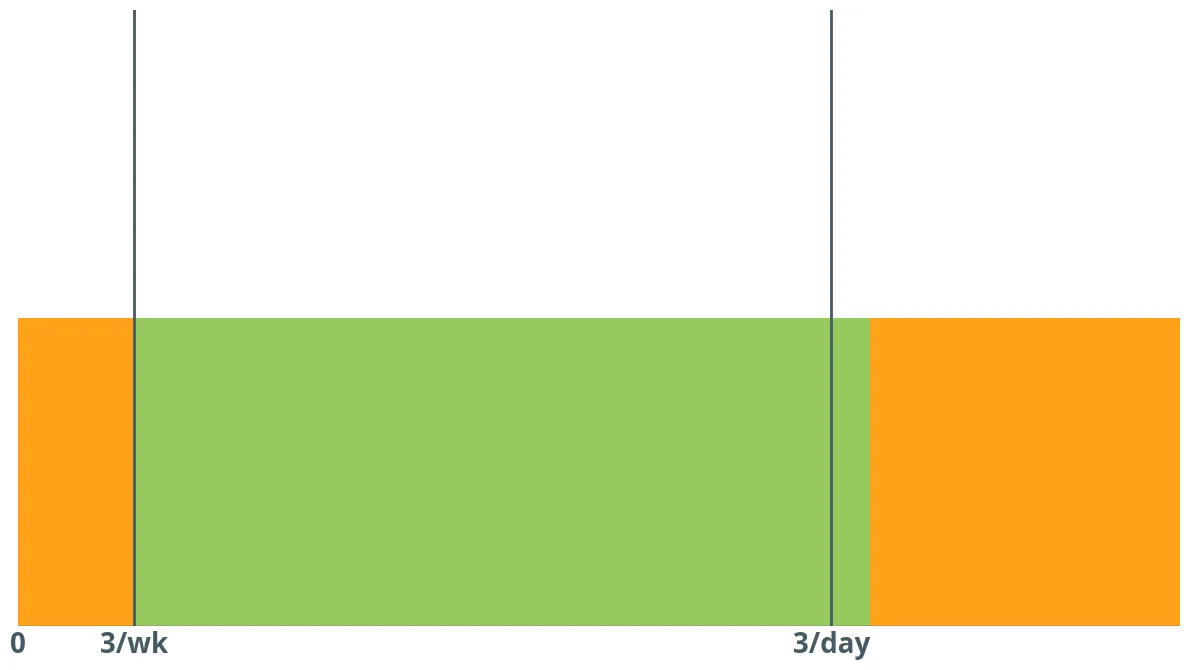
A study published in 2024 followed over 1,400 adults and found something fascinating: those who reported having bowel movements once or twice daily were generally the healthiest. The research team called this the “Goldilocks zone”—not too much, not too little, but just right.
Here’s the comforting truth: normal varies more than you might think. Most healthy adults go anywhere from three times a day to three times a week. What matters most is consistency. If you’ve always gone every other morning like clockwork and feel comfortable, that’s your healthy baseline. Think of it like your garden’s watering schedule—what works for one person’s hydrangeas might drown another’s.
The real concern comes when your pattern changes without explanation. A sudden shift that lasts more than a couple weeks deserves attention, just like you’d investigate if your usually vibrant tomato plants suddenly started wilting.
How Your Bathroom Habits Connect to Whole-Body Wellness

Your digestive system does far more than process last night’s dinner. It’s home to trillions of bacteria that influence everything from your immune system to your mood. Researchers found that bowel movement frequency can influence all body systems, making it a surprisingly important health marker.
When the research team analyzed participants’ blood samples and gut bacteria, they discovered clear patterns. Those in the healthy frequency range showed beneficial bacteria associated with fiber fermentation. Their bodies were producing short-chain fatty acids—compounds that reduce inflammation and support gut health.
On the other hand, people with infrequent bowel movements showed higher levels of bacteria linked to protein fermentation, which produces toxins that can enter the bloodstream. One particularly concerning compound, indoxyl-sulfate, can damage your kidneys over time. Meanwhile, those with very frequent, watery stools showed bacteria typically found in the upper digestive tract, along with markers of liver stress.
Your gut truly is the foundation of your health, much like good soil is the foundation of a thriving garden.
Reading the Signs Your Body Is Sending
Learning to interpret your body’s signals is empowering. The research categorized participants into four groups based on frequency: constipation (one to two movements per week), low-normal (three to six per week), high-normal (one to three per day), and diarrhea (four or more watery stools daily).
Constipation often signals dehydration, insufficient fiber, or high stress. You might also notice hard, lumpy stools that require straining. This isn’t just uncomfortable—it gives harmful bacteria time to produce those unwanted toxins we mentioned earlier.
Frequent diarrhea can point to food sensitivities, infections, inflammatory bowel conditions, or even stress-related gut issues. The key is persistence. Everyone experiences an upset stomach occasionally after a rich meal or during a stomach bug. But when unusual patterns become your new normal, your body is asking you to pay attention.
The study also found interesting demographic patterns. Women, younger people, and those with lower body mass index tended to report less frequent bowel movements. Knowing these general trends can help, but remember—you’re the best expert on your own body.
Building a Foundation for Healthy Regularity
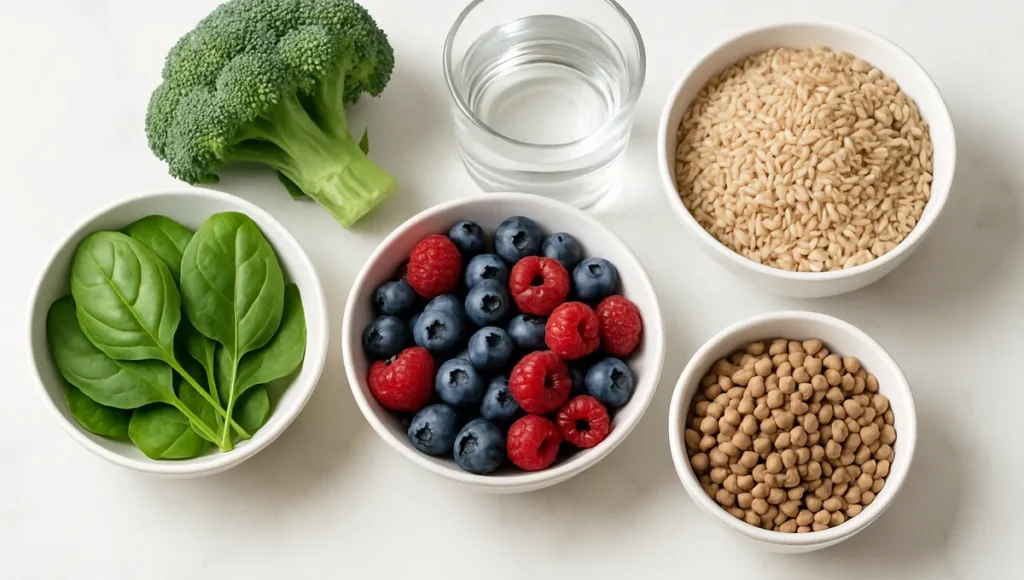
The good news? The study revealed clear lifestyle factors that support healthy bathroom habits. People in the optimal frequency range reported eating more fiber, drinking more water, and exercising more regularly. These three pillars work together like sun, soil, and rain for a garden.
Fiber is your gut bacteria’s favorite food. When you eat vegetables, fruits, whole grains, and legumes, beneficial bacteria ferment that fiber into those helpful short-chain fatty acids. Aim for a rainbow of sources: berries, leafy greens, beans, oats, and nuts all contribute different types of fiber.
Water makes everything work smoothly. Fiber without adequate hydration is like trying to mix concrete without water—it just doesn’t flow. Keep a pitcher of water on your kitchen counter as a visual reminder, just like you might keep your watering can near the back door.
Movement stimulates your intestines’ natural contractions. A morning walk around the block or some gentle stretching after meals can make a surprising difference. Your gut responds to your body’s motion.
Interestingly, recent research found that people’s gut microbiomes can shift remarkably quickly—some studies show changes in just eight weeks with new habits. This means you’re not stuck with your current pattern. With consistent effort, real change is possible.
When to Call Your Doctor About Your Poop Schedule

While occasional variations are normal, certain signs deserve professional attention. Trust your instincts—if something feels wrong, it probably warrants a conversation.
Schedule an appointment if you experience any of these for more than two weeks: persistent constipation or diarrhea that doesn’t respond to dietary changes, blood in your stool (bright red or dark and tarry), severe abdominal cramping or pain, unexplained weight loss, or consistently pencil-thin stools.
These symptoms might indicate conditions that need proper diagnosis and treatment. It’s always better to check in with your healthcare provider and hear “everything’s fine” than to ignore something important. Think of it like noticing a suspicious spot on a plant—catching disease early makes treatment so much easier.
Creating Your Personal Wellness Rhythm
Beyond the basics of diet, water, and movement, consider the role of stress. Your gut and brain communicate constantly through what scientists call the gut-brain axis. High anxiety can literally slow your digestion or speed it up unpredictably. Those few minutes of deep breathing on your porch swing or a regular bedtime routine aren’t luxuries—they’re investments in your digestive health.
Also, listen when your body signals it’s time to go. Repeatedly ignoring these urges can weaken the communication between your brain and gut, making constipation more likely over time. Establishing a routine helps too. Many people find that drinking warm water or coffee with breakfast naturally stimulates a morning bathroom visit.
Finally, consider adding fermented foods to your routine. Yogurt, kefir, sauerkraut, and kimchi deliver beneficial bacteria directly to your gut, supporting that inner ecosystem we’ve been discussing.
Tips for Supporting Your Digestive Health

Increase Fiber Gradually: Add high-fiber foods slowly over several weeks to prevent gas and bloating. Your gut bacteria need time to adjust to increased fiber intake.
Set a Regular Bathroom Time: Try visiting the toilet at the same time daily, ideally after a meal when your digestive system is most active. This trains your body’s natural rhythm.
Use Proper Posture: Elevate your feet on a small stool while sitting on the toilet. This position straightens your colon and makes elimination easier and more complete.
Chew Thoroughly: Digestion begins in your mouth. Taking time to chew food well reduces your gut’s workload and improves nutrient absorption.
Track Patterns: Keep a simple journal noting what you eat and any digestive symptoms. Patterns often emerge that help identify specific trigger foods or helpful habits.
Avoid Laxative Dependency: Regular use of stimulant laxatives can make your colon dependent on them. Focus on dietary and lifestyle solutions first, using aids only occasionally and under medical guidance.
Don’t Rush: Allow yourself adequate, unhurried time in the bathroom. Stress and rushing can interfere with your body’s natural elimination process.
Conclusion
Your body communicates through daily rhythms, and your poop schedule is one of its most honest conversations. By approaching this topic with curiosity rather than embarrassment, you gain powerful insights into your overall health. This isn’t about achieving some perfect standard—it’s about understanding your unique normal and making small, sustainable changes that support your wellbeing. So pour yourself a glass of sweet tea, take that evening stroll through your neighborhood, and know that paying attention to these fundamental rhythms is one of the most caring things you can do for yourself. Your body has wisdom to share if you’re willing to listen.
FAQ
How often should I poop to be considered healthy?
The healthy range is broader than most people think—anywhere from three times daily to three times weekly. What matters most is your personal consistency and comfort. If your pattern suddenly changes and stays different for more than two weeks, that’s when you should investigate further.
What’s the fastest way to relieve occasional constipation?
Start with a large glass of water, add fiber-rich foods like prunes or flaxseeds, and take a brisk walk. Warm liquids, especially coffee or tea in the morning, can also stimulate movement. If constipation persists beyond three days with discomfort, consult your doctor.
Can my poop schedule really affect my mood and energy?
Yes, absolutely. Your gut produces neurotransmitters like serotonin and communicates directly with your brain. When your digestive system is off-balance, it can contribute to brain fog, low energy, and mood changes. A healthy gut truly supports a healthy mind.
Is it normal for my bathroom habits to change with age?
Some changes are common as metabolism and activity levels shift with age, but significant changes shouldn’t be dismissed as “just getting older.” Any persistent change in frequency, consistency, or comfort deserves attention, regardless of your age.
What foods should I eat more of for better regularity?
Focus on diverse fiber sources: leafy greens like spinach and kale, berries, beans and lentils, whole grains like oats and quinoa, and nuts. Also include fermented foods like yogurt and sauerkraut. Remember to increase water intake as you add more fiber to your diet.
When is diarrhea a sign of something serious?
Occasional diarrhea from a virus or rich food is normal. Seek medical attention if diarrhea lasts more than two days, includes blood, comes with high fever or severe pain, or causes signs of dehydration like dark urine and dizziness.
