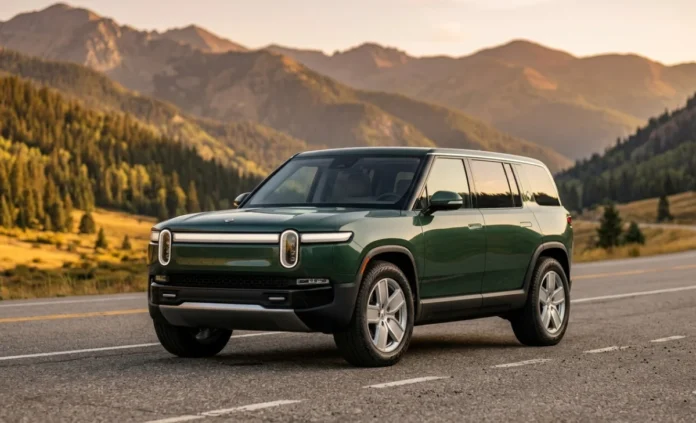
If you’ve been driving around lately, you’ve probably spotted a Rivian R1S SUV or R1T pickup. They’re hard to miss. Now Rivian is going after a much bigger slice of the market with something smaller, more practical, and a lot easier on the wallet — the R2.
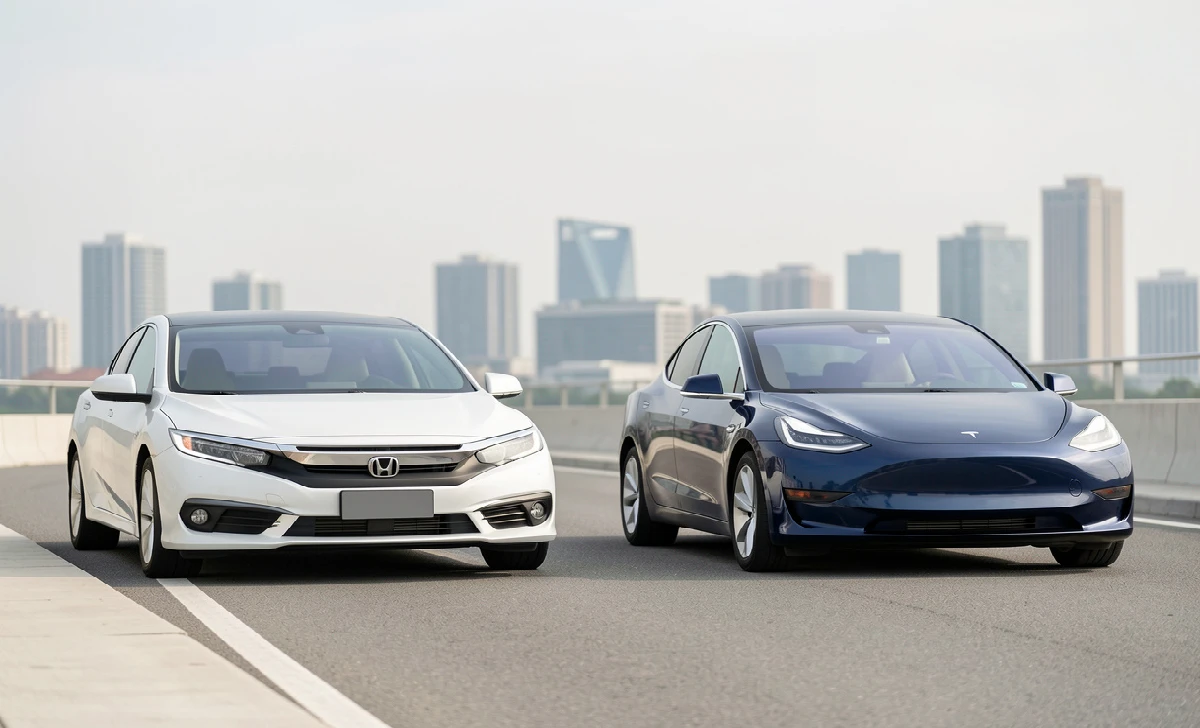
The Rivian R2 is a compact electric SUV that sits in roughly the same size class as a BMW X3 or Hyundai Tucson. But since it’s fully electric and starts under $60,000, it’s really going head-to-head with the Ford Mustang Mach-E and Tesla Model Y — two of the best-selling EVs in the country right now.
For 2027, the R2 comes in two trims: Premium (450 horsepower, all-wheel drive) and Performance (656 horsepower). A single-motor, rear-wheel drive base version is coming next year at a lower price point.
Under the floor sits an 87.9-kWh battery pack with an estimated 330 miles of range. Inside, you get the same 15.6-inch center screen from Rivian’s bigger models, seating for five, a solid cargo area, and a front trunk (frunk) for extra storage.
My honest take: Don’t buy the R2 expecting R1S-level off-road performance. It has some trail capability baked in, but if serious off-road adventures are your thing, the R1S is still the right call. The R2 is built for real life — commutes, road trips, weekend errands — and it does that well.
What’s New for 2027?
The R2 is technically a new Rivian model that launched in the 2026 model year. It pulls a lot of DNA from the larger R1 lineup — the screen, the interior layout, the overall design language — but at a smaller size and a price that’s meant to pull new buyers into the brand.
One thing worth knowing: the cheaper versions of the R2 aren’t here yet. The single-motor rear-wheel drive trim — the one that was originally teased at around $45,000 — doesn’t arrive until 2028. That gap between the advertised promise and current pricing frustrates a lot of shoppers, and honestly, it’s a fair frustration. If budget is your main concern, it’s worth deciding now whether waiting 18-plus months makes sense for your situation.
If you’re curious how the R2 fits into the bigger picture of where the U.S. auto market is headed, this breakdown of U.S. auto industry trends and car prices in 2026 is worth a read before you make any decisions.
Pricing and Which Trim to Buy
The 2027 Rivian R2 starts at $55,485 and tops out at $59,485.
- Premium — $55,485 (Recommended by Car and Driver)
- Performance — $59,485
My personal pick? Go for the Performance.
The $4,000 difference gets you over 200 extra horsepower. More importantly, if you land a Launch Package car, you get Rivian’s Autonomy+ hands-free driving feature included for life. Otherwise, that’s a $2,500 add-on or a $49.99 monthly subscription. Over a few years of ownership, the math makes the Performance trim the smarter buy for most people.
That said, if budget is tight and you just want a well-rounded daily EV, the Premium is genuinely good. You’re not missing anything essential.
EV Motor, Power, and Performance
- EV Motors: 450-hp dual motor (Premium), 656-hp dual motor (Performance)
- Drivetrain: All-wheel drive (both trims)
Both 2027 R2 trims are dual-motor, all-wheel drive. No exceptions this year. The lower-powered dual-motor and the base rear-wheel drive single-motor variants come later.
I had a chance to drive a dual-motor prototype, and here’s what I noticed: the ride is more refined than you’d expect from a first-generation platform. Handling felt planted and confident. Acceleration hits fast and clean. There’s real off-road capability underneath — ground clearance, approach angles, drive modes — but no locking differentials or dedicated terrain management. It’s not a trail rig. It’s a capable, comfortable SUV that happens to handle light gravel without breaking a sweat.
0–60 MPH
- Premium: 4.6 seconds (claimed)
- Performance: 3.6 seconds (claimed)
If those numbers hold in real-world testing, the R2 Performance slots right between the Tesla Model Y Long Range AWD (3.9 seconds) and the Model Y Performance (3.3 seconds). That’s solid company to be in.
Towing and Payload
- Max Towing: 4,400 pounds (with optional Tow package)
That’s enough for a small camper, a couple of jet skis, or a light utility trailer. Just go in with realistic expectations — towing will noticeably cut into your range. Plan stops accordingly on any trip where you’re pulling weight.
Range, Charging, and Battery Life
- EPA EV Range: 330 miles (both trims)
Both the Premium and Performance share the same 87.9-kWh battery pack, so range is identical regardless of trim. Rivian estimates 330 miles per charge, and that’s a strong number for this class.
A few things worth knowing for real-world use:
- On a 75-mph highway run in mild weather, expect range to land somewhere in the 260–290 mile neighborhood — similar to most dual-motor EVs at highway speed.
- Cold weather will cut that further. If you live somewhere with real winters, plan on 20–25% less range on the worst days.
- The NACS charging port means you can use Tesla’s Supercharger network, which is genuinely one of the best decisions Rivian made. Road trip planning gets much easier.
- DC fast charging takes the battery from 10 to 80 percent in under 30 minutes, according to Rivian.
Longer-range versions of the R2 are expected in 2028, so if maximum range is a priority, that might be worth waiting for.
If you’re comparing the R2 to what European automakers are doing with EVs right now, this article on why European cars are losing the EV race gives some useful context on where the market is actually headed.
Fuel Economy (MPGe)
- EPA City (est): 100 MPGe
- EPA Highway (est): 85 MPGe
These are estimates — the EPA hasn’t released official figures yet. MPGe is just the EPA’s way of comparing electric efficiency to gasoline, so it’s a useful benchmark when shopping between models.
We’ll run the R2 through our 75-mph highway loop once we get a full test vehicle and update this with real numbers.
Interior, Comfort, and Cargo
Up Front
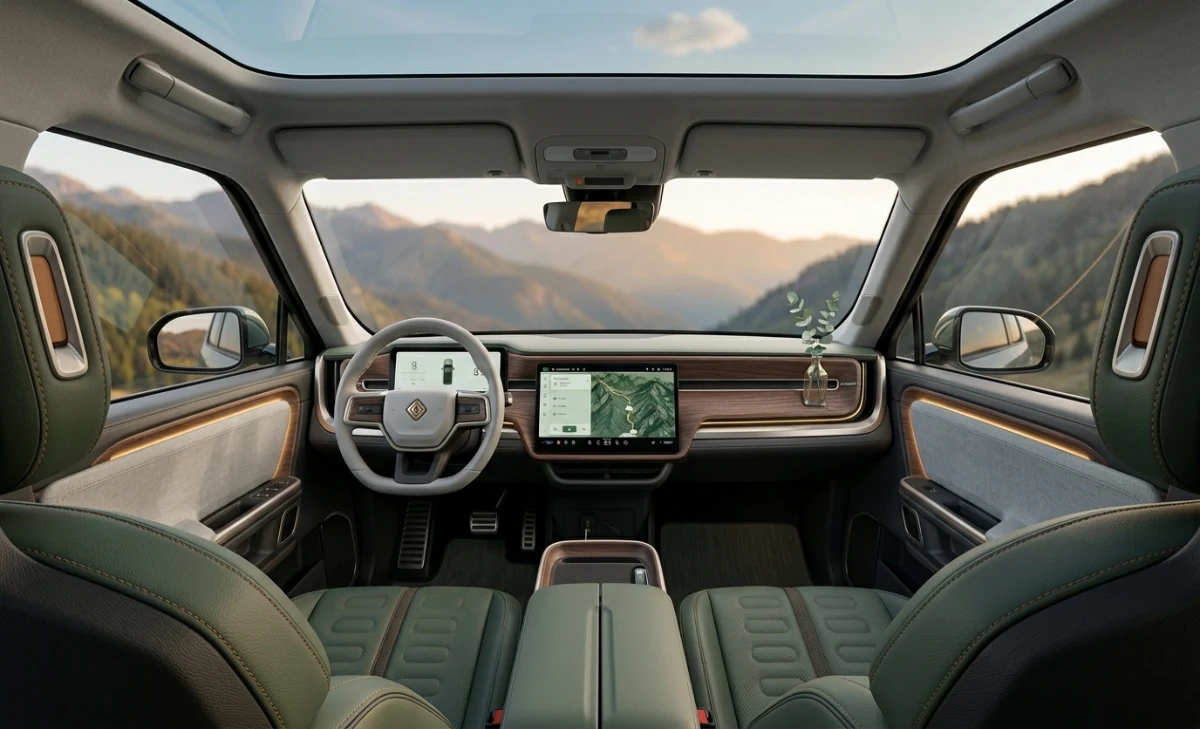
Five people fit comfortably, and the front row has the kind of storage you actually use day-to-day. Designers gave the R2 more cubby space than the R1S — including a second glovebox — which sounds minor until you’re looking for somewhere to put your sunglasses and coffee at the same time. The interior has the same rugged-but-polished feel as the rest of the Rivian lineup. It doesn’t feel cheap, and it doesn’t feel over-designed.
Most controls live inside the 15.6-inch center screen, which takes a little getting used to. Steering wheel audio controls and two scroll wheels help, but if you’re someone who prefers physical knobs for climate, the adjustment period is real.
Back Row
Rear seat room is genuinely generous. Two adults won’t feel cramped, and the panoramic glass roof makes the whole cabin feel bigger than the numbers suggest. The R2 is compact on the outside but surprisingly open on the inside — that’s a balance Rivian got right.
Cargo
- Rear seats up: 28.7 cubic feet
- Rear seats folded: 79.4 cubic feet
For comparison, the Tesla Model Y offers about 76 cubic feet with seats folded, so the R2 is competitive. Add the frunk for groceries or gear you want out of the main cabin, and day-to-day practicality is strong. We’ll test carry-on luggage capacity and share real results once we run a full test.
Infotainment and Connectivity
- Touchscreen: 15.6 inches
- Audio: 13-speaker stereo
- Connectivity: Bluetooth, Wi-Fi hotspot, wireless charging pad, Amazon Alexa
The software is tile-based. Navigation, media, and climate controls are always visible at the bottom, and options expand out from the sides of tiles rather than requiring you to dig through nested menus. It’s a cleaner layout than some screens I’ve used, though everything does live in that one screen — mirror adjustments, drive modes, all of it.
Two things I want to be upfront about: there’s no Apple CarPlay and no Android Auto. For some buyers, that’s a dealbreaker. For others, the built-in navigation and Alexa integration are enough. Know which camp you’re in before you commit.
The 13-speaker stereo sounds genuinely good for a vehicle in this price range.
Safety and Driver-Assistance Features
Rivian equipped the R2 with 11 cameras and five radar sensors. That’s a solid sensor suite for a vehicle at this price point.
Standard on every R2:
- Automated emergency braking
- Lane-keeping assist
- Blind-spot monitoring
- Adaptive cruise control
Optional:
- Autonomy+ (hands-free adaptive cruise) — $2,500 or $49.99/month, free on Launch Package vehicles
Crash test ratings from NHTSA and IIHS aren’t available yet. Check those sites directly once results are published — they matter more than manufacturer claims when it comes to real-world safety.
Is the Rivian R2 Worth It Compared to the Tesla Model Y?
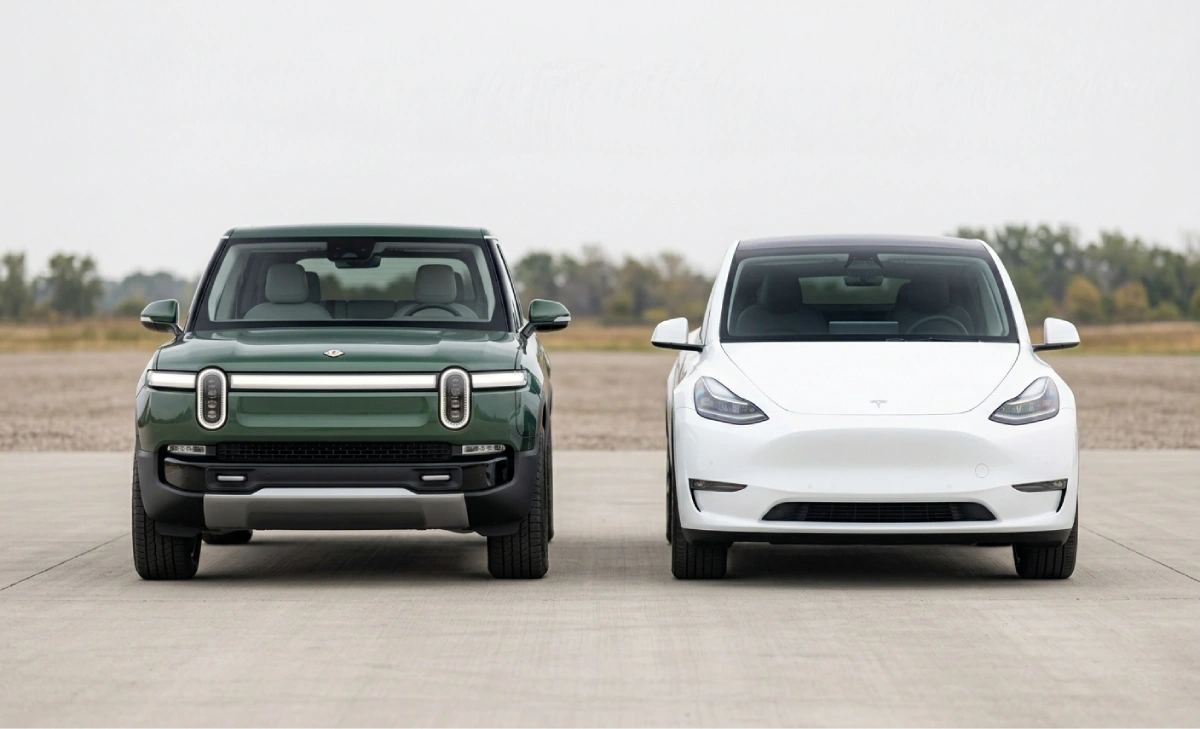
This is the question most buyers are actually asking. Here’s how I’d break it down honestly:
Choose the Rivian R2 if:
- You want more cargo room than the Model Y offers
- You prefer a more rugged design aesthetic
- You value NACS charging access and a strong charging network
- You’re drawn to Rivian’s software approach and don’t need CarPlay
Consider the Tesla Model Y if:
- Price is tight, and you want the lower-cost variants available now
- Apple CarPlay integration is important to you (though Model Y doesn’t have it either — check your actual priorities)
- You want a more established long-term reliability track record
The R2 is a genuinely strong competitor. It’s not a compromise product — it’s a well-thought-out vehicle that happens to cost about the same as the Model Y. For a full look at how each stacks up against the best cars available in 2026, that comparison is worth bookmarking.
Warranty and Maintenance Coverage
- Bumper-to-Bumper: 5 years / 60,000 miles
- Battery and Drivetrain: 8 years / 175,000 miles
- Complimentary Maintenance: None included
The powertrain warranty is strong — 175,000 miles is real confidence in the platform. The lack of complimentary maintenance is worth factoring into your ownership cost estimate, though EVs generally have lower routine maintenance costs than gas vehicles anyway (no oil changes, fewer brake jobs thanks to regenerative braking).
On long-term reliability: the R2 is a first-generation platform. That’s not automatically a problem, but it’s worth knowing. Buying early means you’re part of the real-world testing process. Rivian has a decent over-the-air software update track record from the R1 lineup, which is encouraging.
Final Verdict
The 2027 Rivian R2 is a solid, well-rounded electric SUV that deserves serious consideration — especially at the Performance trim level. The power is real, the range is competitive, the cargo space is better than most people expect, and the charging network access via NACS is a genuine everyday advantage.
The frustrations are real, too. No CarPlay. Controls buried in a touchscreen. The cheaper trim buyers actually want is still two years out. And as a first-gen platform, there are unknowns around long-term reliability that won’t be answered until more of these are on the road.
But if you’re in the market for a compact electric SUV right now and $55,000–$60,000 is your range, the R2 belongs on your short list.
FAQs
How much does the 2027 Rivian R2 actually cost with destination and options?
The R2 starts at $55,485 for the Premium and $59,485 for the Performance. Destination fees and optional packages — like the Tow package or Autonomy+ — add to that. Budget $57,000–$63,000 for a realistically equipped build.
When will the different Rivian R2 trims be available, and which one should I buy?
The dual-motor Premium and Performance are available now for the 2027 model year. A lower-powered dual-motor and a base single-motor rear-wheel drive version arrive in 2028. If you can wait and budget is your priority, the 2028 base model may suit you better. If you want something now and appreciate the extra power, the Performance trim is the better value of the two current options.
What is the real-world range of the Rivian R2, and how fast does it charge?
Rivian claims 330 miles on a full charge. Real-world highway range will likely land closer to 270–295 miles, depending on speed and temperature. Fast charging (10–80%) takes under 30 minutes on a DC fast charger. The NACS port gives you access to Tesla’s Supercharger network, which is a significant practical advantage.
Is the Rivian R2 worth it compared to the Tesla Model Y or other electric SUVs?
For most buyers, yes — especially if you want more cargo room, a rugged design, and good charging network access. The lack of Apple CarPlay is a real trade-off, and the cheapest version isn’t available yet. If you’re deciding right now between the two, the R2 Performance and Model Y Long Range AWD are genuinely close in overall value. Test both if you can.