
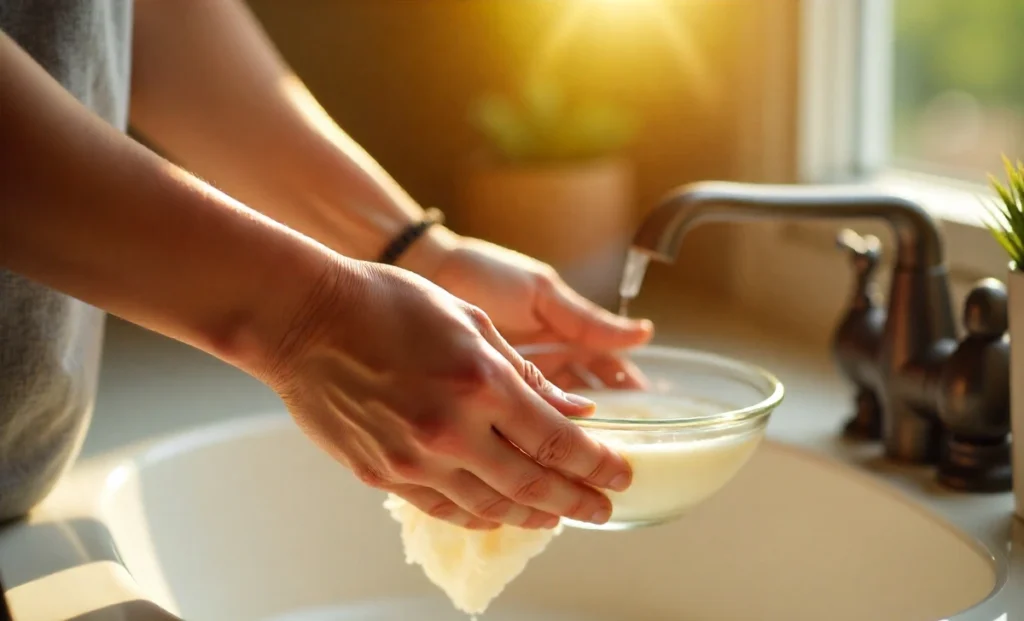
You wake up, check your phone, rush through your morning routine, commute to work, scroll through social media, eat dinner, watch Netflix, and repeat. Your life is comfortable. You have things. But something feels… hollow. Like you’re going through the motions without truly living.
This isn’t just you. A 2023 global study found that 62% of people feel their daily lives lack deeper meaning, even when they have material comfort. We’ve optimized our lives for efficiency and convenience, but we’ve lost the sense of purpose that comes from meaningful effort.
There’s a Japanese concept that addresses this exact emptiness. It’s called Soutaipasu (総体パス)—which translates to “applying your whole self—your sweat and effort—for the benefit of others.” Unlike complicated self-help trends, Soutaipasu offers something profound: the secret to finding joy in your ordinary, daily actions.
This isn’t about grand gestures or life-altering changes. It’s about transforming how you approach your existing routines.
In this guide, you’ll discover:
- What Soutaipasu truly means in everyday lifestyle terms (beyond the dictionary definition)
- 5 simple practices you can start today to bring this philosophy into your home, relationships, and personal time
- The neuroscience behind why helping others literally rewires your brain for happiness
- A 30-day Soutaipasu challenge that takes just 15 minutes per day
- Real stories of people who transformed their daily lives using this approach
If you’re tired of the “self-care” that feels selfish and the “productivity” that leaves you empty, this ancient Japanese wisdom offers a refreshingly different path to a fulfilling life.
What is Soutaipasu in Daily Life? (No Japanese Required)
Soutaipasu sounds exotic, but its application is beautifully ordinary. At its core, it’s the practice of putting deliberate, caring effort into things that benefit others, and in doing so, finding deep personal satisfaction.
Think of it as the opposite of today’s “minimum effort, maximum reward” culture. It’s “meaningful effort, shared reward.”
Here’s what Soutaipasu looks like in real life:
- In Your Home: It’s not just cleaning your kitchen. It’s polishing the sink until it shines because you know your partner loves starting the day with a tidy space.
- In Your Cooking: It’s not just making dinner. It’s chopping the vegetables with extra care, arranging the plate beautifully, because the visual joy is part of the gift of the meal.
- In Your Relationships: It’s not just sending a birthday text. It’s remembering how your friend takes their coffee and making it perfectly for them when they visit.
- In Your Community: It’s not just walking your dog. It’s picking up one piece of litter on your route, leaving the path slightly better than you found it.
The Beautiful Paradox: The “sweat” you exert for others’ benefit becomes the source of your own deepest contentment. You stop asking “What’s in it for me?” and start feeling “My effort itself is the reward.”
The 5 Pillars of a Soutaipasu Lifestyle
You don’t need to move to Japan or meditate for hours. Build your life on these five accessible pillars.
1. Intentional Household Effort
Transform chores from drudgery to acts of care.
- Practice: Choose one household task per week to perform with exaggerated care. Fold laundry with precision. Organize a drawer not just for function, but for beauty.
- Why It Works: This turns maintenance into mindfulness. Your home becomes not just a place you live, but a testament to your caring effort.
2. Nourishment as a Gift
Reimagine how you prepare and share food.
- Practice: Once a week, cook a meal where you focus on one element of extra care—the perfect doneness of rice, a handmade sauce, an artful garnish—done purely to delight someone else.
- Why It Works: Cooking becomes an act of love, not a chore. You connect to the ancient human ritual of nourishing your tribe.
3. Micro-Attention in Relationships
Replace grand gestures with consistent, tiny acts of noticing.
- Practice: Listen to fully understand, not to reply. Remember a small preference (a favorite snack, a hated chore) and act on it unexpectedly.
- Why It Works: These “micro-attentions” build deeper bonds than expensive gifts. They whisper, “I see you.”
4. Community Contribution
See your immediate environment as your responsibility.
- Practice: Adopt a 100-foot radius. Keep it clean, greet neighbors, and offer help with a heavy package. Your “community” is wherever you are standing.
- Why It Works: It combats modern anonymity. You become a node of goodwill, and your world feels safer and more connected.
5. Craftsmanship in Hobbies
Pursue skill not for Instagram, but for the quiet pride of creating something good.
- Practice: Whether gardening, knitting, writing, or fixing things, dedicate yourself to doing it well, not just doing it. Give your handmade creations away.
- Why It Works: It reconnects you with the human need to create and contribute tangible value. The process becomes the purpose.
The Science Behind the Sweat: Why This Works
This isn’t just poetic philosophy. Neuroscience and psychology back it up.
- The Helper’s High: Acts of kindness release endorphins (your brain’s natural painkillers) and oxytocin (the “bonding hormone”), creating a genuine physical lift.
- Eudaimonic vs. Hedonic Happiness: Hedonic happiness comes from pleasure (a good meal, a new purchase). Eudaimonic happiness comes from meaning and purpose. Soutaipasu directly fuels the latter, which is proven to be more sustainable and fulfilling.
- The Effort Justification Principle: Our brains value things more when we put effort into them. By investing “sweat” into your relationships and environment, you subconsciously increase their worth and your attachment to them.
- Reduced Rumination: Focusing your mental energy on constructive, outward-directed effort (e.g., “How can I make this better for them?”) pulls you out of anxious, inward-focused thought loops about your own problems.
Your 30-Day Soutaipasu Lifestyle Challenge
Commitment: 15 focused minutes per day. Cost: $0. Goal: To rewire your habit from “What can I get?” to “What can I contribute?”
Week 1: The Home Front
- Day 1-7: Each day, complete one routine household task with 100% focused attention and care. Notice the difference in feeling.
Week 2: The Relationship Layer
- Day 8-14: Each day, perform one small, unprompted act of service for someone in your home. Make their bed. Prep their lunch. No announcement needed.
Week 3: The Community Circle
- Day 15-21: Each day, perform one small act of anonymous goodwill in your community. Pick up litter, return a stray cart, hold a door open with a smile.
Week 4: Integration
- Day 22-30: Mix and match from the previous weeks. Notice the subtle shift in your mindset. Do you start looking for opportunities instead of chores?
3 Common Mistakes When Starting a Soutaipasu Lifestyle
- Mistake: Making It About Martyrdom.
- The Sign: You feel resentful because your effort isn’t noticed or praised.
- The Fix: The practice must be its own reward. Do it for the satisfaction of a job well done, not for external validation. The joy is in the doing.
- Mistake: Going Too Big Too Fast.
- The Sign: You commit to baking bread for all your neighbors weekly and burn out by day 10.
- The Fix: Start microscopically. The philosophy is in the quality of intention, not the scale of the action. A perfectly made cup of tea for your spouse is worth more than a stressful, elaborate dinner party.
- Mistake: Neglecting Self-Care.
- The Sign: You pour all your energy into others and end up depleted.
- The Fix: Soutaipasu includes yourself. Applying careful, loving effort to your own well-being—preparing yourself a nutritious meal, creating a peaceful bedtime ritual—is foundational. You cannot draw water from an empty well.
The Ripple Effect: How Small Acts Transform Your World
When you live by Soutaipasu, you initiate a quiet revolution.
- In Your Home: Atmosphere shifts from transactional to nurturing. Friction decreases. A sense of shared, quiet care permeates.
- In Your Mind: The mental chatter of “I, me, mine” softens. You become less preoccupied with your own dissatisfactions because you’re actively engaged in solving small, tangible problems for your little world.
- In Your Community: You become a catalyst. Your small acts of maintenance and kindness are often unconsciously mimicked by others, creating a slightly kinder, more attentive local environment.
This is the true “7-Figure” secret: a life rich in connection, purpose, and quiet satisfaction. It’s a wealth that compounds daily, paid in the currency of meaningful moments.
FAQs
Isn’t this just being a people-pleaser?
No. People-pleasing is about seeking approval and avoiding conflict, often while suppressing your own needs. Soutaipasu is about deriving authentic joy from the act of contributing value, from a place of personal abundance. It’s giving because you want to, not because you need validation.
I’m busy and overwhelmed. How can I add this?
This philosophy is about transforming existing actions, not adding new ones. It’s not an extra task; it’s a different mindset while you do your tasks. Wash the dishes with care instead of with resentment. The time spent is the same; the experience is utterly different.
What if people take advantage of my efforts?
Soutaipasu is not about being a doormat. It’s about chosen, intentional contribution. You control the what, when, and how much. The practice builds discernment—you learn to direct your effort where it will be valued or do genuine good, not where it will be exploited.
Can I practice Soutaipasu if I live alone?
Absolutely. Your “others” can be your future self, your pet, your plants, or your wider community. Preparing a beautiful meal for your future self to enjoy after work or keeping a shared hallway clean for neighbors are perfect expressions of this philosophy.
How is this different from mindfulness?
Mindfulness is about non-judgmental awareness of the present moment. Soutaipasu adds a direction and purpose to that awareness: it’s mindfulness channeled into outwardly focused, beneficial action. It’s mindfulness with a mission of care.
How long until I feel a difference?
Many people report a shift in feeling within the first week of the 30-day challenge. The act of deliberately choosing to put care into a small task creates an immediate sense of agency and purpose. The deeper lifestyle transformation solidifies over 2-3 months of consistent practice.
Conclusion: Your Life, Masterfully Crafted
The pursuit of a good life has been overcomplicated. Soutaipasu brings it back to earth—to your kitchen, your living room, your sidewalk.
You don’t need to find your passion. You need to bring passion to what you already do. You don’t need a more exciting life. You need to meet your existing life with more exciting care.
Start tonight. Choose one thing—one meal, one conversation, one corner of a room. Apply your whole self to it, not for show, not for thanks, but for the silent, profound satisfaction of doing something well for the benefit of your small world.
That quiet satisfaction is the foundation of a life that doesn’t just look good, but feels deeply, sustainably good. It’s the 7-figure ROI on your attention. And it begins with your very next intentional act.
