
Picture this: your yard filled with massive, colorful blooms that make every neighbor stop and stare. That’s what hydrangeas can do for your Southern garden. These show-stopping plants have graced porches and pathways for generations, but they can feel finicky if you don’t know their secrets.
Growing hydrangeas in the South doesn’t have to be complicated. Sure, our heat and humidity present challenges, but once you understand what these beauties need, they’ll reward you with months of spectacular color. This guide walks you through everything—from picking the right variety to planting in the perfect location and keeping them happy through our sultry summers. You’ll get practical advice that actually works in Southern gardens, not generic tips that ignore our climate. Whether you’re planting your first shrub or trying again after past disappointments, you’re about to discover how simple it can be to fill your yard with these magnificent bloomers.
Know Your Southern Growing Conditions
Before you dig the first hole, take a good look at your yard. Southern soil is typically heavy clay that holds water like a sponge. That’s great during dry spells, but terrible for roots that need air. You’ll want to improve your soil with organic matter before planting.
Then there’s our sun. Those afternoon rays are brutal, especially in July and August. Hydrangea leaves are large and tender, which means they wilt fast in relentless heat. The secret is finding spots with morning light and afternoon protection. Think about the east side of your house, under tall trees with high canopies, or near structures that cast shade during the hottest hours.
Your success starts with matching the plant to the place. A hydrangea baking in full western sun won’t give you those magazine-worthy blooms, no matter how much you water it.
Picking the Best Hydrangeas for Hot Climates
Not every hydrangea loves our weather. Some varieties were bred for cooler regions and struggle here. Choose plants that can handle heat, and you’ll save yourself frustration.
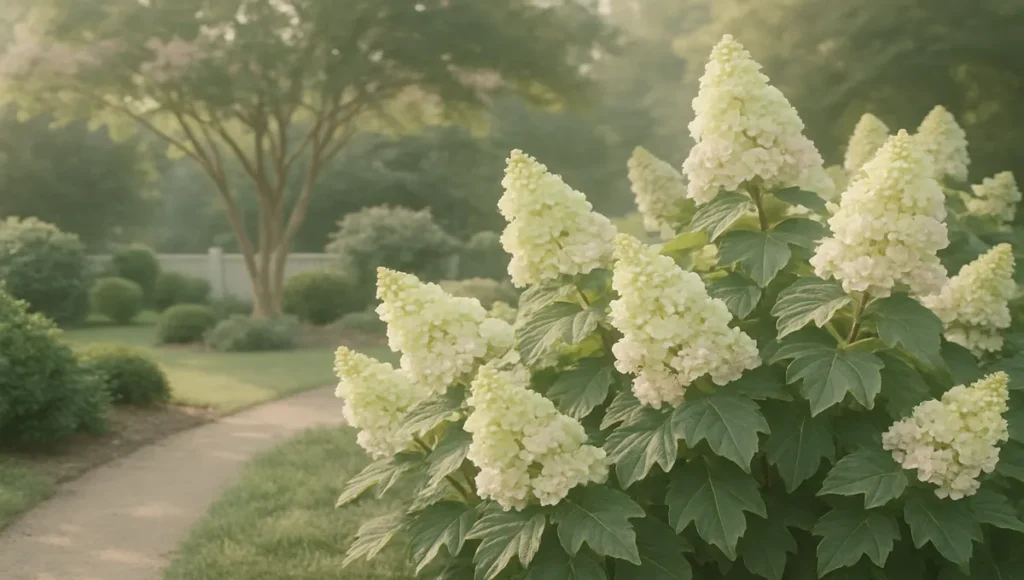
Oakleaf hydrangeas are Southern natives. They tolerate heat beautifully, offer gorgeous fall foliage, and produce cone-shaped white blooms that fade to pink. They’re nearly foolproof.
Panicle hydrangeas are another winner. Varieties like ‘Limelight’ and ‘Little Lime’ can take more sun than other types, bloom reliably every year, and require minimal fussing. Their flowers start lime-green and mature to creamy white or pink.
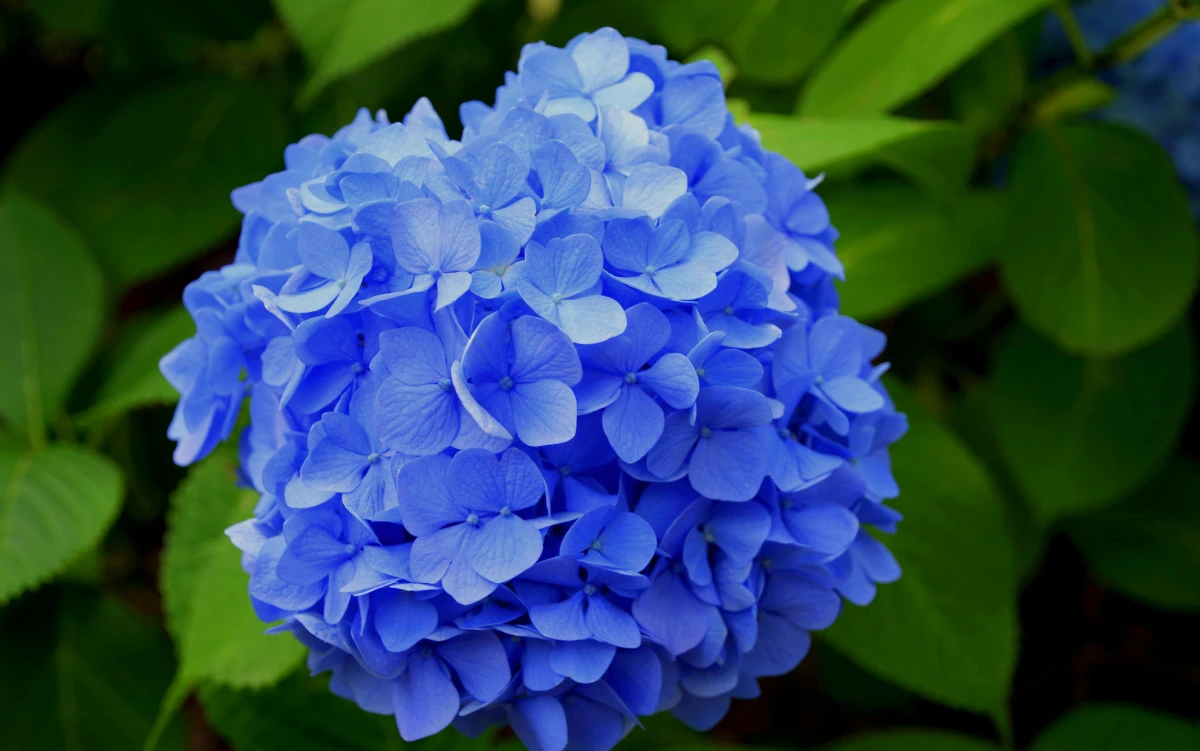
Bigleaf hydrangeas are the classic round-headed beauties you see everywhere. They’re stunning but need more afternoon shade and protection. If you’re new to hydrangeas, start with oakleaf or panicle types first.
The right variety makes all the difference. It’s better to plant something proven for our climate than to fight with a plant that wants cooler weather.
Planting Day Sets the Stage
When you plant matters as much as how you plant. Fall and early spring are ideal times. The weather is mild, and roots have months to establish before summer stress arrives.
Dig your hole twice as wide as the root ball but no deeper. You want roots spreading out, not sitting in a basin that collects water. Mix your clay soil with plenty of compost or aged pine bark. This creates a home that drains well but still holds moisture.
Set the plant so its crown sits right at soil level. Too deep and it’ll rot; too high and the roots dry out. Fill the hole halfway, water thoroughly to settle the soil, then finish filling. Water again. Finally, spread a three-inch layer of mulch around the base, keeping it a few inches away from the stems.
This extra effort during planting pays off for years. A well-planted hydrangea settles in quickly and starts growing strong.
Watering Without Overdoing It
Hydrangeas need consistent moisture, but our humidity means you can’t just soak them daily. Soggy soil leads to root rot and yellow leaves.
Water deeply two to three times per week during the growing season. Let the top inch of soil dry between waterings. This encourages deep root growth instead of shallow, weak roots.
Always water at the base of the plant in the morning. Wet leaves left overnight invite fungal diseases, which spread fast in our humid air. During heat waves, you might need to water more often, but check the soil first. Stick your finger down a few inches—if it’s still moist, wait another day.
Think of watering like a regular routine, not a daily chore. Your hydrangeas will be healthier for it.
Getting Pruning Right
Pruning trips up more gardeners than anything else. The trick is knowing when your specific hydrangea blooms.
Oakleaf and bigleaf types bloom on old wood. That means the flower buds formed last year. Prune these right after their flowers fade in summer. Cut them in winter or early spring, and you’ll slice off all the blooms for that year.
Panicle and smooth hydrangeas bloom on new wood. They form buds on the current season’s growth. Prune these in late winter before new growth starts. You can shape them however you like without worrying about losing flowers.
If you’re not sure which type you have, watch when it blooms. Summer bloomers usually flower on new wood; early summer bloomers typically flower on old wood. When in doubt, skip pruning for a year and just remove dead stems.
Feeding and Mulching Through the Seasons
Feed your hydrangeas once in early spring with a balanced, slow-release fertilizer made for flowering shrubs. Follow the package directions—more isn’t better. A second light feeding after the first flush of blooms can help, but don’t feed after midsummer. Late feeding produces soft growth that won’t harden off before winter.
Refresh your mulch every spring. Pine straw, shredded bark, or even fallen leaves work beautifully. Mulch keeps weeds down, holds moisture in, and insulates roots from temperature swings.
For bigleaf hydrangeas, soil pH affects bloom color. Acidic soil gives you blue flowers; alkaline soil gives you pink. If you want to adjust color, do it gradually based on a soil test. Add aluminum sulfate for blue or lime for pink, following product instructions carefully.
Common Mistakes That Hurt Your Hydrangeas
- Full Afternoon Sun: This is the number one reason Southern hydrangeas struggle. Those big leaves can’t handle our intense afternoon heat. They’ll wilt, scorch, and stress the entire plant.
- Poor Drainage: Yellow leaves often mean waterlogged roots. If your soil doesn’t drain well, amend it heavily with organic matter or plant somewhere else.
- Wrong Pruning Time: Cutting at the wrong time means no blooms. Learn your plant’s type and prune accordingly.
- Skipping Mulch: Without mulch, soil temperature swings wildly, and moisture evaporates too fast. Your hydrangea will suffer.
- High-Nitrogen Fertilizer: Too much nitrogen creates beautiful foliage but few flowers. Stick with balanced formulas designed for blooming plants.
Conclusion
Growing hydrangeas in the South is absolutely doable when you work with our climate instead of against it. These plants aren’t asking for miracles—just the right spot with some shade, decent soil that drains well, and regular water. Choose a variety bred for heat, plant it properly, and give it the care it needs during our long growing season. Before you know it, you’ll have those stunning blooms that make Southern gardens so special. Your hydrangeas will become the pride of your yard, giving you armfuls of flowers and years of beauty.
Now get out there and plant something wonderful.
