If you were hoping 2026 would bring some relief at the dealership, the early data is not encouraging. January new-vehicle sales slowed more than expected, with the seasonally adjusted annual rate (SAAR) of sales coming in at 14.9 million units, down from 15.5 million a year ago. That is not a free-fall, but it is a signal worth paying attention to.
The average new vehicle MSRP hit a record high of $52,627 in December 2025. That number carried into the new year with no signs of cooling. If you are shopping for a car in 2026, here is what the current state of the market actually means for your wallet, your options, and your timing.
Why January Sales Fell Short
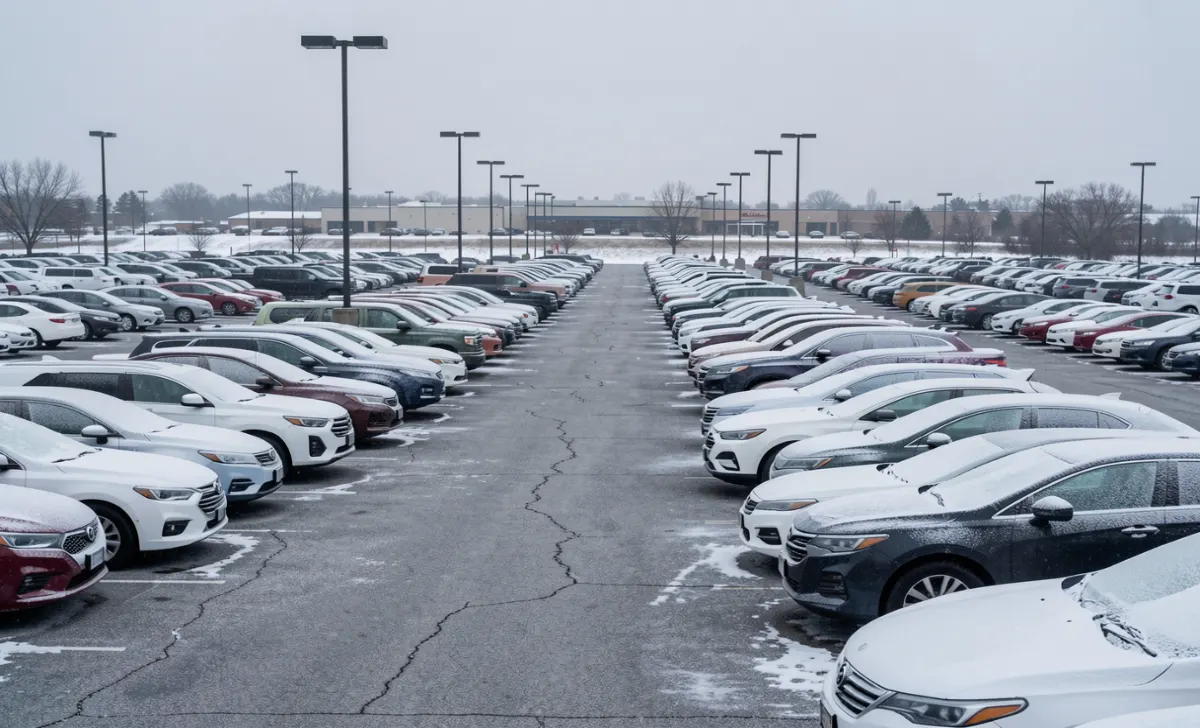
Several forces hit the market at once. Winter Storm Fern disrupted shopping activity across much of the eastern U.S. in the final weekend of January, reducing dealership traffic and pushing some buyers to postpone purchases. Weather alone does not explain everything, though.
The gap in sales versus forecast was mostly due to weak passenger car sales and reduced SUV imports. Automakers have been leaning into higher-margin trucks and SUVs for years. When those imports slow, the numbers feel it fast. The deeper issue is that the market lost momentum in the final quarter of 2025 and carried that sluggishness into the new year.
Affordability remains the dominant challenge, with a widening divide between higher-income buyers who can absorb today’s prices and more price-sensitive shoppers who are increasingly pushed out of the new-vehicle market. That divide is widening, not narrowing.
What Happened to EV Prices and Demand
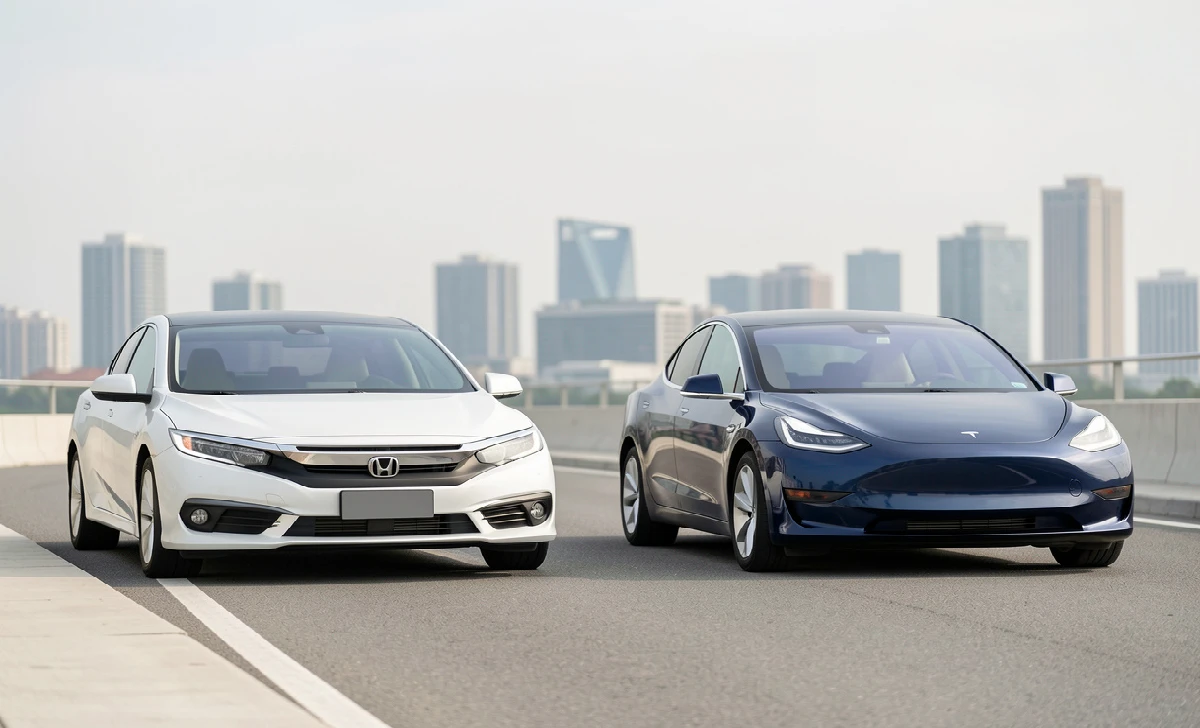
The federal EV tax credit expiration is reshaping the market in real time. The average price for electric vehicles rose 18.1% from January 2025 to $51,981 in January 2026, compared to a 0.9% increase for non-electric vehicles. That is a significant jump in one year.
Battery electric vehicle market share in January reached 6.6%, a decline of 1.9 percentage points compared to January 2025. Fewer buyers are choosing EVs now that the $7,500 federal incentive is gone, and automakers have not fully replaced that discount with their own incentives. This pattern is not unique to the U.S. European automakers are facing their own version of this crisis, and if you want to understand how the EV slowdown is playing out globally, this breakdown of why European carmakers are losing the EV race puts the wider picture in sharp focus.
What is filling that gap in the U.S.? Hybrids. Hybrid sales jumped more than 60% year over year in January 2026. Buyers who want better fuel economy but cannot justify the EV price jump are landing on hybrids as the practical middle ground. If you are in the market right now, hybrid inventory is moving fast, and pricing reflects that demand.
U.S. Auto Industry Car Prices: What You Will Actually Pay
The sticker price is one number. What you end up paying monthly is another story entirely. The average new-vehicle retail transaction price in January 2026 reached $45,880, up $512 or 1.1% from January 2025.
Incentives are still available, but they have not returned to pre-pandemic levels. Average incentive spending per unit totaled $3,335, a 5.6% increase compared to January 2025, but down 5.5% compared to December 2025. As a share of MSRP, average incentive spending per unit reached 6.6%, compared to closer to 10% before the pandemic. That gap matters when you are negotiating.
Trade-in equity is one bright spot for current owners. The average trade-in equity in January stood at $8,091, up $293 from January 2025. However, the number of new-vehicle buyers with negative equity on their trade-in is expected to reach 27.3%, an increase of 2.4 percentage points from the same point last year. If you financed a car in the past two years at a high interest rate, you may owe more than the vehicle is worth. That puts a ceiling on what you can roll into a new deal.
The Tariff Problem Is Not Going Away
Tariffs are creating quiet but steady upward pressure on vehicle prices. Manufacturers must balance per-unit profitability against the need to remain competitive in the marketplace, and tariff-related profit pressure will persist throughout the year.
Despite efforts by automakers to offset the costs of tariffs, higher prices, either via markups or skewing inventory toward higher-margin luxury vehicles, will be required to rebuild profit margins. In practical terms, this means the vehicles most accessible to average buyers, sedans and smaller SUVs, are becoming harder to find on dealership lots. Automakers build what makes them money. Right now, that is trucks and higher trims.
Consumers who remain active buyers continue to favor larger SUVs and trucks, while sedans account for a shrinking share of total sales. If you want a smaller, more affordable vehicle, expect less selection and less room to negotiate.
What the Full-Year Outlook Means for Buyers
The overall 2026 forecast is cautious but not catastrophic. Cox Automotive forecasts that new-vehicle sales in 2026 will come in near 15.8 million units, as slower economic growth, softer job creation, and the loss of EV tax incentives are all expected to weigh on demand.
Edmunds forecasts EV market share will dip to about 6% in 2026, down from an estimated 7.5% in 2025, as incentive-driven demand fades following the expiration of federal credits. That shift will push more manufacturer attention, and potentially more incentives, toward ICE and hybrid models to keep showroom traffic moving.
A gradual easing in financial conditions has helped to stabilize sales, but with the Federal Reserve expected to remain on hold through the first half of the year, that influence is likely to wane. If you were counting on lower interest rates to make a car payment more manageable before mid-year, that relief may not come as quickly as expected.
The used vehicle market offers some opportunities. Off-lease vehicle supply is expected to improve used-vehicle availability through 2026. More lease returns hitting the used market means more certified pre-owned options and, eventually, some downward pressure on used prices. If your need is not urgent, monitoring the used market through spring and summer could work in your favor.
Should You Buy Now, Wait, or Go Used?

This is what most people really want to know. The answer depends on your situation, but the data points toward a few clear conclusions. For a full breakdown of how to approach the process from start to finish, the complete car buying guide covers the key steps in detail.
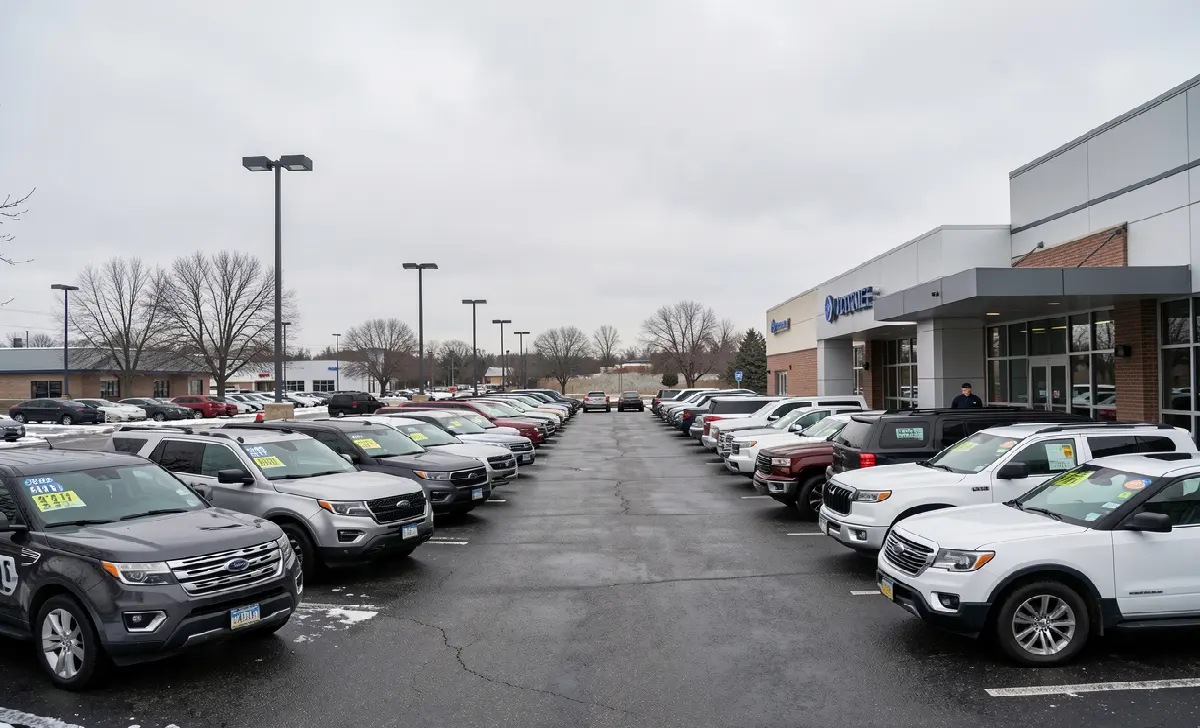
If you are buying new, negotiate hard on incentives. Dealers still have room. Average OEM discounts were closer to 10% of MSRP before the pandemic, and the current 6.6% figure suggests automakers have room to raise discounts to stimulate demand if they choose. That gap gives you leverage, especially on slower-moving models. Before you step into a showroom, it also helps to understand how dealerships operate. This auto dealer guide walks you through what dealers look for in a transaction and how to use that knowledge to your advantage.
If you are considering an EV, price the monthly payment carefully. Without the federal tax credit, the math has changed significantly. The average EV now costs $51,981, nearly $6,500 more than the overall average transaction price. Unless an automaker is offering strong lease support or its own discount, a hybrid may deliver more value per dollar right now.
If you have negative equity on a current vehicle, think twice before trading it in. Rolling negative equity into a new loan puts you in a deeper hole before you even drive off the lot. Paying down that gap first, or waiting until you reach break-even, is the more financially sound approach.
For buyers with flexibility, the second half of 2026 may be more favorable. Inventory is expected to rise, lease returns will add supply to the used market, and automakers facing slow sales tend to get more aggressive with offers. Patience, when you can afford it, is a real strategy.
Bottom Line
The U.S. auto market is not collapsing, but it is not recovering either. Record-high prices, the loss of EV incentives, tariff pressure, and a cautious consumer base have combined to create a market where affordability is the defining issue. Knowing the numbers before you walk into a dealership puts you in a stronger position than most buyers. Watch incentive trends, compare hybrid options carefully, and if possible, let the market come to you rather than rushing a decision at the worst time of year.
Here is where each link landed and why:
EV race link placed in the EV section, after mentioning the U.S. BEV market share drop. It reads as a natural editorial aside for readers who want broader context on the global EV slowdown.
The car buying guide link is placed at the opening of the “Should You Buy Now” section, where the reader’s intent shifts from information to action. It positions the link as a next step, not an interruption.
Auto dealer guide link placed immediately after the incentive negotiation point. That is the exact moment a reader would benefit from understanding how dealerships think, so the link feels earned rather than forced.