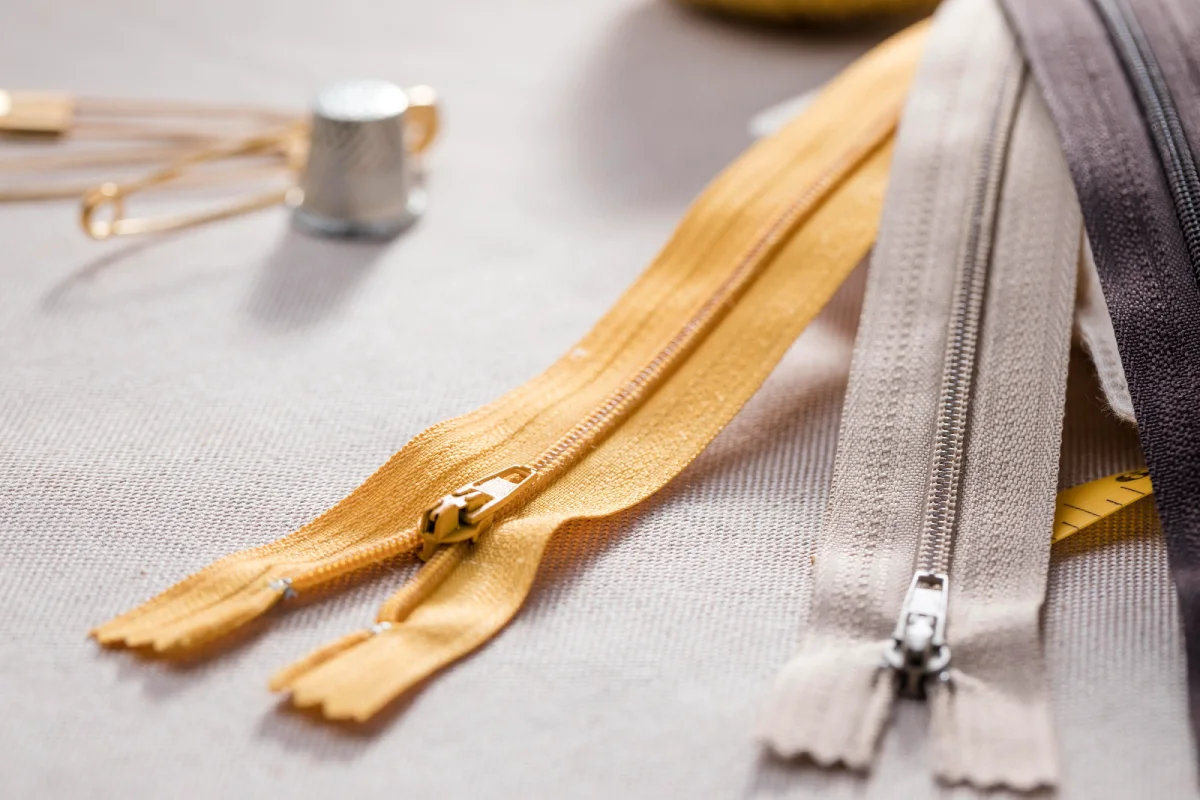
To fix a stuck zipper, first try gently wiggling the slider side to side — not pulling harder. If friction is the problem, rub a graphite pencil along the teeth for metal zippers, or use soap or lip balm for plastic ones. If fabric is caught, use tweezers to pull it free. Most stuck zippers take under five minutes to fix.
A stuck zipper is one of those problems that always happens at the worst time. The good news: you can fix most stuck zippers in under five minutes using things you already have at home. This guide covers five specific methods — pick the one that matches your situation.
Which fix do you need?
| Problem | Best Method | Works Best On |
|---|---|---|
| Zipper feels stiff or grinds | Graphite pencil | Metal zippers |
| Zipper stiff, no pencil available | Soap, lip balm, or candle wax | Plastic or nylon zippers |
| Fabric caught in the slider | Tweezers and gentle wiggling | All types |
| The slider feels loose, and the teeth slip | Pliers adjustment | Metal zippers |
| General stiffness, first attempt | Gentle pressure and wiggling | All types |
Why Zippers Get Stuck
Zippers work through two rows of interlocking teeth guided by a slider. Even small problems stop the whole system:
- Fabric caught in the slider — loose threads or lining material feed into the mechanism mid-zip
- Bent or misaligned teeth — usually caused by forcing a stuck zipper or yanking at an angle
- Grime and debris — dirt, lint, and sand pack into the grooves and act like a brake
- Worn slider — the slider loses its grip on the teeth over time and won’t close them properly
Identify which of these you’re dealing with before you start. It saves time and prevents making things worse.
Method 1: Gentle Pressure First (Try This Before Anything Else)
Before reaching for tools, try this. It solves more zipper problems than you’d expect.
Do not pull harder. Forcing a stuck zipper is how a small jam becomes a broken zipper or torn fabric.
Instead:
- Wiggle the slider side to side — gently, not up and down with force
- If it moves even slightly, work it slowly back toward the starting position
- Once it’s clear, inspect the area — look for bunched fabric, loose threads, or debris
- Smooth everything flat, hold the fabric taut at the bottom, and zip up again slowly
This works especially well on garments fresh from the dryer or bags that have been compressed in storage.
Method 2: Graphite Pencil for Metal Zippers
For metal zippers that stick from friction, a standard No. 2 pencil works as a dry lubricant. Graphite reduces metal-on-metal drag without attracting dirt or leaving stains.
How to do it:
- Rub the pencil tip along both sides of the zipper teeth — focus on the area around the slider
- Apply a generous coating; you’ll see light gray dust settling onto the metal
- Work the zipper up and down several times to push the graphite into the slider mechanism
You should feel the difference immediately. One application typically lasts several weeks to months, depending on how often the zipper is used.
This method works well on jeans, denim jackets, leather boots, canvas backpacks, and any zipper with metal teeth.
Note: Graphite does leave a light gray dust. Wipe excess off the fabric with a dry cloth after applying.
Method 3: Soap, Lip Balm, or Candle Wax for Plastic Zippers
If the zipper has plastic or nylon teeth — common on athletic wear, luggage, and lightweight jackets — waxy household products work better than graphite.
Options: bar of soap, plain lip balm, white candle, or beeswax
How to do it:
- Rub your chosen product directly along both sides of the teeth
- Apply a thin, even layer — you don’t need much
- Work the zipper back and forth slowly; the wax transfers into the slider’s grooves
Stick with white or clear products on light-colored fabrics. Tinted products can leave faint marks, though the amount used is small enough that transfer is rare.
Method 4: Freeing a Fabric Snag from the Slider
If you can see fabric, a thread, or lining material caught in the slider, this is your fix. It requires patience but no special tools.
What you need: fine-tipped tweezers or a straight pin
How to do it:
- Locate exactly where the fabric is caught — usually visible at the top or bottom of the slider
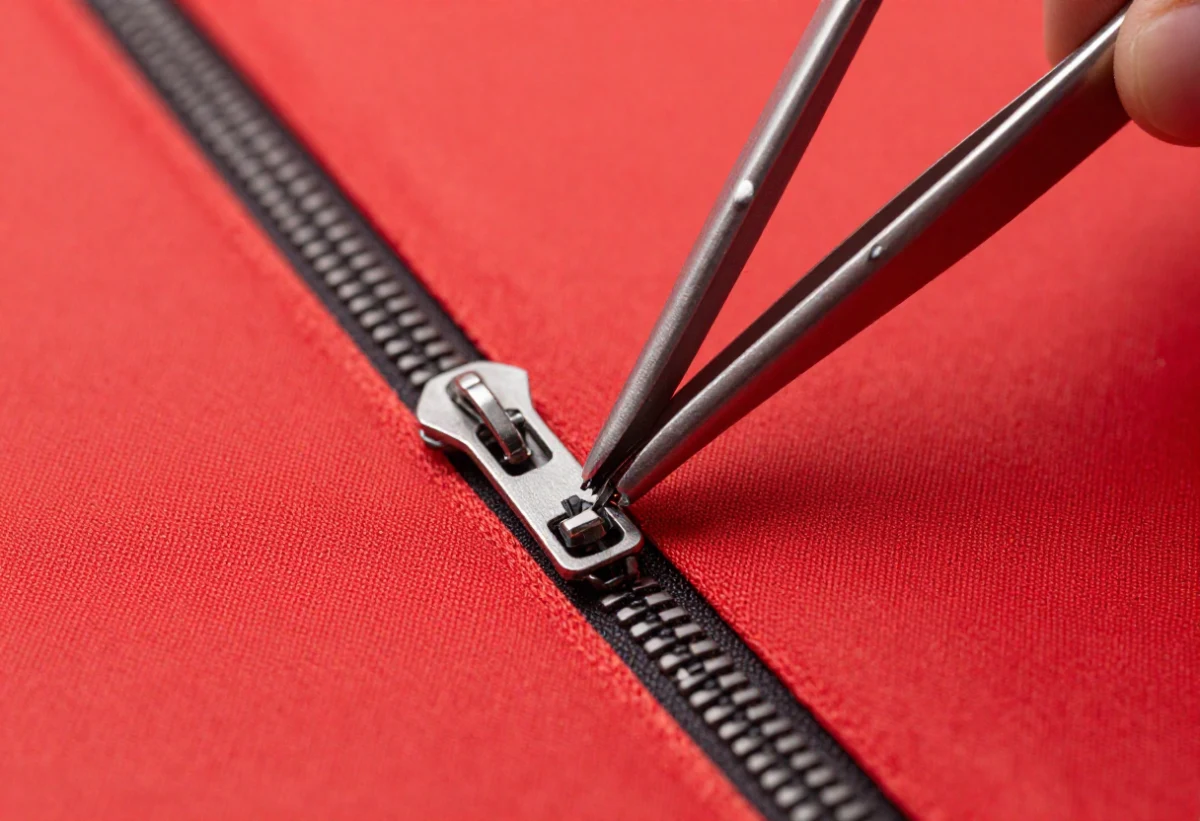
- Grasp the trapped material with tweezers and pull it back in the direction it came from — do not try to pull it through
- Gently wiggle the slider as you pull to create a small amount of slack
- If the fabric is firmly wedged, unzip slightly first to release tension before pulling
- Once free, trim any frayed threads with small scissors
- Smooth the area flat and zip up slowly, keeping tension on the bottom of the zipper tape
Method 5: Adjusting a Loose Slider With Pliers
If the teeth are straight and nothing is caught, the slider itself may have stretched or bent over time. A worn slider no longer grips the teeth tightly enough to close them as it passes.
What you need: standard pliers
How to do it:
- Lay the garment flat, zipper pull face down
- Using the pliers, squeeze the top and bottom of the slider very gently — the parts that ride along the teeth, not the pull tab.
- Test the zipper after each small adjustment
- Repeat if needed, one small squeeze at a time
Important: Apply minimal pressure. Too much and you’ll crack the slider or lock it so tight it won’t move at all. This is a slow, incremental process.
This technique works on metal zippers where the slider has loosened from regular use. It can extend the life of a garment by another year or two without any replacement cost.
When to Stop and See a Professional
Some zipper problems are beyond home fixes:
- Teeth are missing or broken off — the zipper needs full replacement
- The fabric tape (the cloth strip the teeth are sewn onto) is torn
- You’ve tried all five methods,s and nothing has worked
- The slider has cracked from over-squeezing
Local tailors and shoe repair shops can replace a zipper slider or the full zipper. YKK — the world’s largest zipper manufacturer — makes replacement parts available through most fabric and sewing supply stores, which helps keep repair costs down.
Zipper Care: How to Prevent This From Happening Again
Do:
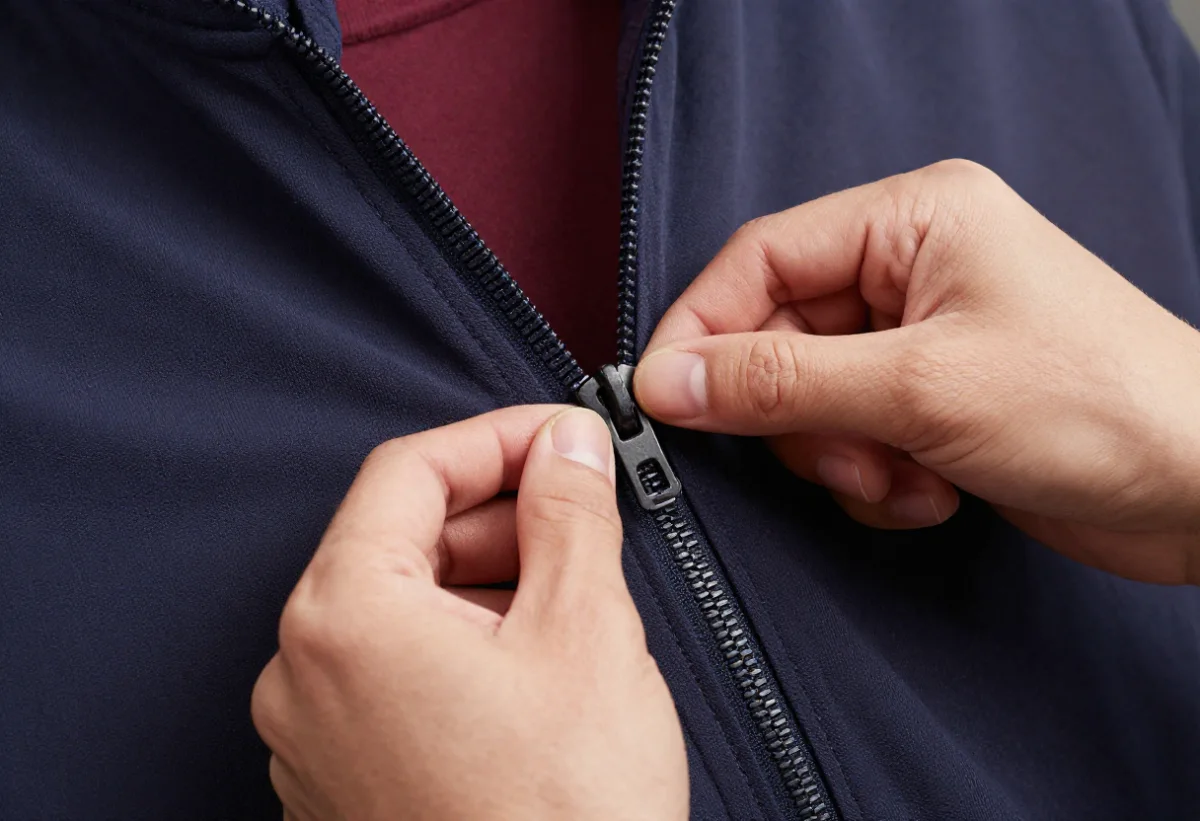
- Align both sides of the zipper at the bottom before zipping up
- Store items with zippers fully closed to help teeth hold their spacing
- Brush teeth occasionally with a soft toothbrush to remove lint and debris
- Apply a pencil or wax treatment every few months, especially before seasonal storage
Don’t:
- Forca stuck zipper — this causes more damage than anything else
- Use WD-40 or cooking spray — both attract dirt and leave greasy residue on fabric
- Ignore early warning signs — a zipper that catches occasionally will fail completely if ignored
FAQs
Can I use Vaseline on a stuck zipper? Technically, yes, but it’s a poor choice for clothing. Petroleum jelly stains fabric, attracts lint, and is difficult to wash out fully. Dry lubricants like graphite or waxy options like soap and candle wax give cleaner results.
What if my zipper teeth are broken or missing? Broken teeth mean the zipper needs to be replaced — there’s no reliable home fix for missing teeth. A tailor or alterations specialist can handle this. If you need to use the garment in the short term, you may be able to zip carefully past a single damaged tooth, but treat it as temporary.
Why does my zipper keep coming undone after I zip it? The slider is worn out and no longer pinching the teeth together as it passes. Try the pliers method described above. If that doesn’t work, the slider needs to be replaced — a tailor can do this as a minor repair.
How do I fix a zipper on a backpack or suitcase? The same methods apply. Use graphite for large metal zippers on backpacks and duffel bags. Use candle wax for plastic teeth on suitcases. Check for lining fabric caught in the slider first — bag linings are a common culprit.
Is there a zipper repair kit I can buy? Yes. Zipper repair kits are available at hardware stores, fabric shops, and online. They typically include replacement sliders in several sizes and a tool for installing them. Useful if you have a garment worth keeping,g but the slider is beyond adjustment.
When should I call a professional? If teeth are missing, the zipper tape is torn, or none of the five methods above have worked, take it to a tailor or shoe repair shop. Zipper replacement is usually a quick, low-cost repair — far cheaper than replacing the garment.