
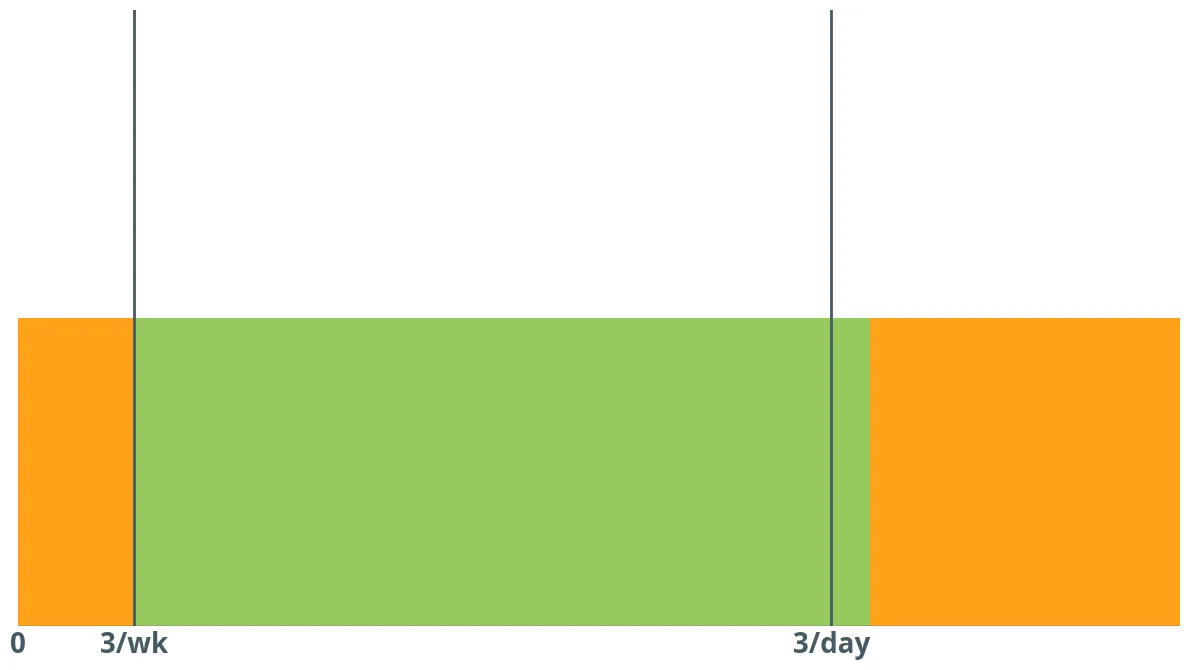
The healthy range for bowel movements is three times a day to three times a week. Research suggests that once or twice daily is the most favorable for gut health. What matters most is your personal pattern — a change that lasts more than two weeks without an obvious cause is worth investigating.
Most of us never talk about it — but our bodies are giving us daily signals worth paying attention to. Your bowel movement frequency is one of the most telling and most ignored health markers you have.
A large study published in 2024 in Cell Host & Microbe tracked over 1,400 adults and confirmed what gastroenterologists have long suspected: how often you go, and what it looks like, reflects what’s happening across your entire body — from your gut bacteria to your kidneys to your brain.
This article covers what healthy looks like, what different patterns mean, and what you can do about it — without embarrassment and without unnecessary alarm.
What Is the Healthy Range for Bowel Movements?
The medically accepted range is three times a day to three times a week. That’s a wide window, and it’s intentional — healthy people vary significantly.
The 2024 study identified an optimal zone within that range: once or twice daily. People in this group showed the healthiest gut bacteria profiles, the lowest markers of inflammation, and the best metabolic indicators. The researchers informally called this the “Goldilocks zone.”
But here’s what matters more than hitting a number: your consistency. If you’ve gone every other morning your whole adult life and feel fine, that’s your normal. The concern isn’t the number itself — it’s a change in your number that sticks around for more than two weeks without an obvious cause.
How to Read Your Stool: The Bristol Stool Scale
Frequency is only part of the picture. What comes out matters as much as how often.
The Bristol Stool Scale is the clinical standard for classifying stool. It runs from Type 1 to Type 7:
- Type 1–2: Hard, lumpy, difficult to pass. Signs of constipation.
- Type 3–4: Smooth, sausage-shaped, easy to pass. This is the healthy target.
- Type 5–7: Soft blobs, fluffy pieces, or entirely liquid. Points toward diarrhea.
If you’re in the Type 3–4 range most of the time, your digestive system is functioning well. Consistent Type 1–2 or Type 6–7 stools are worth addressing, even if the frequency feels “normal.”
What Your Frequency Pattern Actually Tells You
The 2024 study sorted participants into four groups. Here’s what each group’s data showed:
Constipation (1–2 movements per week). People in this group had higher levels of bacteria linked to protein fermentation rather than fiber fermentation. This matters because protein fermentation in the colon produces compounds — including indoxyl-sulfate — that in high concentrations are associated with kidney stress. The data also showed lower levels of the short-chain fatty acids that reduce inflammation and support the gut lining.
Low-normal (3–6 movements per week). Generally healthy profiles, though the lower end of this group showed some overlap with the constipation markers above.
High-normal (1–3 movements per day). This group had the most favorable gut bacteria profiles: more fiber-fermenting bacteria, higher short-chain fatty acid production, and lower systemic inflammation markers.
Diarrhea (4+ watery stools daily). This group showed bacteria typically found in the upper digestive tract — where they shouldn’t dominate — and elevated markers of liver stress. Frequent loose stools also reduce the time your gut has to absorb nutrients, which has downstream effects.
What Can Cause Shifts in Your Pattern
Before assuming the worst, run through the common causes. Most changes in bowel habit have an obvious driver:
- Diet changes — adding or removing fiber, eating on the road, trying a new diet
- Hydration — even mild dehydration stiffens stool quickly
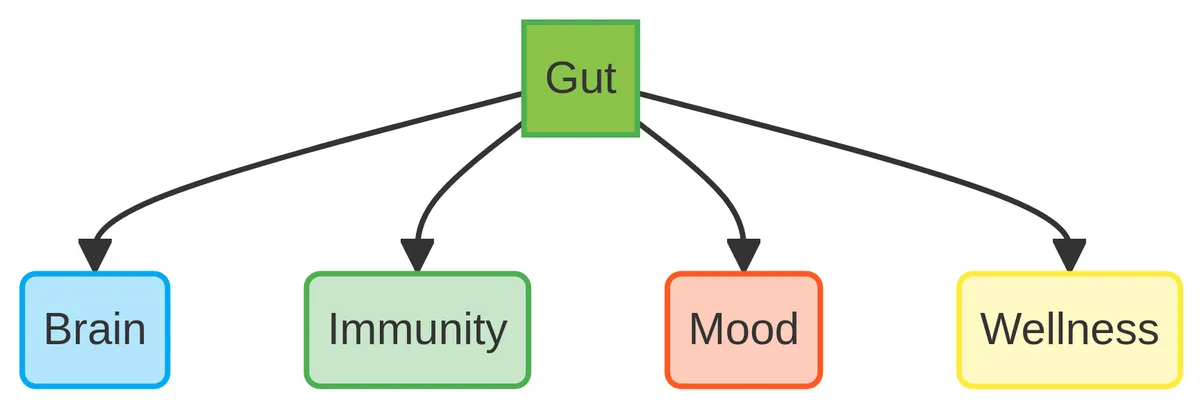
- Stress — your gut and brain are directly connected via the vagus nerve (the gut-brain axis). Anxiety accelerates or slows digestion in real, measurable .ways
- Medications — opioids, iron supplements, some antidepressants, and antibiotics all affect bowel habit significantly. If you recently started a new medication and your pattern changed, that’s the likely cause. lprit
- Travel — time zone changes, new water, unfamiliar food
- Age — metabolism and muscle tone in the gut change with age. Slower transit times are common but not inevitable in older adults
The study also found that women, younger adults, and people with lower body mass index tended to report less frequent bowel movements on average. This is worth knowing if you’re comparing yourself to others.
Three Lifestyle Factors That Make the Biggest Difference
The study found clear lifestyle differences between the constipation group and the optimal group. Three factors stood out:
1. Fiber intake: People in the healthy frequency range ate significantly more fiber. Current dietary guidelines recommend 25 grams daily for women and 38 grams for men, but most adults get around 15. Good sources include leafy greens, berries, beans, oats, and whole grains. Aim for variety — different plants feed different bacteria.
Important: Add fiber gradually. Adding too much too fast causes gas, bloating, and cramping as your gut bacteria adjust. Give it two to three weeks.
2. Water intake. Fiber without water doesn’t work. Fiber draws water into your stool to keep it soft and movable. If you increase fiber and don’t increase water, you may actually worsen constipation. A general target is eight 8-ounce glasses daily, more if you’re exercising or in hot weather.
3. Physical movement Exercise stimulates the contractions your intestines use to move stool along. A 20-minute walk, especially after meals, can meaningfully improve transit time. You don’t need intense exercise — consistent moderate movement is what the data supports.
Supporting Your Gut Bacteria Directly
Beyond fiber, water, and movement, two additional habits are worth adding:
Fermented foods: Yogurt, kefir, kimchi, sauerkraut, and miso contain live bacteria that support your gut. These aren’t a fiber replacement— they work differently. Think of fiber as feeding your existing bacteria; fermented foods as adding new ones.
Consistent meal timing: Your gut runs on a circadian rhythm. Eating at roughly the same times each day helps regulate the hormonal signals that trigger digestion. Irregular eating patterns are associated with irregular bowel habits.
Stress management: This one is often skipped in gut-health articles because it sounds soft. It isn’t. The gut-brain axis is a real, bidirectional communication system. Chronic anxiety raises cortisol, which directly disrupts gut motility. Ten minutes of deliberate calm — whatever form that takes for you — is not a luxury if you’re dealing with chronic digestive irregularity.
Practical Habits Worth Adding
- Foot stool on the toilet: Elevating your feet 6–9 inches while sitting on the toilet changes the angle of your rectum, making elimination easier and more complete. This is not folk wisdom — it’s basic anatomy.
- Same time each day: Visiting the bathroom after breakfast, when the gastrocolic reflex is strongest, trains your body over time. Don’t wait for urgency — schedule it.
- Respond to urges promptly: Repeatedly ignoring the signal to go weakens the reflex over time. If you can, go when your body asks.
- Don’t rush: Straining raises blood pressure and contributes to hemorrhoids. If it’s not happening in a few minutes, come back later.
- Track patterns for two weeks: A simple note of what you eat and what happens helps identify trigger foods and helpful habits. You’ll see patterns you wouldn’t catch otherwise.
When to See a Doctor
Occasional variation is normal. These signs are not:
See your doctor if any of the following last more than two weeks or come with other symptoms:
- Persistent constipation or diarrhea that doesn’t respond to diet changes
- Blood in your stool — either bright red or black and tarry
- Severe abdominal cramping or pain
- Unexplained weight loss
- Consistently thin, ribbon-like stools
- Diarrhea with fever above 102°F, severe dehydration, or signs of blood
These can indicate conditions — including IBS, inflammatory bowel disease, celiac disease, or, in some cases, colorectal cancer — that need proper diagnosis. An earlier assessment is always better.
What to Take Away From All of This
Your bowel movement frequency is a useful signal, not a source of anxiety. The healthy range is wide. Your baseline matters more than hitting a specific number. And most pattern changes respond well to more fiber, more water, and more movement.
The one thing worth acting on today: if something has changed and stayed changed for two weeks or more, don’t ignore it. That’s your body asking you to pay attention — and it’s worth listening.
Frequently Asked Questions
How often should I poop to be considered healthy? The healthy range is three times a day to three times a week. Within that range, once or twice daily appears to be the most favorable for gut health based on current research. What matters most is your personal baseline and whether it’s changed.
What’s the fastest way to relieve occasional constipation? Drink a large glass of water, walk for 20 minutes, and eat something fiber-rich like prunes, flaxseeds, or beans. Warm liquids in the morning — coffee or tea — also stimulate bowel activity. If constipation lasts more than three days with significant discomfort, see your doctor.
Can my bowel habits affect my mood and energy levels? Yes. Your gut produces roughly 90–95% of your body’s serotonin and communicates directly with your brain through the gut-brain axis. When digestion is chronically off, it can contribute to low energy, brain fog, and mood changes.
Is it normal for bathroom habits to change with age? Some slowing of transit time is common as people age. But persistent changes in frequency, stool consistency, or comfort shouldn’t be dismissed as normal aging. Any change that lasts more than two weeks deserves a conversation with your doctor.
What foods most reliably support regularity? Diverse fiber sources are the most evidence-backed option: leafy greens, berries, beans and lentils, oats, and whole grains. Add fermented foods like yogurt and kefir on top of that. Increase water intake alongside any fiber increase, or it may make constipation worse.
When is diarrhea a sign of something serious? Occasional diarrhea from a virus or a bad meal is normal. Seek care if it lasts more than two days, includes blood, comes with high fever or severe pain, or leaves you showing signs of dehydration — dark urine, dizziness, dry mouth.