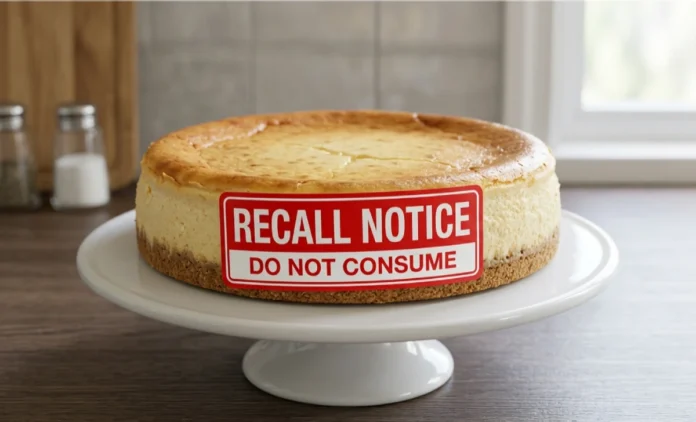
If you picked up a King Cheesecake cake recently—or tucked one away in the freezer for a special occasion—this is worth a few minutes of your time.
King Cheesecake Company, based in Houston, Texas, issued a voluntary recall in the summer of 2026 after discovering that pecans used in several of their popular cakes could be contaminated with Salmonella. The FDA later classified it as a Class I recall, which is the highest level of concern the agency assigns. That’s not meant to scare you—it just means the risk is serious enough that eating an affected product could lead to real health problems.
The good news: no confirmed illnesses have been publicly linked to these cakes. The recall was preventive. But that’s exactly why it matters—catching it early is how the system is supposed to work.
Let’s walk through everything you need to know: which cakes are affected, why pecans are even part of the Salmonella conversation, what to do with a recalled product, and where things stand as of 2026.
Which King Cheesecake Cakes Were Recalled?
Here’s the specific list of affected products in the King Cheesecake Company recall 2026. If you have any of these at home, you’ll want to check the packaging carefully:
| Product Name | Key Concern |
|---|---|
| Italian Layer Cake | Contains pecans |
| Carrot Layer Cake | Contains pecans |
| Tres Leches Cheesecake | Contains pecans |
| Hummingbird Layer Cake | Contains pecans |
| Chocolate Tres Leches Cheesecake | Contains pecans |
| Assorted Layer Cakes | Contains pecans |
All six varieties share one thing in common: pecans. That’s the ingredient tied to the potential contamination.
To check whether your specific cake is part of the recall:
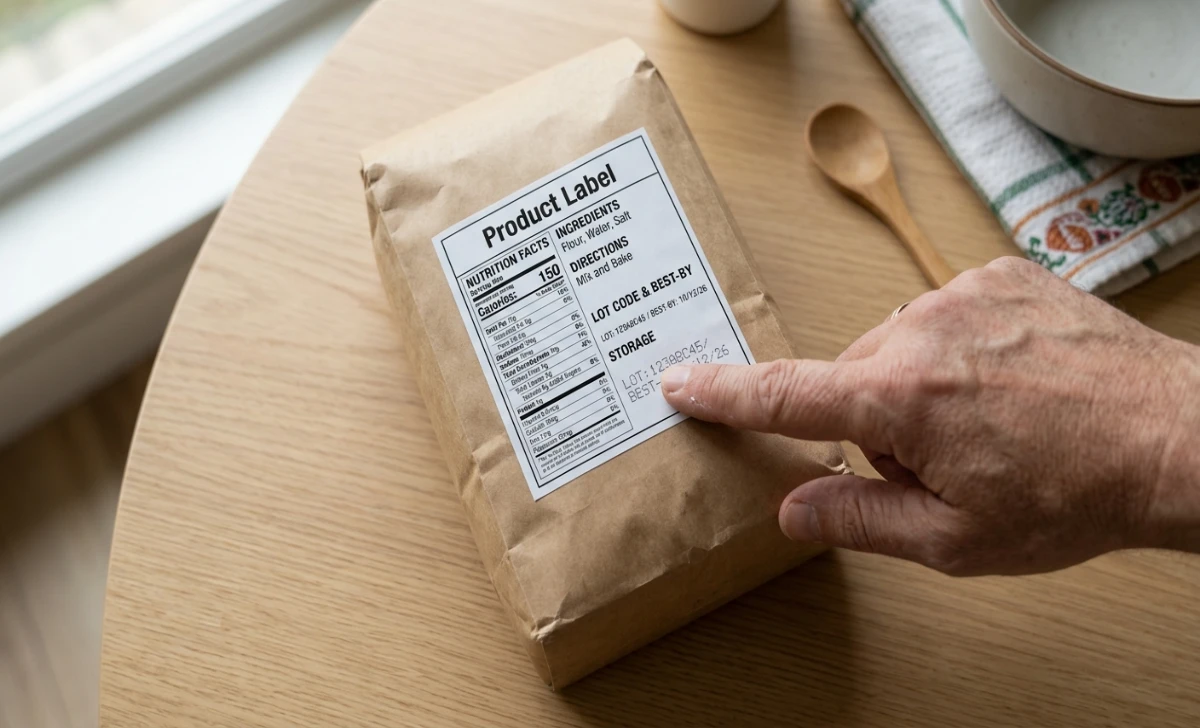
- Look at the bottom or side panel of the packaging for a lot code and best-by date
- Cross-reference those numbers with the FDA’s official recall page at fda.gov/safety/recalls-market-withdrawals-safety-alerts
- If you’re unsure, contact the store where you purchased it—most will look it up for you on the spot
Don’t just glance at the name and assume you’re in the clear. Check the actual numbers. I’ve seen people skip that step and spend days worrying needlessly—or worse, skip it and keep eating something they shouldn’t.
Why Would Pecans Have Salmonella? (It’s Not What You’d Expect)
This part trips a lot of people up. Pecans are dry. They’re a shelf-stable nut. It seems counterintuitive that they’d be linked to a bacteria most of us associate with raw chicken or undercooked eggs.
Here’s what actually happens: Salmonella doesn’t need moisture to survive—it just can’t grow in a dry environment. The bacteria can be picked up at the farm level, during harvesting, or in processing and storage facilities. If conditions aren’t tightly controlled at any point in that chain, contamination can hitch a ride all the way to your dessert plate.
In this case, the supplier reportedly flagged the potential issue during testing. King Cheesecake Company then made the call to pull the products rather than wait to see what happened. That’s responsible handling of the situation, even if it’s inconvenient for everyone involved.
It’s not the first time tree nuts have triggered a recall—this kind of thing happens more than most people realise. Over the years, almonds, walnuts, and cashews have all appeared in similar notices. Dry doesn’t automatically equal safe, especially when you’re dealing with large-volume commercial supply chains.
How Serious Is the King Cheesecake Salmonella Risk?
For most healthy adults, Salmonella causes a pretty miserable few days—but not a medical emergency. Symptoms typically appear within 6 hours to 6 days after eating contaminated food and can include:
- Diarrhoea (sometimes severe)
- Fever
- Stomach cramps
- Nausea or vomiting
Most people recover on their own within 4 to 7 days.
Where it gets more serious is with more vulnerable people: young children, adults over 65, pregnant women, and anyone with a weakened immune system. For these groups, Salmonella can become life-threatening if it spreads beyond the gut into the bloodstream. That’s the part that doesn’t always make the news blurb, but it’s exactly why a Class I recall gets issued even before a single illness is confirmed.
Keeping your immune system in good shape year-round makes a real difference in how your body handles situations like this. If you’re looking for a practical place to start, a 30-day wellness challenge for beginners is a low-pressure way to build habits that support your overall health over time.
If you or someone in your home falls into one of those high-risk categories and has recently eaten any of the affected King Cheesecake products, it’s worth calling a doctor—even if symptoms haven’t started yet.
What to Do Right Now If You Have a Recalled Cake
Let’s keep this practical. Here’s exactly what to do, step by step:
Step 1: Check your fridge and freezer today. Seriously—do it now, not later. These cakes can get pushed to the back of a shelf and forgotten. Check for all six variety names listed above.
Step 2: Don’t eat it, even if it looks and smells fine. Salmonella has no taste, no smell, no visible sign. Looking “okay” means nothing here.
Step 3: Throw it away or return it. Seal it in a bag before tossing it to avoid contaminating other surfaces. Alternatively, bring it back to the store for a full refund—most retailers will process this with or without a receipt once the recall is flagged in their system. If a cashier gives you trouble, ask for the store manager and mention the FDA Class I recall status. That usually moves things along.
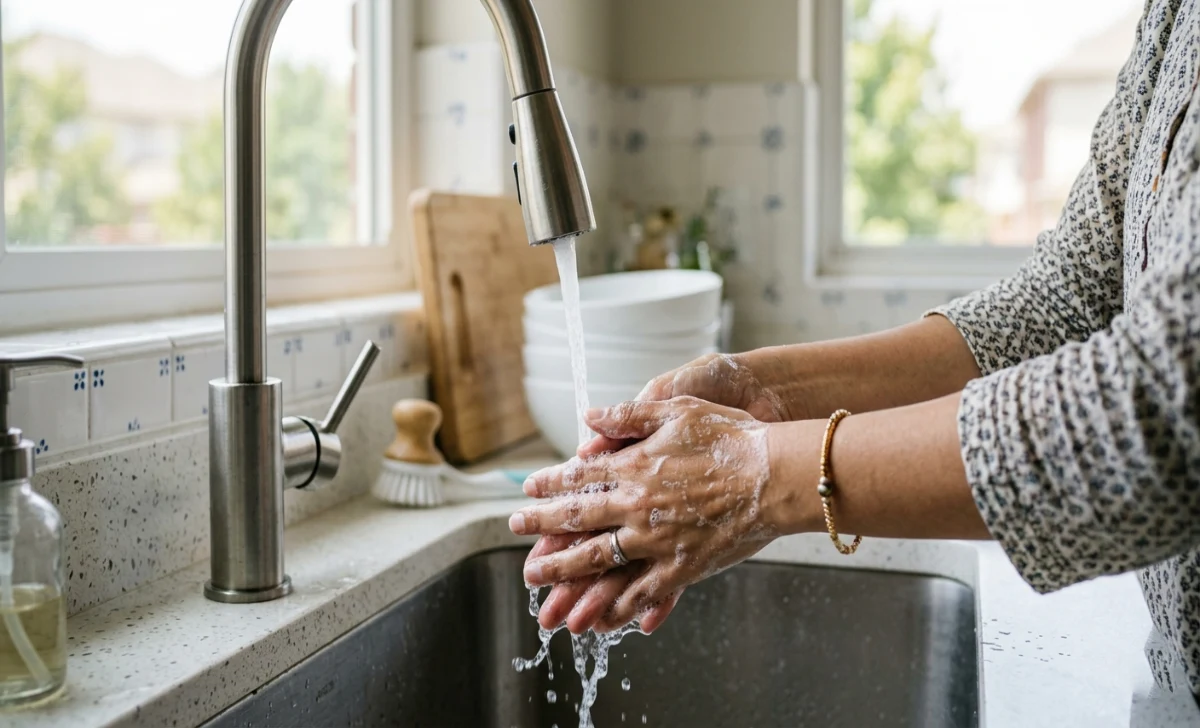
Step 4: Clean up after handling it. Wash your hands with soap for at least 20 seconds. Wipe down any surfaces, plates, or containers that the cake may have touched—especially cutting boards or cake stands. A diluted bleach solution or kitchen disinfectant spray works well here.
Step 5: Watch for symptoms. If you ate any of these cakes before learning about the recall, keep an eye on how you feel for the next week. If symptoms show up—especially in a vulnerable family member—call a doctor, mention potential Salmonella exposure, and don’t wait it out if things seem serious.
What’s the Status of the King Cheesecake Recall in 2026?
As of early 2026, the recall remains active. The FDA has not issued a formal “close out” notice confirming that the issue has been fully resolved. That means you should still treat any King Cheesecake cakes recalled under this notice as off-limits until official confirmation comes through.
If you’re a regular buyer of King Cheesecake products, bookmark the FDA’s recall search page or sign up for their email alerts. It takes about two minutes to set up and saves a lot of guesswork.
King Cheesecake products that do not contain pecans, and varieties that fall outside the six listed above, are not currently flagged as part of this recall. But when in doubt, check the label rather than assume.
How to Get Your Refund Without the Runaround
One thing that rarely makes it into food recall articles: actually getting your money back can feel like more effort than it should be. Here’s what tends to work:
- Bring the original packaging. Even without a receipt, the lot code on the box confirms the product is part of the recall.
- Go directly to customer service. Don’t try to return it at a regular checkout lane. The customer service desk has more authority to process refunds outside of normal return windows.
- Contact King Cheesecake Company directly. If the store gives you trouble, reach out to the company through their official website. Recalled product refunds are typically handled at the manufacturer level, too.
- Check whether your credit card offers purchase protection. Some cards will process a chargeback for recalled products if the retailer won’t cooperate.
I’ve been through a handful of these recall situations over the years—a jar of nut butter once, a batch of frozen meals another time—and the refund process almost always goes smoothly once you have the packaging and mention the FDA recall classification.
What to Do with Recalled Cheesecake: The Cleanup Part People Skip
Most articles stop at “throw it away.” But there’s a bit more to it, especially if the cake has been sitting on a plate, in a container, or on a shared shelf.
- Cake stand or plate: Wash with hot soapy water, then sanitise with a food-safe disinfectant.
- Cake knife or serving utensils: Same process—hot water wash plus sanitiser.
- Refrigerator shelf where it was stored: Wipe down with a damp cloth and a mild disinfectant. Salmonella can transfer to other foods through contact, so don’t skip this step.
- Any packaging or wrapping: Seal in a bag before placing in the trash to avoid spreading residue.
It sounds like a lot written out, but it takes maybe five minutes. Worth it.
The Bigger Picture: What This Recall Means for Your Grocery Habits
The King Cheesecake Company recall of 2026 isn’t a sign that the food system is broken. If anything, it’s evidence that testing and supplier accountability are working the way they’re supposed to. The contamination was caught before widespread illness occurred.
But it does serve as a useful reminder that “premium” or “artisan” labelling doesn’t come with a built-in safety guarantee. Supply chains for speciality ingredients like pecans, walnuts, and other tree nuts run through multiple facilities before they reach a bakery—and contamination risk exists at every step.
This kind of situation fits into a much bigger conversation about everyday health awareness. The small habits you build around food safety, sleep, nutrition, and stress management all connect. If you’re thinking about where to start on that front, this guide on building wellness habits for a healthier lifestyle covers practical steps that are easy to work into a normal routine without overhauling everything at once.
Going forward, a few habits are worth keeping:
- Check FDA recall updates every month or two, especially for brands you buy regularly.
- Scan packaging lot codes on any pecan-containing products you buy, not just cheesecakes.
- Keep refrigerated desserts below 40°F and don’t leave them out for more than two hours, whether or not there’s a recall going on.
None of this requires becoming obsessive about food safety. A little awareness goes a long way—and it costs nothing.
Final Thoughts
If you’ve got one of the affected cakes at home, the path forward is simple: check the label, don’t eat it, return it for a refund, and clean up any surfaces it touched. If you already ate some and feel fine, you’re most likely okay—but keep an eye on anyone in your household who might be more vulnerable.
Losing a dessert you were saving for the weekend is genuinely annoying. But compared to a week of food poisoning—or worse, a serious illness for a child or older family member—it’s a small trade. Take the five minutes. It’s worth it.
FAQs
Which exact King Cheesecake cakes were recalled and why?
Six varieties were pulled: Italian Layer Cake, Carrot Layer Cake, Tres Leches Cheesecake, Hummingbird Layer Cake, Chocolate Tres Leches Cheesecake, and Assorted Layer Cakes. The reason was pecans in the recipe that had potential Salmonella contamination traced back to the supplier.
Have any people gotten sick from these cakes?
As of current reports, no confirmed illnesses have been publicly linked to this specific recall. The recall was issued as a preventive measure based on supplier testing results.
How do I know if the cake in my fridge or freezer is affected?
Check the lot code and best-by date on the packaging—usually printed on the bottom or side panel of the container. Compare those to the specific numbers listed in the FDA’s official recall notice. If you can’t find that information, contact the store or King Cheesecake Company directly.
What should I do if I have already eaten one of the recalled cakes?
If you feel fine and aren’t in a high-risk group, monitor yourself for symptoms over the next week. If you’re pregnant, elderly, very young, or immunocompromised—or if you develop symptoms like fever, diarrhoea, or stomach cramps—call a doctor and mention the potential Salmonella exposure. Don’t wait it out if symptoms seem severe.
Will I get a full refund?
Yes. Most retailers will issue a full refund for recalled products, with or without a receipt. Bring the packaging. If the store is uncooperative, contact King Cheesecake Company directly or check the FDA recall page for consumer guidance.
Is the recall still active in 2026?
Yes. As of early 2026, the recall has not been formally closed out. Avoid the affected products until the FDA or the company issues an official resolution notice.
Disclaimer: This article is for informational purposes only and is not a substitute for medical advice. If you or a family member develops symptoms after eating a recalled product, contact a healthcare professional. For the most current recall information, always refer to the FDA’s official website.