If you’ve come across the word calamariere lately and scratched your head a little, you’re in good company. It shows up in food conversations, recipe threads, and lifestyle posts—but rarely with a clear explanation attached.
Here’s the simple version: calamariere is a more thoughtful, intentional way of preparing and presenting calamari. It’s not a brand-new dish or some complicated technique borrowed from a Michelin-starred kitchen. It’s really about paying closer attention to how you handle squid, from the moment you clean it to how you set it on the plate.
In other words, it takes something familiar and treats it with a bit more care. And honestly? The difference it makes is noticeable.
Whether you love seafood, like experimenting on weekends, or just want your meals to feel a little more satisfying, this guide covers everything you need—without the fluff.
What Makes Calamariere Different from Regular Calamari?
At its core, calamariere isn’t about changing calamari. It’s about doing it better.
The shift is subtle but real. Instead of tossing squid in a generic batter and calling it a day, calamariere focuses on four things:
- Quality ingredients — not fancy, just fresh and chosen with intention
- Presentation that actually looks good — because how food looks changes how it tastes
- Balanced seasoning — enough to enhance, not enough to hide the seafood
- Techniques that respect the texture — so you’re not chewing rubber
Think of it this way: regular calamari is a side thought. Calamariere is the same ingredient that deserves the spotlight.
If you’re curious about how this kind of mindful approach shows up in other areas of everyday life, this breakdown of lifestyle habits covers some interesting ground worth reading alongside this.
Why People Are Getting Into Calamariere Right Now
Food culture has genuinely shifted over the past few years. It’s not just about what tastes good anymore—it’s about what looks good, feels lighter, and gives you something worth sharing.
A few reasons calamariere has picked up real momentum:
- More people are eating seafood regularly, and they want it to feel special
- Social media rewards beautiful plates—a well-presented dish gets attention
- Mediterranean flavours have moved from restaurant menus into home kitchens
- There’s a broader appetite for meals that sit above the ordinary without being complicated
A lot of us have quietly outgrown the paper-basket-of-fried-rings version. That’s fine for what it is. But when you want something with a bit more personality on the plate, calamariere fills that gap naturally.
The Different Styles Worth Knowing
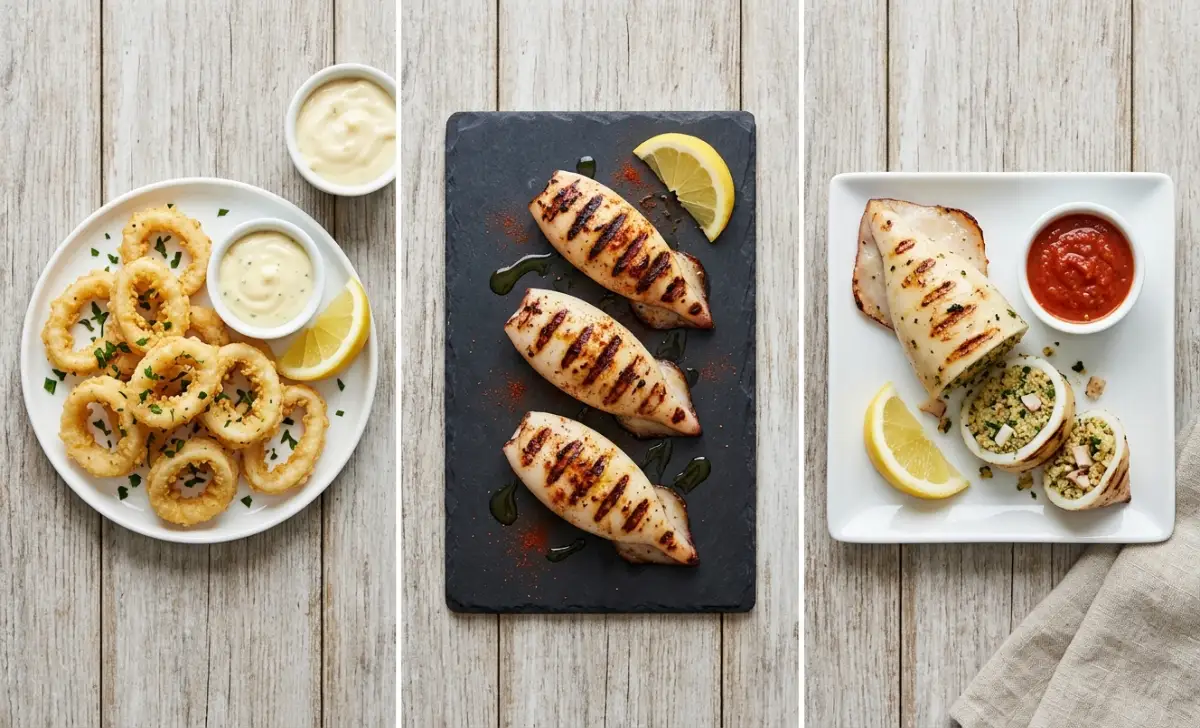
Not every calamariere dish looks the same. Let’s walk through the three main styles so you know what you’re working with.
1. Classic Fried Style
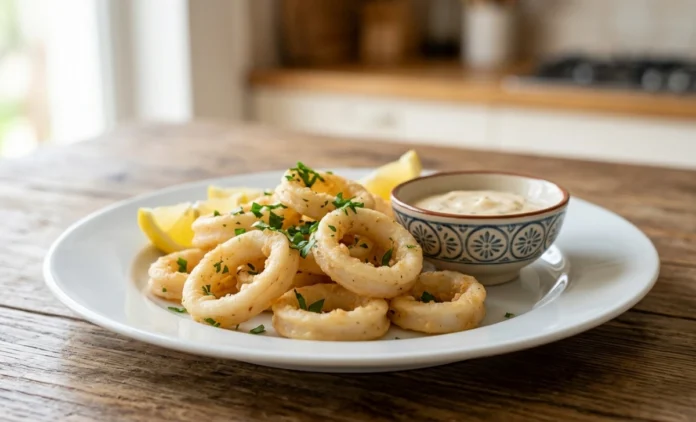
This is the one most people start with, and there’s nothing wrong with that. The goal here is a crispy exterior with a genuinely tender inside—not greasy, not overcooked. Better oil and cleaner seasoning are what separate a calamariere-style fried version from a forgettable one.
2. Grilled
Grilling brings out a quiet smokiness that fried versions can’t replicate. It’s lighter, fresher, and works especially well when you’re not in the mood for something heavy. In my experience, this is the style that converts the most sceptics.
3. Stuffed Calamari
Here, the squid tubes get filled with a mix of herbs, breadcrumbs, cheese, vegetables, or grains. It creates real complexity in every bite and works beautifully for a dinner where you want to impress without overthinking it. If you enjoy dishes with layers of flavour, you might also like exploring crocolini as another option worth adding to your seafood rotation.
Quick style comparison:
| Style | Texture | Flavor Profile | Best For |
|---|---|---|---|
| Fried | Crispy | Rich and savory | Casual dinners |
| Grilled | Tender | Smoky and light | Everyday healthy meals |
| Stuffed | Soft, layered | Complex and aromatic | Special occasions |
How to Prepare Calamariere at Home
You don’t need a professional setup for this. The basics are what matter most.
What You’ll Need
- Fresh calamari (or frozen, properly thawed overnight in the fridge)
- Good olive oil
- Garlic and fresh herbs
- Lemon juice or zest
- Salt, pepper, and a pinch of chilli if you like a little heat
Step-by-Step Process
Let’s understand this step by step—it’s more straightforward than it sounds.
- Clean the calamari thoroughly. Remove the membrane and any innards. Skipping this step is the fastest way to end up with chewy, unpleasant results.
- Choose your method based on the occasion and your mood.
- Season lightly. Calamari has a mild natural sweetness. Don’t cover it.
- Cook it either fast or slow—never in the middle. High heat for a quick fry or grill, or low and slow in a braising sauce. Anything between those two approaches tends to turn it rubbery.
- Plate with a little thought. Even just a few herbs and a lemon wedge make a real difference.
Pro tip: The cook-it-fast-or-slow rule is the one most people learn the hard way. Keep it in mind, and you’ll avoid the most common mistake.
Key Techniques That Define Calamariere
Precision in Timing
There are no shortcuts here. A minute too long changes everything. Timing matters far more than the tools you’re using.
Plating and Presentation
Keep it clean. A little negative space, a pop of colour from fresh herbs, and minimal clutter on the plate. You don’t need to be a chef—just be intentional.
Flavor Pairing
Citrus, fresh herbs, light dipping sauces, or a gentle heat from chilli all work naturally with calamari’s mild profile. Don’t overcrowd the flavours.
Technique breakdown at a glance:
| Technique | Purpose | Result |
|---|---|---|
| Quick frying | Lock in tenderness | Crispy outside, soft inside |
| Grilling | Bring out natural flavour | Smoky, fresh taste |
| Herb infusion | Build aroma | More layered experience |
| Thoughtful plating | Visual appeal | Restaurant-level presentation |
If you enjoy learning technique-based approaches across different categories, Duaction covers some interesting skill-building ideas worth exploring.
Honest Pros and Cons
What works well:
- Turns an ordinary seafood dish into something memorable
- Works across casual weeknights and more formal settings
- Beautiful on the table when done right
- Encourages better ingredient choices naturally
What to keep in mind:
- Timing and technique do require some attention—there’s less room for error than with slower-cooked dishes
- Fresh calamari can be harder to source or pricier, depending on where you live
- One overcooking mistake shows immediately
Knowing these going in makes the learning curve much shorter.
Common Mistakes to Avoid
Even confident cooks trip up on calamari sometimes. Here’s what to watch for:
- Overcooking—the single biggest culprit for rubbery results
- Using poorly thawed frozen squid—it needs time in the fridge, not a quick rinse under warm water
- Over-seasoning—the delicate flavour disappears fast when you pile on too much
- Ignoring presentation—how it looks genuinely affects how much you enjoy eating it
- Incomplete cleaning—any membrane left behind affects both texture and taste
Catching one or two of these early makes a noticeable difference right away.
Best Practices for Getting It Right
Follow these, and you’ll be in good shape from the start:
- Always start with the freshest calamari available, or thaw frozen squid slowly overnight
- Keep cooking times short when frying or grilling
- Use simple, high-quality ingredients rather than long, complicated lists
- Give plating a few seconds of thought—even a scatter of parsley helps
- Taste as you go and adjust seasonings gradually
| Practice | Why It Matters |
|---|---|
| Use fresh ingredients | Better natural taste and texture |
| Control cooking time | Avoids rubbery results |
| Keep it simple | Let the calamari shine |
| Plate with care | Makes the meal more enjoyable |
Practical Examples to Try
Example 1: Easy Home Dinner Upgrade Take a simple fried version and finish it with fresh lemon zest, chopped parsley, and a chilli-lime dipping sauce on the side. Ten minutes of extra effort, noticeably better result.
Example 2: Healthy Weeknight Meal Grill calamari strips, toss with roasted vegetables and a drizzle of olive oil, and serve over quinoa. Light, filling, and genuinely satisfying.
Example 3: Dinner Party Option Stuff squid tubes with a mix of breadcrumbs, garlic, herbs, and a little cheese. Bake or braise gently, then serve with a light tomato or herb sauce. It looks like you spent hours. You didn’t.
How Calamariere Fits Into Modern Cooking
Right now, a lot of us want meals that look good, feel nourishing, and leave a little room for creativity—without turning the kitchen into a production. Calamariere sits comfortably in that space.
It works for a solo weeknight dinner just as well as a small gathering. It supports lighter eating without feeling like a compromise. And it translates well to photos if you’re someone who likes sharing food online.
The appeal is really in the simplicity of the idea: take something ordinary, treat it with a bit more care, and it becomes something worth remembering.
Wrapping Up
Calamariere isn’t a complicated new concept. It’s really just a more mindful way of handling something you’ve probably already cooked or ordered before. When you start with fresh ingredients, pay attention to timing, and give the plate a moment of thought—even a simple squid dish can become something genuinely satisfying.
Start with one style. Try it a few times. The techniques stick quickly, and once they do, it changes how you approach other seafood dishes, too.
FAQs
What does calamariere mean?
It describes a thoughtful, quality-focused approach to preparing and presenting calamari—with attention to technique, seasoning balance, and visual presentation.
Is calamariere difficult to prepare at home?
Not really. It rewards attention to detail more than advanced cooking skills. Once you get the timing right, it comes together naturally.
What’s the best cooking method for calamariere?
Quick frying and grilling are the most popular because both highlight texture and flavour without much complication.
Can beginners try calamariere?
Absolutely. Start with a simple grilled or lightly fried version and build from there. The core principles are easy to pick up.
What makes calamariere different from regular calamari?
The difference is in the care—better technique, more balanced seasoning, and a moment of thought about how it looks on the plate. It’s the same ingredient, handled with more intention.