
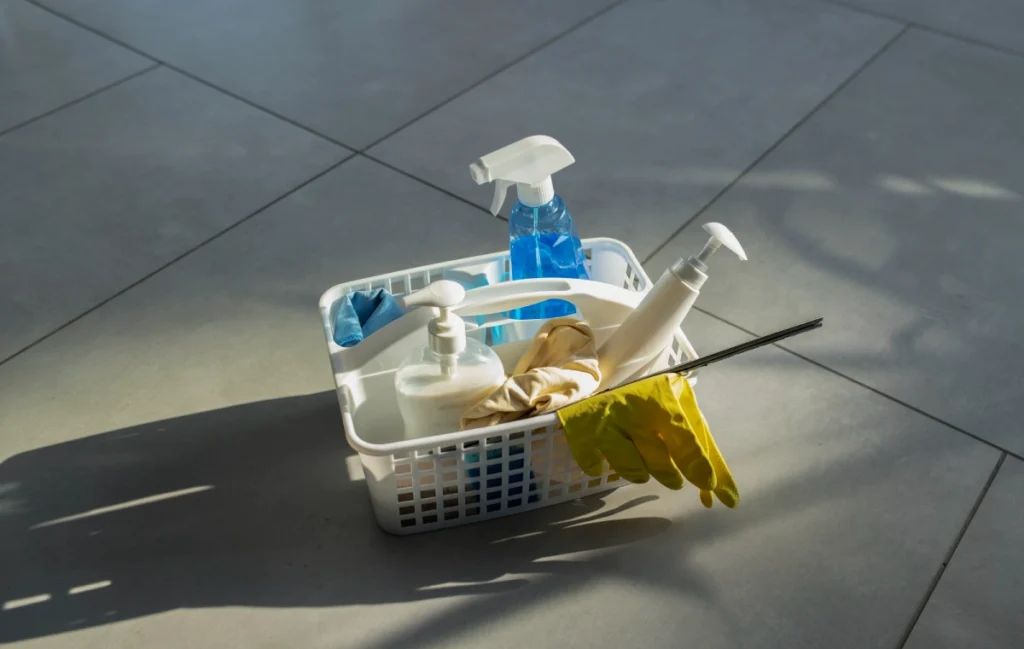
If you’ve ever finished mopping and been hit by a wave of bleach fumes or stinging ammonia, you already know the problem. Chemical floor cleaners work — but they come with a cost: tight lungs, irritated eyes, and a home that smells like a hospital corridor for hours.
Here’s something worth knowing: lemon juice and white vinegar — two things already sitting in most kitchens — can replace those harsh bottles entirely. These natural floor cleaners cut through grease, lift grime, eliminate odors, and leave your floors genuinely clean. No fumes. No chemical residue. No expensive branded bottles.
This guide covers exactly how to use them, which floors they’re safe on, the right mixing ratios, and the mistakes that could actually damage your flooring if you’re not careful.
🌿
Key Takeaways
What you need to know before you start cleaning:
- 🍋 LEMON
Lemon juice contains citric acid that dissolves grease, mineral deposits, and soap scum on tile and sealed floors.
- 🧴 VINEGAR
White vinegar uses acetic acid to lift everyday dirt, cut odors, and leave floors streak-free.
- ✅ SAFE ON
Both are safe for ceramic tile, vinyl, and sealed laminate — but not for natural stone, unsealed wood, or waxed floors.
- ⚠️ WARNING
Never mix vinegar or lemon with bleach-based products — this creates toxic chlorine gas.
- 💡 PRO TIP
Consistent dry sweeping + weekly damp mopping delivers better long-term results than occasional deep chemical cleaning.
Why Switch to Natural Floor Cleaners?
Most people switch for one of three reasons: health concerns, flooring damage, or simple cost. Often, all three at once.
The Hidden Health Cost of Chemical Cleaners
Household cleaning products are now one of the leading sources of indoor air pollution, particularly in modern homes with limited ventilation. Bleach irritates the respiratory tract. Ammonia aggravates asthma. Synthetic fragrances in commercial cleaners release volatile organic compounds (VOCs) that linger in the air long after the floor dries.
For families with children, pets, elderly members, or anyone with asthma or chemical sensitivities, this repeated low-level exposure adds up. Switching even part of your routine to diluted lemon or vinegar solutions meaningfully reduces that burden.
What Harsh Cleaners Do to Modern Flooring
Today’s homes rarely have just one floor type. A single house might combine ceramic tile in the kitchen, sealed hardwood in the living room, vinyl planks in the bathroom, and laminate in the bedrooms. One aggressive cleaner applied across all of them strips sealant, fades grout color, and causes premature wear.
Eco-friendly floor cleaners — properly diluted — clean effectively without attacking finishes. Your floors last longer and look better with less effort.
The Cost Difference Is Significant
A 5-liter bottle of white vinegar costs less than most single-use floor cleaners. Lemons cost almost nothing. One purchase handles weeks of mopping, multiple surfaces, and several other household jobs simultaneously. This isn’t a minor saving — over a year, the difference is substantial.
How Lemon Juice Works as a Natural Floor Cleaner
Lemon juice contains citric acid, a mild organic acid that breaks the molecular bond between dirt and your floor surface. It dissolves mineral deposits, soap scum, and greasy kitchen films — the kind of buildup that makes tile look permanently dull even after mopping.
The natural fragrance works simultaneously: it neutralizes cooking smells and damp odors that linger in poorly ventilated rooms. Unlike bleach, lemon water won’t discolor tile grout, damage fabrics that accidentally get wet, or harm your wastewater system.
Lemon Floor Cleaner Recipe (Step-by-Step)
What you need:
- Warm water (4–5 liters)
- 1 medium lemon (or 3–4 tablespoons of bottled lemon juice)
- 1 teaspoon of mild liquid dish soap (optional, for greasy floors)
- A bucket and well-wrung mop
How to do it:
- Fill your bucket with 4–5 liters of warm water.
- Squeeze in the lemon juice. Add dish soap if the floor feels greasy.
- Stir gently and dip your mop.
- Wring the mop thoroughly — it should be damp, never soaking wet.
- Mop in small sections, working backward toward the door.
- Allow the floor to air dry. Open windows if possible.
| Bucket Size | Water | Lemon Juice |
|---|---|---|
| Small | 2–3 L | ½ lemon |
| Standard | 4–5 L | 1 lemon |
| Large | 8–10 L | 2 lemons |
For stubborn stains: Apply undiluted lemon juice directly to a cloth. Dab the spot and let it sit for one minute. Rinse with plain water so the acid doesn’t linger.
Which Floors Are Safe for Lemon Juice?
✅ Ceramic tile
✅ Glazed porcelain
✅ Sealed vinyl
✅ Linoleum
❌ Natural stone (marble, travertine, limestone — acid etches the surface)
❌ Unsealed hardwood (moisture causes swelling and staining)
❌ Waxed floors (acid strips the protective coating over time)
How White Vinegar Works as a Natural Floor Cleaner
White vinegar is made from fermented alcohol and contains acetic acid. It softens mineral deposits, cuts through grease, and neutralizes odors from pets, damp shoes, and general household use.
It’s the most versatile natural floor cleaner available. On ceramic tiles, vinyl planks, and sealed laminates, a diluted vinegar solution lifts everyday dirt without leaving sticky residue — something many commercial cleaners actually cause.
Vinegar Floor Cleaner Recipe (Step-by-Step)
What you need:
- Warm water (4–5 liters)
- ½ cup of white vinegar
- Optional: a few drops of lavender or eucalyptus essential oil
How to do it:
- Pour ½ cup of white vinegar into 4–5 liters of warm water.
- Stir. Add a few drops of essential oil if you want a pleasant scent.
- Mop with a well-wrung mop, working in sections.
- Let it air dry — the vinegar smell fades completely within 30–60 minutes.
No rinsing needed for standard use on tile and vinyl.
Which Floors Are Safe for Vinegar?
✅ Ceramic tile
✅ Vinyl plank
✅ Sealed laminate
✅ Linoleum
❌ Natural stone (acetic acid etches marble and limestone)
❌ Unsealed or oiled hardwood (damages the finish over time)
❌ Waxed surfaces (strips protective wax coating)
Note on the smell: The vinegar scent during mopping is noticeable but temporary. It disappears as the floor dries — typically within an hour. Adding a slice of lemon or a few drops of essential oil masks it during cleaning.
Other Natural Ingredients That Boost Your Cleaning Routine
Lemon and vinegar handle most jobs, but a few other pantry staples earn a place in your routine.
Baking soda works well for scrubbing stubborn stains and removing bad odors from tile and vinyl. Use half a cup per gallon of water. Rinse thoroughly afterward to remove residue. Skip it on hardwood or waxed surfaces.
Rubbing alcohol is a powerful germicide that kills bacteria, viruses, mold, and fungus while cutting through dirt. Use 1 cup per gallon of water on laminate, hardwood, sealed tile, and luxury vinyl. No rinsing needed — letting it dry makes it more effective.
Borax tackles deep stains, deodorizes effectively, and inhibits mold growth. Use only ⅛ cup per gallon on tile, concrete, sealed stone, and vinyl. Always rinse well — borax leaves residue if it dries on the surface.
Dish soap is straightforward and reliable — 5 to 10 drops per gallon on most surfaces. It penetrates dirt gently without causing damage. Always follow with a plain water rinse to remove soap residue.
Essential oils (lavender, eucalyptus, peppermint) make the mopping experience genuinely pleasant. A few drops per bucket is all you need. No rinsing required. Use with caution around pets and young babies — some oils irritate sensitive noses.
Building a Weekly Natural Cleaning Routine
One good mopping session doesn’t maintain clean floors. Consistent habits do.
Fine grit and dust act like sandpaper under your shoes, creating micro-scratches that dull your floor’s finish over time. Combining dry and wet cleaning protects both cleanliness and appearance simultaneously.
Suggested weekly rhythm:
- Daily or every other day: Vacuum or sweep high-traffic zones (hallways, kitchen, entryway). This removes grit before it scratches.
- Two to three times per week: Damp mop with lemon or vinegar solution. Adjust frequency for larger households or pets.
- Immediately after spills: Blot with a cloth and a small amount of your solution. Don’t let spills sit — they stain and attract more grime.
This routine prevents the kind of heavy buildup that drives people toward harsh chemical treatments.
Expert Tips for Getting the Best Results
- Always wring the mop thoroughly. Excess water is the number one cause of warped laminate and swollen hardwood. Your mop should be damp — not dripping.
- Change your bucket water often. Mopping with dirty water redistributes grime rather than removing it. Refresh every few sections on large floors.
- Work backward from the far wall toward the door. This prevents walking on freshly cleaned sections.
- Ventilate the room. Even gentle natural cleaners benefit from airflow. Open windows and run a fan while floors dry.
- Test any new solution in a hidden corner first. Different sealants and finishes react differently. A small test takes 60 seconds and can prevent permanent damage.
- Use warm water, not hot. Very hot water can loosen adhesive on vinyl plank flooring over time.
Common Mistakes to Avoid
Mixing vinegar or lemon with bleach. This creates chlorine gas — genuinely dangerous in enclosed spaces. If you use bleach elsewhere in your cleaning routine, never combine it with acid-based solutions. Keep them completely separate.
Using vinegar on natural stone. Marble, travertine, and limestone are calcium-based. Acid dissolves them slowly, leaving dull etching that can’t be polished out without professional help.
Using too much liquid on wood floors. Even diluted solutions cause damage when applied too generously. A damp mop — not a wet one — is the rule for any wood or laminate surface.
Skipping the dry sweep. Mopping over loose grit grinds it into the surface. Always sweep or vacuum first.
Assuming natural means safe for every surface. Lemon and vinegar are gentle compared to bleach, but they’re still acids. Understand your flooring type before committing to a regular routine.
