
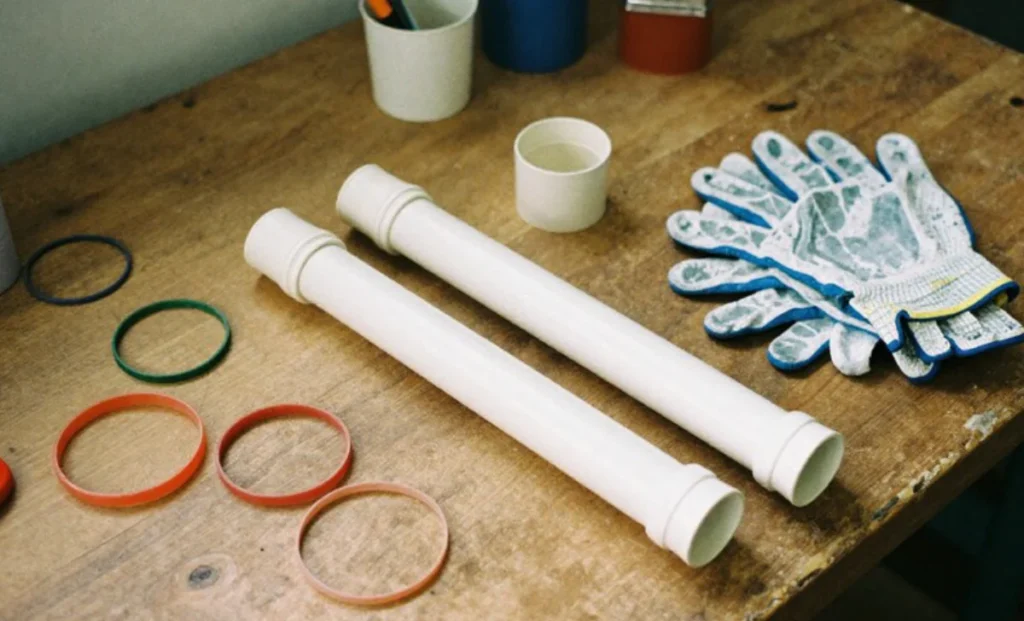
You’ve seen the lists. Hundreds of clever tricks promising to transform your home with rubber bands, PVC pipe, and pure ingenuity. Some actually deliver. Others create more problems than they solve.
The reality is that home improvement hacks fall into three categories: genuinely useful solutions, temporary fixes that buy you time, and ideas that sound better than they work. This guide separates them based on what professionals observe in real homes, not what looks good in a photo.
You’ll learn which hacks deliver lasting value, which ones work only in specific situations, and when you’re better off doing things the conventional way. No invented statistics or guaranteed results. Just practical guidance based on how these solutions perform over time.
Storage Solutions That Keep Working
Turn PVC Pipe Into Custom Organizers
PVC pipe works well for storing items that need separation without fancy cabinetry. Cut 1.5-inch to 3-inch diameter pipes at 45-degree angles and mount them to boards for paintbrush holders, tool storage, or craft supplies. The material costs around $5 to $15 for basic projects.
This approach makes sense when you need quick organization in garages, workshops, or utility areas. It’s less appropriate for visible living spaces where aesthetics matter more.
Build Vertical Storage With Pegboard Systems
Pegboard remains one of the most adaptable storage solutions because you can reconfigure it without new holes or permanent changes. This matters for renters and homeowners who anticipate changing needs.
The limitation is the weight capacity. Pegboard works for hand tools, craft supplies, and lightweight kitchen items. It struggles with heavier equipment or anything requiring serious structural support. Check load ratings before hanging anything substantial.
Use Bungee Cord Arrays for Sports Equipment
Stretching bungee cords between mounted points creates flexible storage for balls, pool toys, and similarly shaped items. The elastic tension keeps everything contained while allowing easy access to items at the bottom.
This hack works best in garages or utility areas where appearance isn’t the priority. The cords will eventually lose elasticity and need replacement, typically within two to three years of regular use.
Tool Modifications Worth Considering
Rubber Band Grip Enhancements
Wrapping rubber bands around plier handles or using them to wedge bolts in sockets costs nothing and solves immediate problems. These modifications work for occasional use but wear out quickly with frequent application.
For regular use, purpose-built tools perform better and last longer. Consider rubber band solutions as stopgaps, not permanent replacements for appropriate equipment.
Garden Rake Squeegee Conversion
Attaching pipe insulation to a garden rake with cable ties creates a functional squeegee for garage floors or large flat surfaces. The total cost runs under $10, and the setup takes about five minutes.
The converted tool works adequately for water removal after washing vehicles or managing minor flooding. It won’t match the performance of a dedicated squeegee for window cleaning or precision work.
Flashlight and Pliers Hands-Free Light
Clamping a flashlight in plier jaws and securing it with a rubber band creates a makeshift hands-free light. This solution helps in emergencies or when you forget to bring proper work lights.
For regular projects, invest in headlamps or magnetic work lights. They provide better illumination and don’t tie up tools you might need.
When Quick Fixes Make Sense
Expanding Foam Garage Floor Dams
Laying a line of expanding foam near garage door thresholds blocks water from melting snow or rain. The foam adheres to concrete, creates a waterproof barrier, and removes easily when you no longer need it.
Climate matters significantly here. Expanding foam performs well in moderate temperatures but can crack or compress in extreme cold. Expect to reapply annually if you use this method in regions with harsh winters.
String Cutting for Embedded PVC Pipe
Running Mason’s line back and forth cuts through PVC pipe when you can’t access it with conventional saws. This technique proves valuable for plumbing repairs in finished walls or tight spaces.
The process takes patience. Cutting a 2-inch PVC pipe typically requires one to three minutes of continuous sawing motion. Have proper tools for the next step, since you’ll need to join or cap the cut pipe according to local plumbing codes.
Temporary Window Screen Repairs
Small tears in window screens allow insects inside, but don’t always justify replacing the entire screen. Repair patches and basic tools fix minor damage for under $15.
This approach works for small holes and tears. Widespread damage, deteriorating frames, or screens more than 15 years old typically need full replacement. The repair materials last several seasons in normal conditions.
Smart Material Repurposing
Old Sneakers as Ladder Bumpers
Taping worn sneakers to ladder tops protects siding and walls from scratches and dents. The rubber soles provide grip while cushioning contact points.
This hack costs nothing if you already have old shoes. Purpose-built ladder bumpers offer more reliable protection and last longer, but they cost $15 to $30. The sneaker method works fine for occasional use.
Cut Glove Fingers for Tool Protection
Finger sections from worn work gloves fit over chisel tips, small tool edges, and other sharp implements during transport or storage. They prevent accidental cuts and protect the tool edges from damage.
Keep a container of these cut sections in your toolbox. They’re particularly useful when moving tools between job sites or storing items in shared spaces.
Retired Garden Hose for Plier Jaw Covers
Cutting sections of old garden hose to slip over plier jaws prevents damage to finished surfaces. The rubber cushions grip while protecting chrome, polished metal, and other delicate materials.
Size the hose sections so they slide up the handles when not needed. This keeps them accessible without creating storage problems.
Organization Strategies With Staying Power
Open Shelving in High-Traffic Areas
Installing open shelves in entryways or mudrooms provides visible storage that encourages organization. Items on display tend to get put away properly more often than things hidden in closed cabinets.
This strategy works best when paired with labeled baskets or bins. The containers maintain a clean appearance while keeping similar items together. Choose materials that match your existing décor rather than creating visual clutter.
Glass-Front Cabinets for Kitchen Efficiency
Replacing solid cabinet doors with glass-front versions makes contents visible and encourages better organization. You’ll notice mess immediately and address it rather than letting clutter accumulate out of sight.
The downside is that everything shows. This approach suits people who maintain organized spaces naturally, but creates stress for households that struggle with daily tidiness.
Trolley-Based Mobile Storage
Rolling carts and trolleys work well for items you use in multiple locations. Kitchen spices, craft supplies, cleaning products, and bathroom toiletries all benefit from portable organization.
Look for trolleys with adequate weight capacity for your intended use. The wheels should lock to prevent unwanted movement. Expect to pay $30 to $100, depending on size and quality.
What Professionals Actually Recommend
Acoustic Insulation in Interior Walls
Adding rock wool or similar acoustic insulation to interior wall cavities during any project that opens those walls significantly reduces sound transmission between rooms. The material also provides fire resistance benefits.
This improvement makes sense during renovations, not as a standalone project. Opening walls just for insulation rarely justifies the cost unless you’re addressing serious noise issues.
Strategic Paint Application
Paint delivers more visual impact per dollar than almost any other home improvement. The investment ranges from $100 to $500 for an average room, depending on paint quality and whether you hire help.
The catch is preparation. Proper cleaning, patching, priming, and technique determine results more than paint brand. Skip the prep work, and even expensive paint looks mediocre.
Varied Lighting Installation
Adding floor lamps, table lamps, or targeted task lighting transforms dark corners and improves functionality. This approach costs less than rewiring for new overhead fixtures while providing flexibility.
Clean existing light fixtures and replace outdated bulbs before buying new lamps. You might solve the problem for $20 in LED bulbs rather than $200 in new lighting.
When to Hire Instead of Hack
Electrical Work Requires Proper Training
Creating new circuits, moving outlets, or installing fixtures involves building codes and safety requirements. Most jurisdictions require licensed electricians for this work, and homeowner’s insurance may not cover electrical fires from DIY installations.
Simple tasks like replacing light switches or installing new light fixtures generally fall within a homeowner’s capabilities. Anything involving the service panel or creating new circuits needs professional attention.
Plumbing Beyond Basic Repairs
Replacing faucets, fixing running toilets, or patching small leaks fit most DIY skill sets. Rerouting pipes, working with gas lines, or making connections that code requires inspecting needs licensed plumbers.
Water damage from failed DIY plumbing repairs typically costs far more than hiring professionals initially. Consider your skill level honestly before tackling plumbing projects.
Structural Modifications Need Engineering
Removing walls, cutting joists, or modifying foundations affects your home’s structural integrity. These projects require building permits, engineering calculations, and professional installation.
No hack substitutes for proper structural work. The risks include collapse, code violations that surface during home sales, and insurance claim denials for damage related to unpermitted work.
Long-Term Thinking Over Quick Wins
Home improvement hacks work best when you understand their limitations. Temporary fixes buy time until you can implement proper solutions. Clever repurposing saves money on projects where appearance and longevity matter less than function.
The key is matching the solution to your actual needs. A rubber band holding a stripped screw works fine when you’re disassembling something headed for disposal. That same approach fails when you need reliable fastening that lasts for years.
Consider your timeline, budget, and skill level honestly. Some hacks deliver genuine value. Others just delay inevitable professional intervention while potentially creating additional problems.
Choose improvements that suit your situation rather than following every clever idea you encounter. Your home benefits more from thoughtful decisions than from accumulating dozens of marginal shortcuts.
