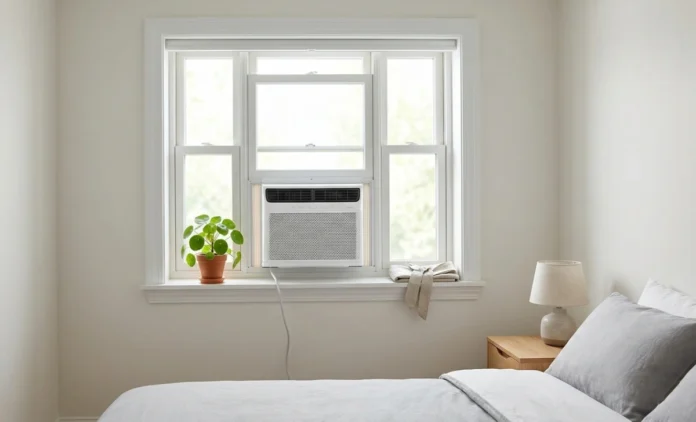
Window replacement costs range from $100 to over $1,000 per window, with the average homeowner spending around $400 per standard double-hung vinyl window. The final number depends on window type, frame material, glass features, and whether you hire a professional or go the DIY route. Full-frame replacements cost more than insert replacements, and specialty windows like bay or bow styles push the price significantly higher.
Replacing your windows is one of the few home improvements that pays back in multiple ways — lower energy bills, better curb appeal, and reduced drafts. If you plan carefully, pick the right materials, and time your project well, you can keep costs reasonable without compromising quality. This guide breaks down every cost factor so you know exactly what to expect before spending a dollar.
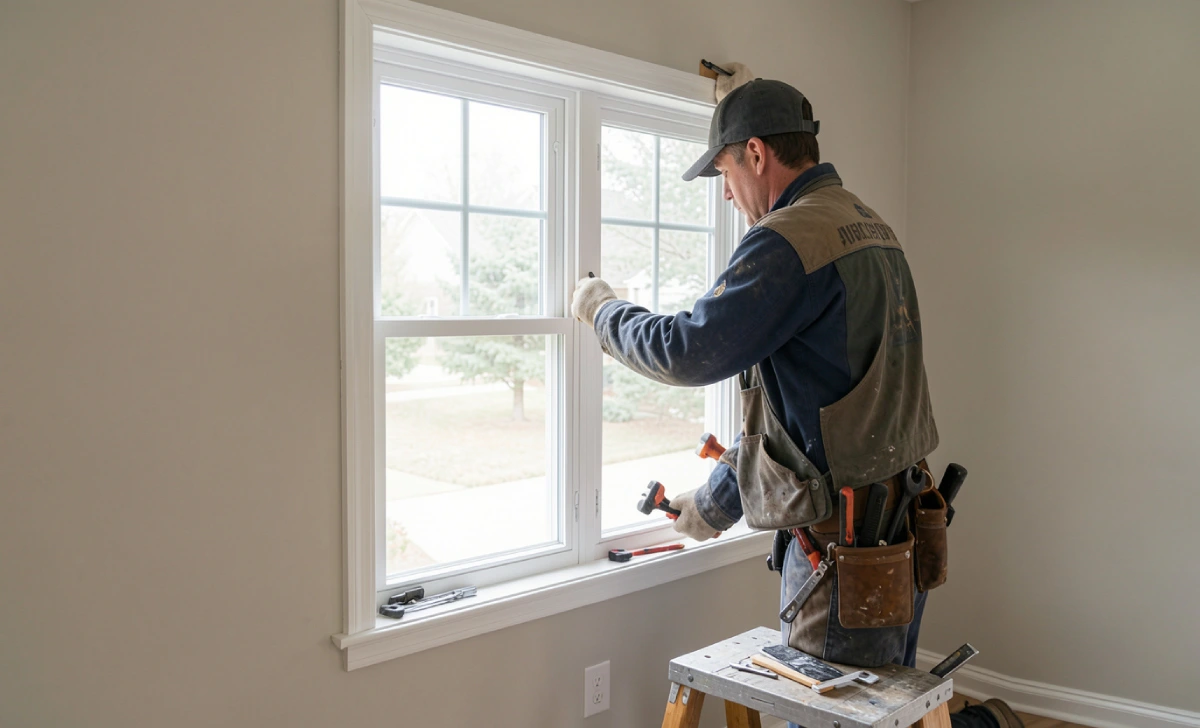
What Affects the Cost of Window Replacement
No two window replacement projects cost the same. The price swings based on several variables working together.
Window size plays a big role. A small bathroom window costs far less than a large picture window in your living room. The type of window — double-hung, casement, sliding, bay, or bow — also shifts the price. Labor adds another layer. A ground-floor window is faster and easier to install than a second-floor one, and that difference shows up in your quote.
The number of windows you replace matters too. Replacing one window as a standalone job costs more per unit than replacing eight at once. Most contractors discount larger orders, so grouping replacements together saves money overall.
Finally, your location affects labor rates. A contractor in a high-cost-of-living city charges more per hour than one in a smaller market. Always get at least three quotes before committing.
Standard Window Replacement Costs
For a standard double-hung window, expect to pay between $300 and $800 for a vinyl model. A wood or fiberglass version of the same window runs $800 to $1,500 or more. Custom sizes, unusual shapes, and added features push costs above those ranges.
If your existing window frame is in good condition, an insert replacement (where only the glass and sash are swapped) costs $100 to $500 per window. If the frame itself is damaged or rotted, a full-frame replacement is necessary, which typically costs $600 to $1,200 or more per window.
The type of glass also changes the price. Double-pane glass costs 10% to 15% more than single-pane. Triple-pane costs 20% to 30% more. Both options reduce heat transfer, which cuts your heating and cooling bills over time.
Window Types and What They Cost
Your window style directly determines your project cost. Double-hung windows are the most common and affordable, typically running $300 to $800 each. Casement windows — which crank open outward — fall in a similar range due to simpler hardware compared to sliding windows.
Bay and bow windows sit at the expensive end. A bay window can cost anywhere from $1,000 to $4,000 or more per unit due to its size and structural complexity. Picture windows, which don’t open, cost less to manufacture but can be large and require careful installation.
If you’re not sure which window type fits your home, check out this breakdown of high-impact, low-cost home improvements — it puts window upgrades in context alongside other projects that deliver real return on investment.
Frame Materials and Their Price Differences
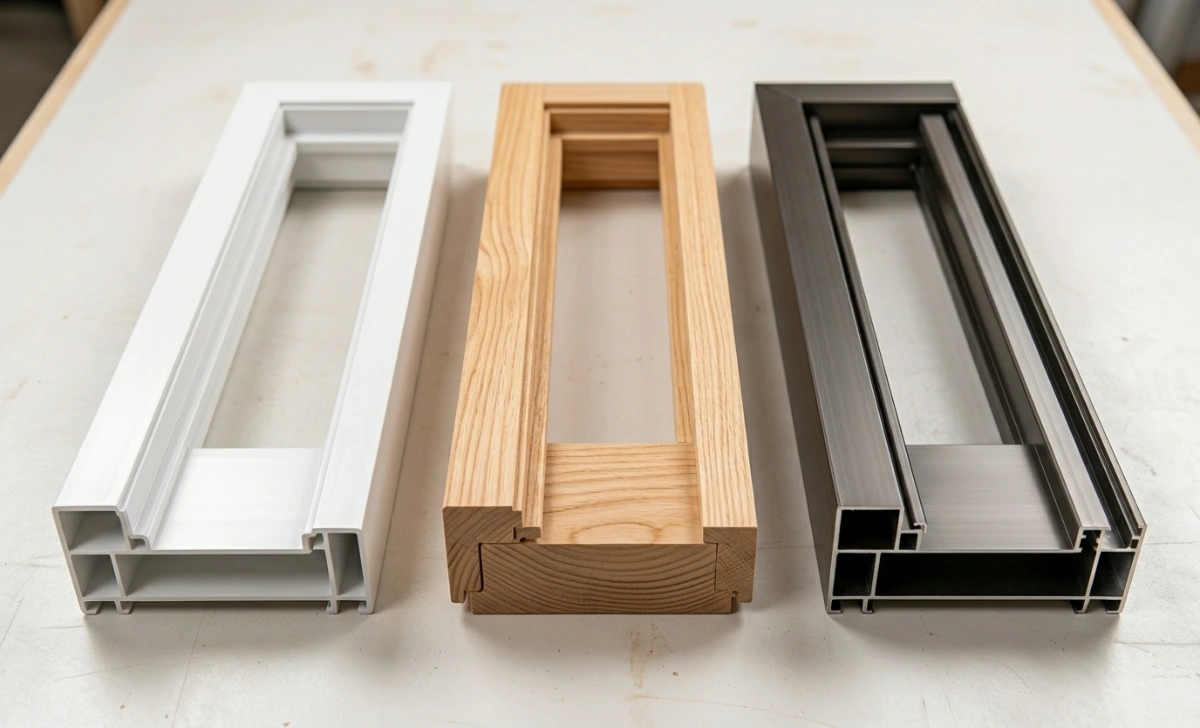
The frame material you choose affects both upfront cost and long-term maintenance.
Vinyl is the most affordable option, costing between $300 and $800 per window. Vinyl doesn’t rot, doesn’t need painting, and holds up well in most climates. Wood frames cost $800 to $1,500 per window and require regular upkeep — painting or staining every few years to prevent moisture damage. They offer a traditional look that some homeowners prefer, but the maintenance cost adds up.
Fiberglass and composite frames fall between vinyl and wood in price. They resist warping and expansion better than vinyl in extreme temperatures. Aluminum frames are durable and slim but conduct heat and cold, making them a poor choice for energy efficiency unless thermally broken.
For most homeowners, vinyl strikes the best balance between cost and performance. If budget is your primary concern, vinyl double-hung windows deliver solid value without sacrificing durability.
Energy-Efficient Windows: Worth the Extra Cost?
Energy-efficient windows cost more upfront, but they reduce what you pay in utility bills month after month. Most homeowners recoup their investment within five to fifteen years, depending on climate and home size.
Double-pane windows with low-E coatings block UV rays and slow heat transfer. Gas-filled windows — typically argon or krypton between the panes — add another layer of insulation. Triple-pane windows go further still, but their cost premium is harder to justify in mild climates.
Energy Star-rated windows meet strict efficiency standards set by the U.S. Environmental Protection Agency. Many window companies offer limited-time pricing on Energy Star models, so ask about current promotions when getting quotes.
If you’re researching which projects actually deliver on their promise, this list of home improvement hacks that work is worth reading alongside your window research — it cuts through the noise and focuses on what genuinely saves money long-term.
Professional Installation vs. DIY
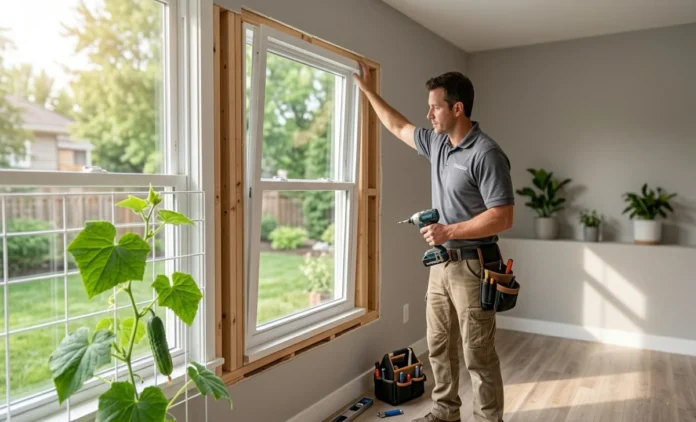
Labor typically accounts for 30% to 50% of your total project cost. For a $600 window job, $200 to $300 of that goes to installation. Hiring a professional ensures the window is sealed correctly, sits level, and meets local building codes. A poor installation leads to air leaks, water damage, and voided warranties.
DIY installation is possible for single-story homes with standard window sizes. If you’re comfortable with basic carpentry and have the right tools, you can save $150 to $300 per window on labor. That said, mistakes are costly. A window installed out of square or without proper flashing can cause moisture problems that cost more to fix than the original installation would have.
If you’re new to home improvement projects and considering the DIY route, start with this guide on home improvement hacks for beginners — it walks through what’s realistic to tackle yourself versus what’s worth outsourcing.
For multi-story homes, complex window styles, or full-frame replacements, hiring a professional is the safer call. The risk of getting it wrong outweighs the labor savings.
How to Get the Most Value Within Your Budget
Timing your project strategically cuts costs. Window companies are busiest in spring and summer. Schedule your replacement in fall or winter, and you’ll often find lower labor rates and faster availability.
Replacing all windows at once is cheaper per unit than doing them one at a time. Contractors offer volume discounts, and you avoid repeat mobilization fees. If your budget doesn’t allow for all windows at once, prioritize the ones with the worst air leakage or visible damage.
Stick to standard sizes when possible. Custom shapes and non-standard dimensions cost significantly more to manufacture and install. Mid-range brands like Milgard, Jeld-Wen, and Simonton offer solid quality at reasonable prices. Premium brands like Andersen, Pella, and Marvin are excellent but come at a premium that’s hard to justify unless you’re doing a full renovation.
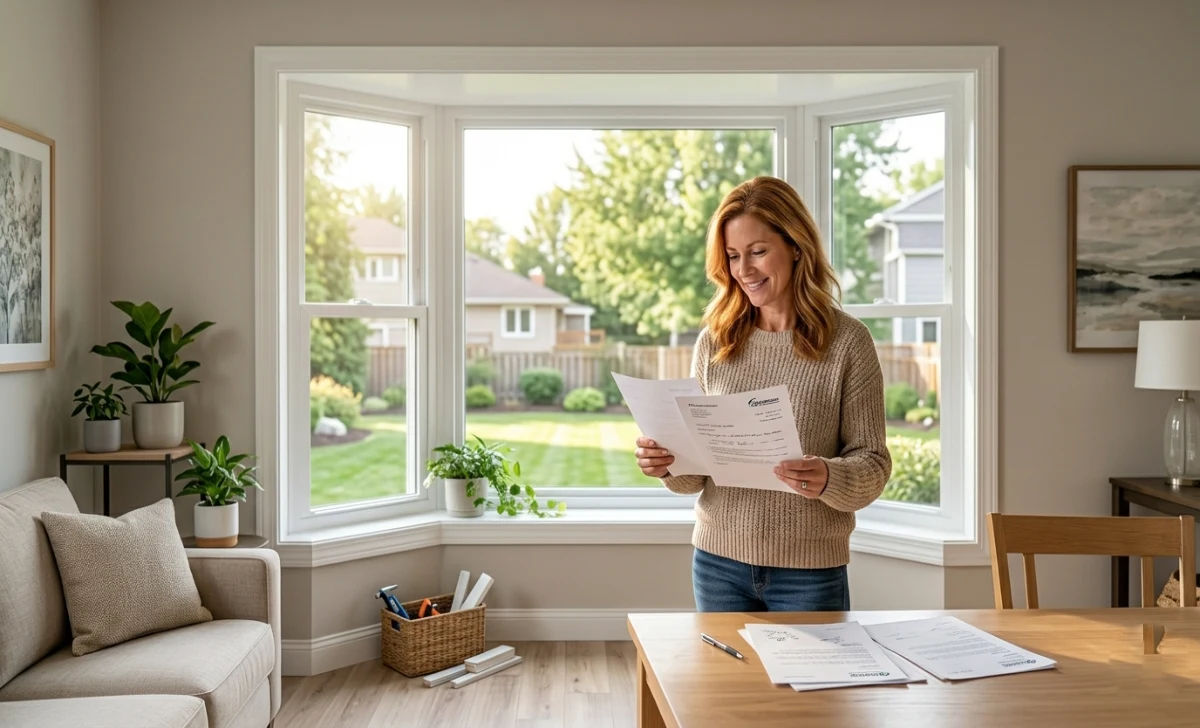
Get at least three written quotes. Ask each contractor what’s included — some quotes cover materials and labor together, while others separate them. Compare the total cost, not just the per-window price.
FAQs
Is it cheaper to replace all windows at once?
Yes. Contractors discount larger projects, and you avoid paying multiple call-out fees. Replacing all windows at once also gives your home a consistent look and uniform energy performance.
Should you replace 20-year-old windows?
Windows last between 15 and 30 years. If your windows are showing signs of fogging between panes, air leakage around the frame, or visible damage, replacement makes financial sense. Single-pane windows in that age range are almost always worth replacing for the energy savings alone.
Why is window replacement so expensive?
You’re paying for materials, skilled labor, and precise installation. Specialty windows — bay, bow, egress, custom shapes — cost more to manufacture. Energy-efficient features like low-E coatings, triple-pane glass, and gas fills add to the per-unit price. When done right, the installation itself takes several hours per window and requires experience to execute without errors.
Is replacing windows a smart investment?
For most homeowners, yes. New windows reduce drafts, lower energy bills, and increase resale value. The return varies by project, but well-chosen, professionally installed windows consistently rank among the more sensible home upgrades you can make.